





Modernist garden with slate
When garden designer Therese Andersen from Inside Out Interiör & Trädgård joined the project, the starting point was a classic modernist garden.
– The house has a very strict, geometric expression.
The site was flat, with large lawn areas and little that created spaces or variation.
– There was a lot of grass and very little happening.
Instead of reinforcing the strict expression, she chose to go in the opposite direction.
– I wanted to soften it and bring in more life and movement.

On a flat site, there are no natural level differences to work with. The sense of space therefore has to be created in other ways.
– Here, you have to use materials, plants and structures to make it work.
The solution was to divide the garden into clearly defined zones with different functions, while also placing great emphasis on good walkways and connections between the different areas.
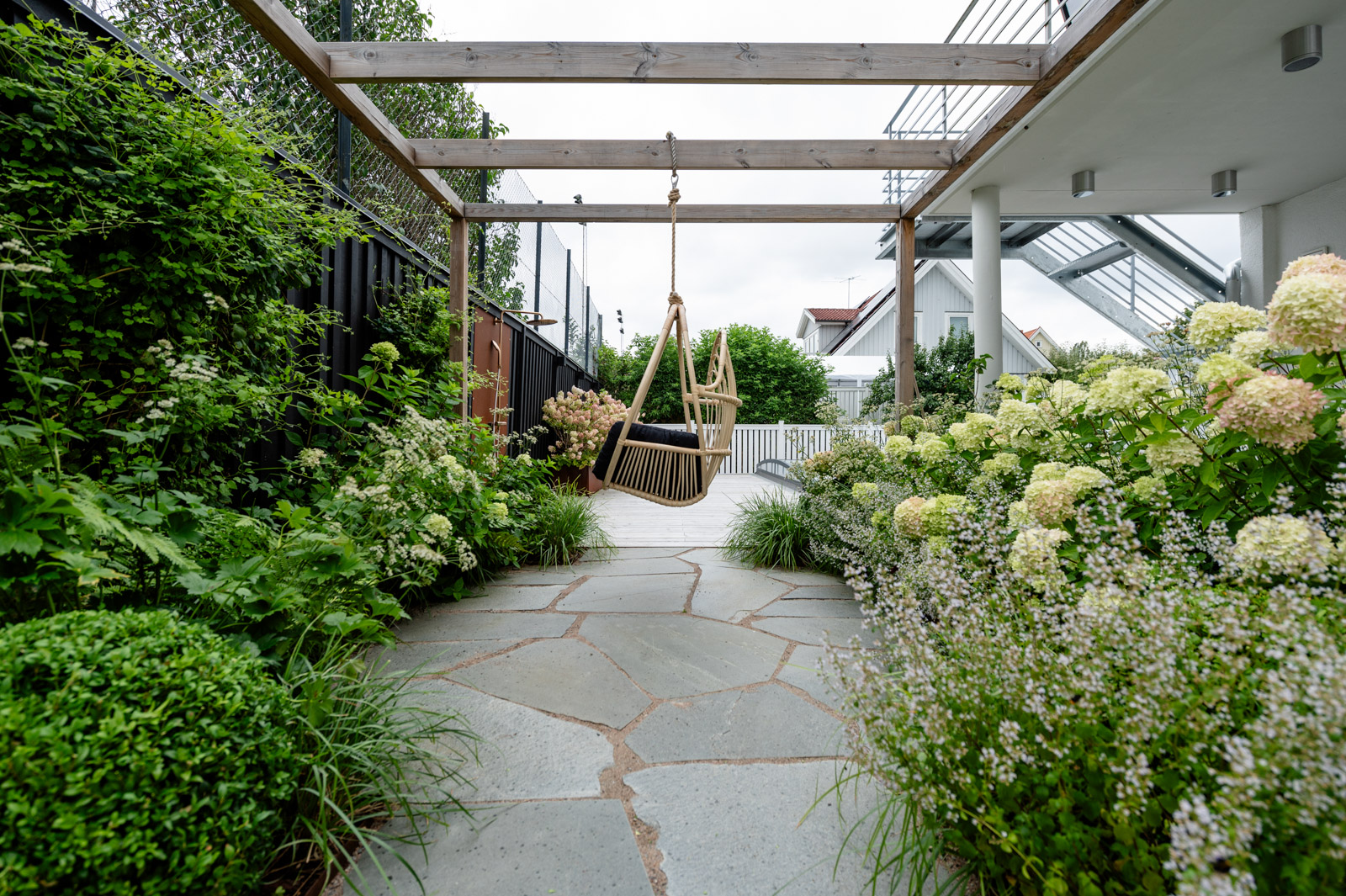
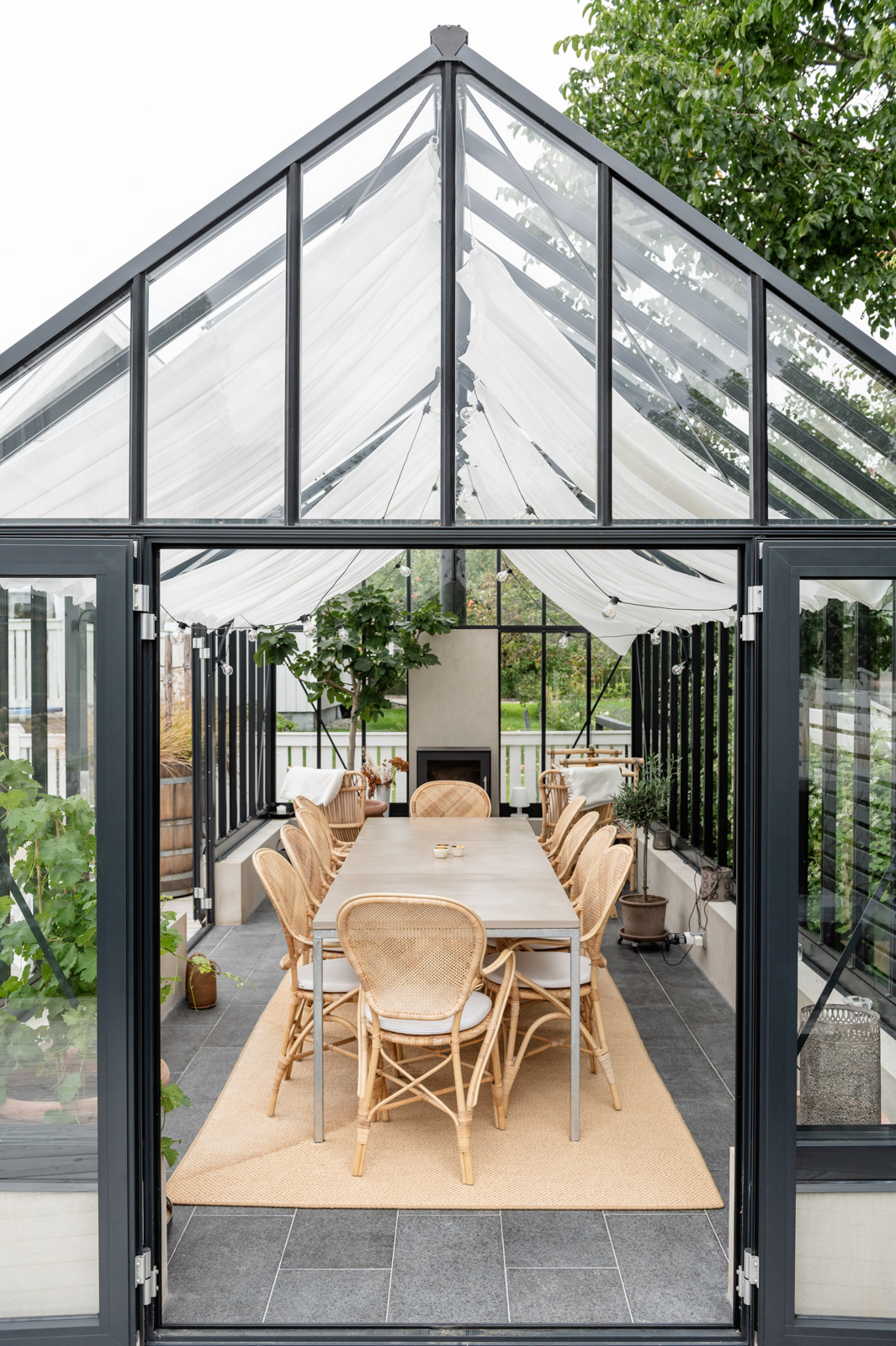
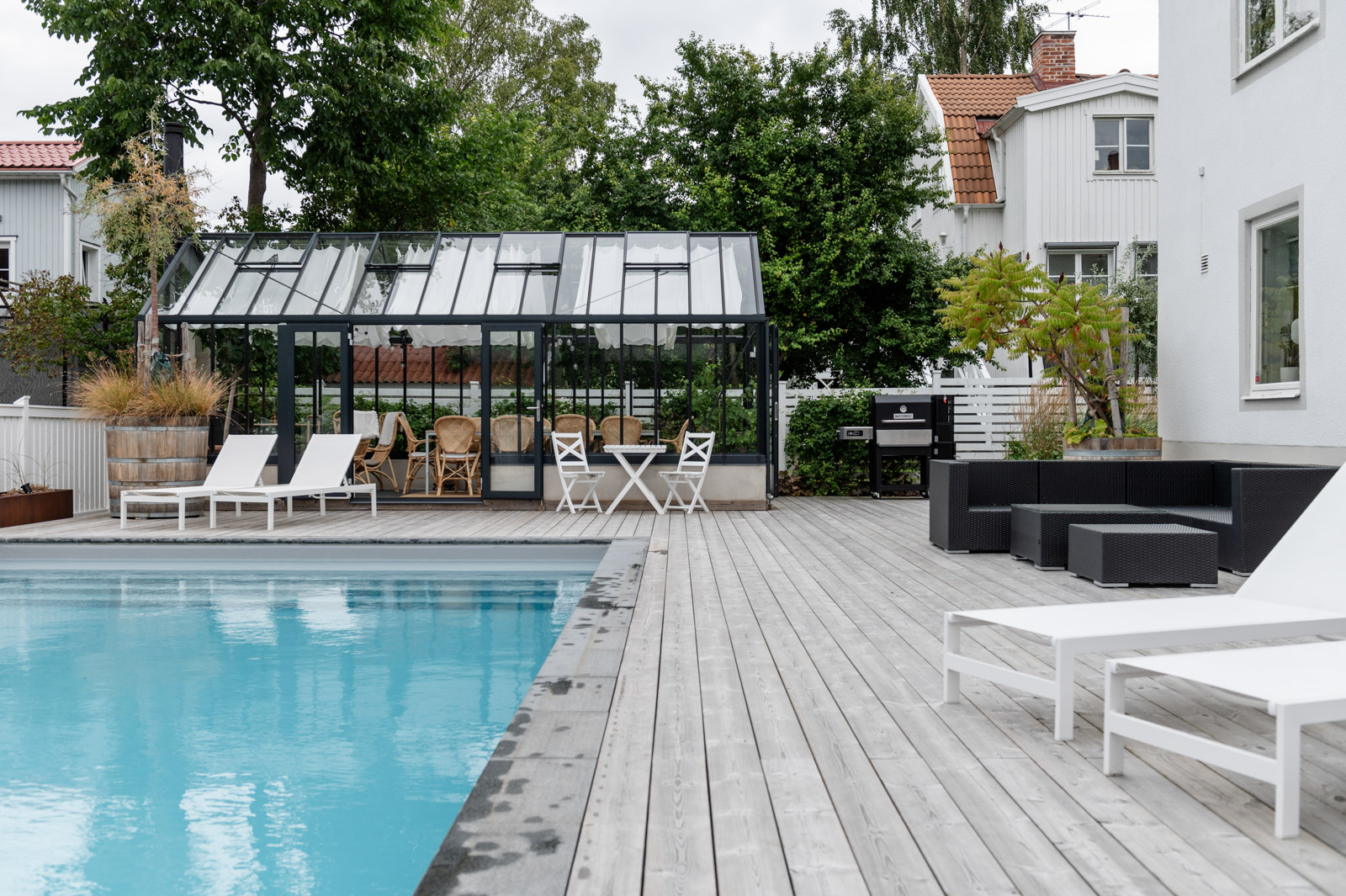
The pool, pergola, seating areas and orangery are connected so that the garden feels cohesive and easy to use.
– It has to work in everyday life, not just look good.


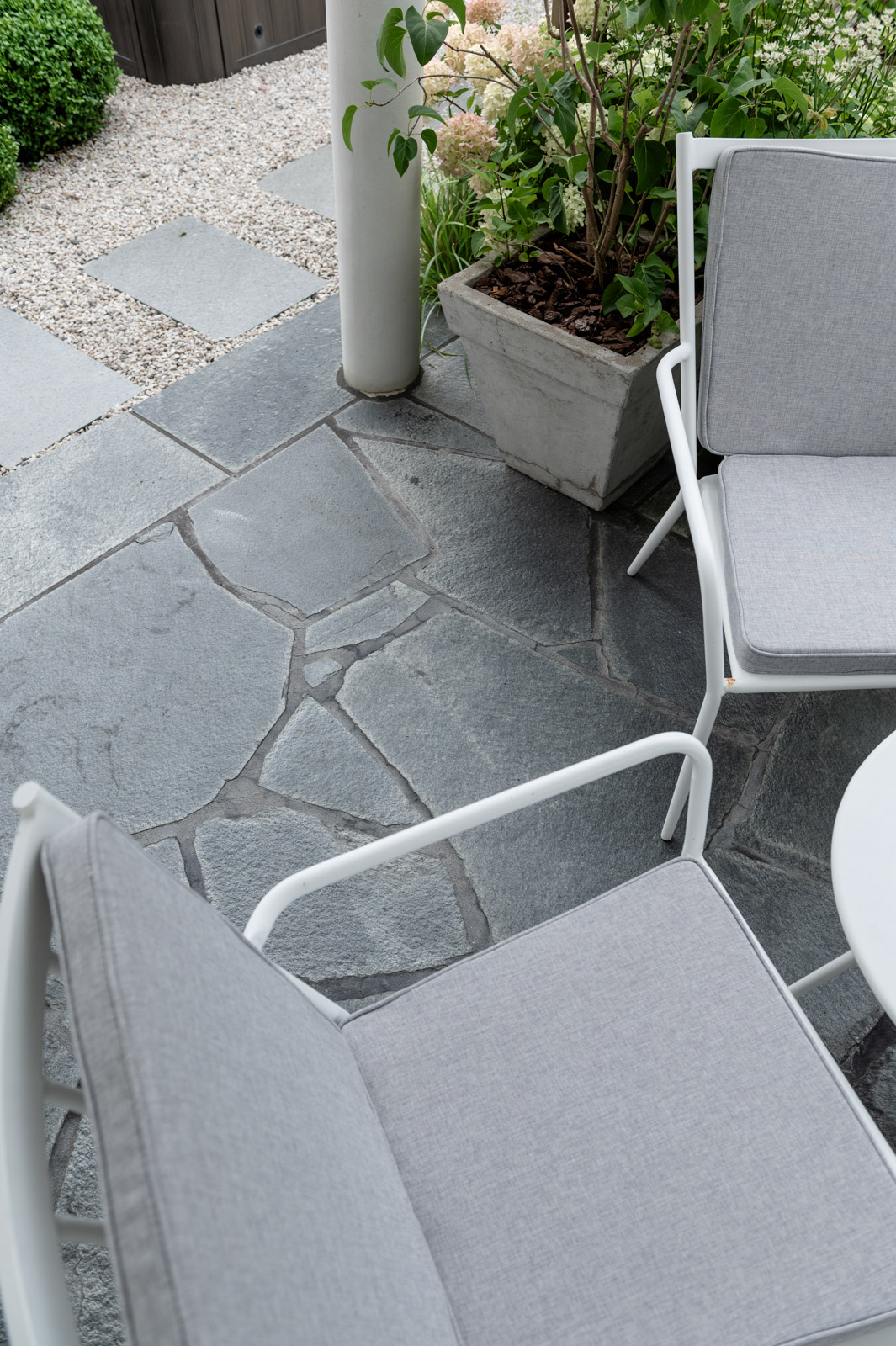
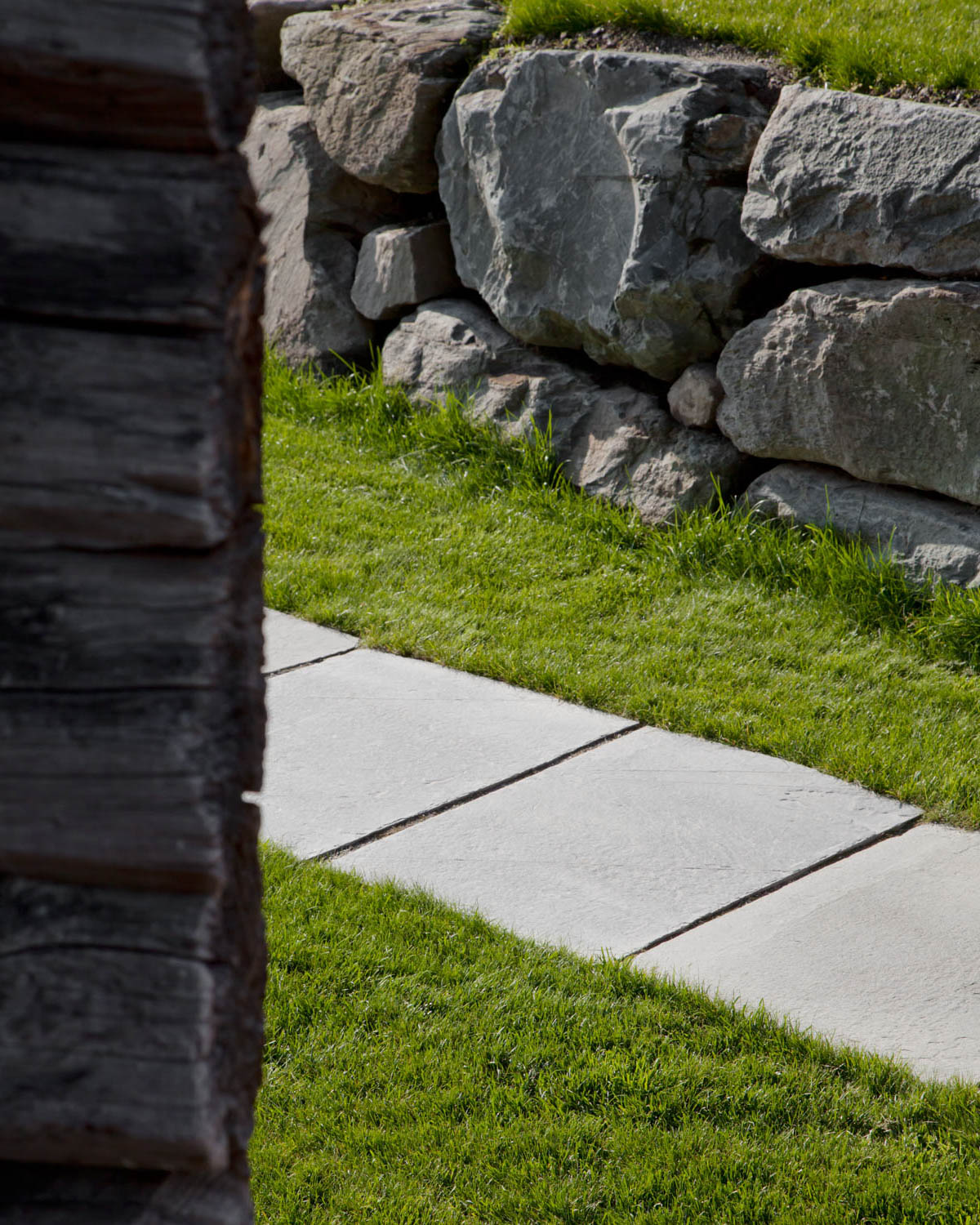
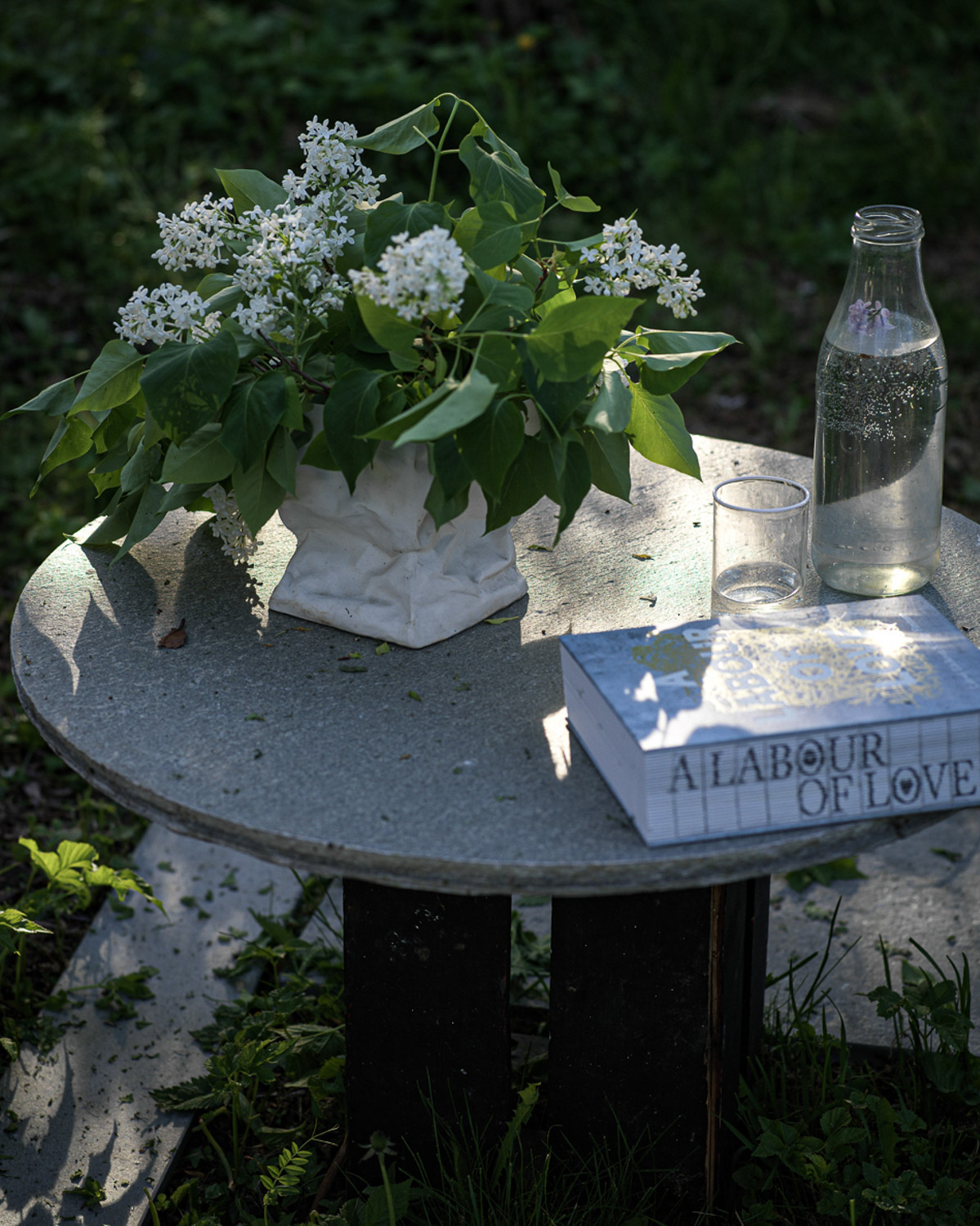
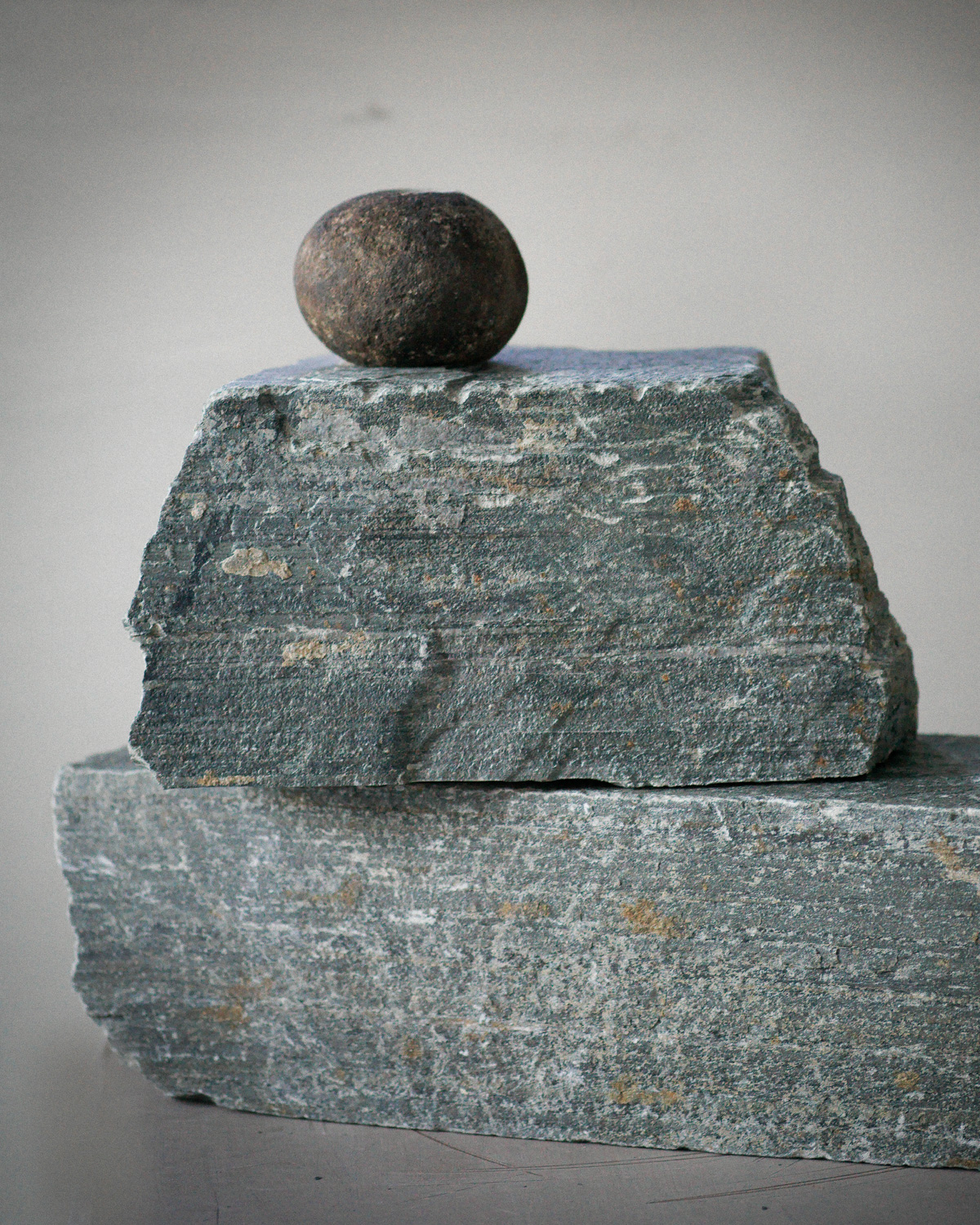
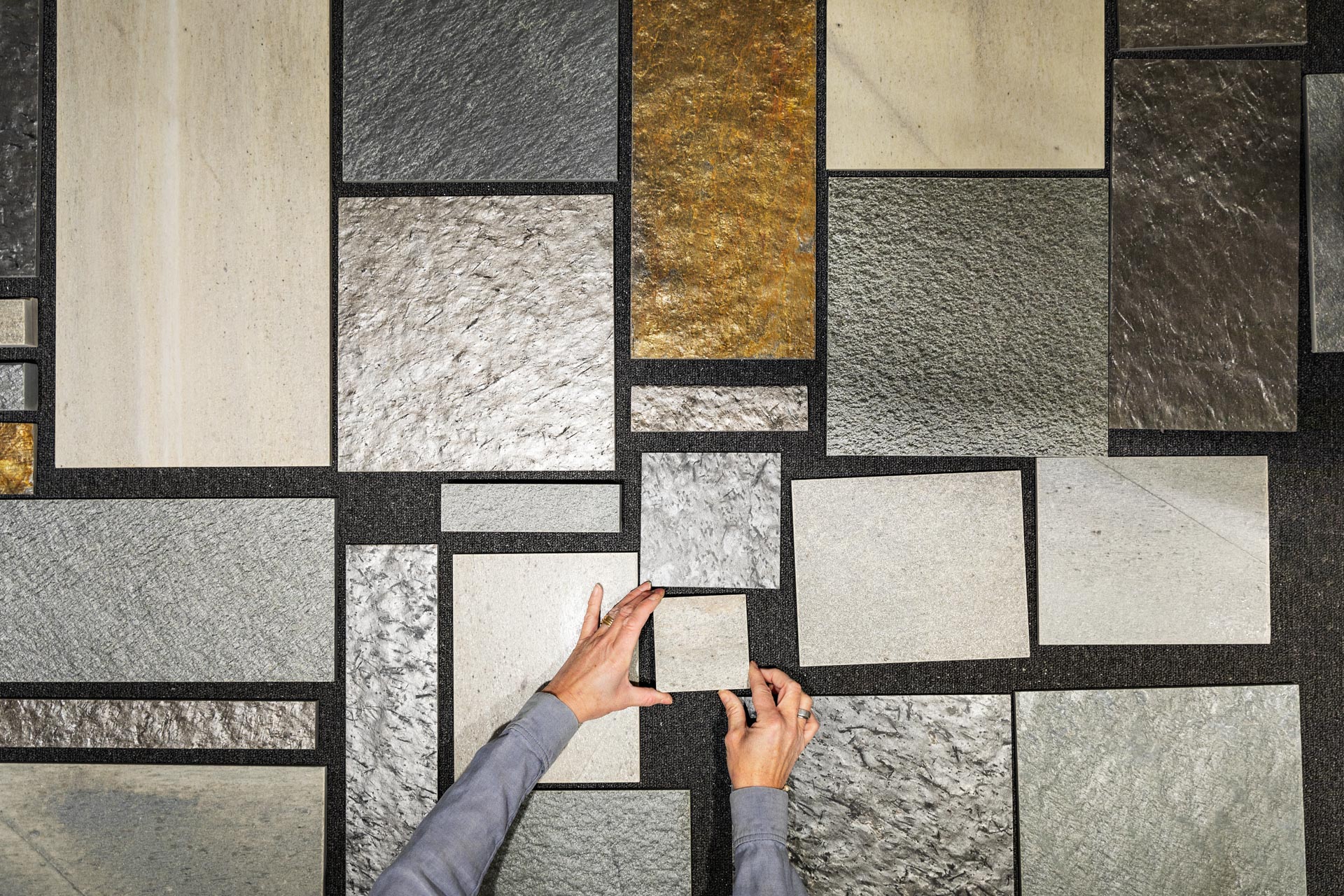
There was already slate on the site, and this became an important starting point.
– It felt natural to continue building on what was already there.
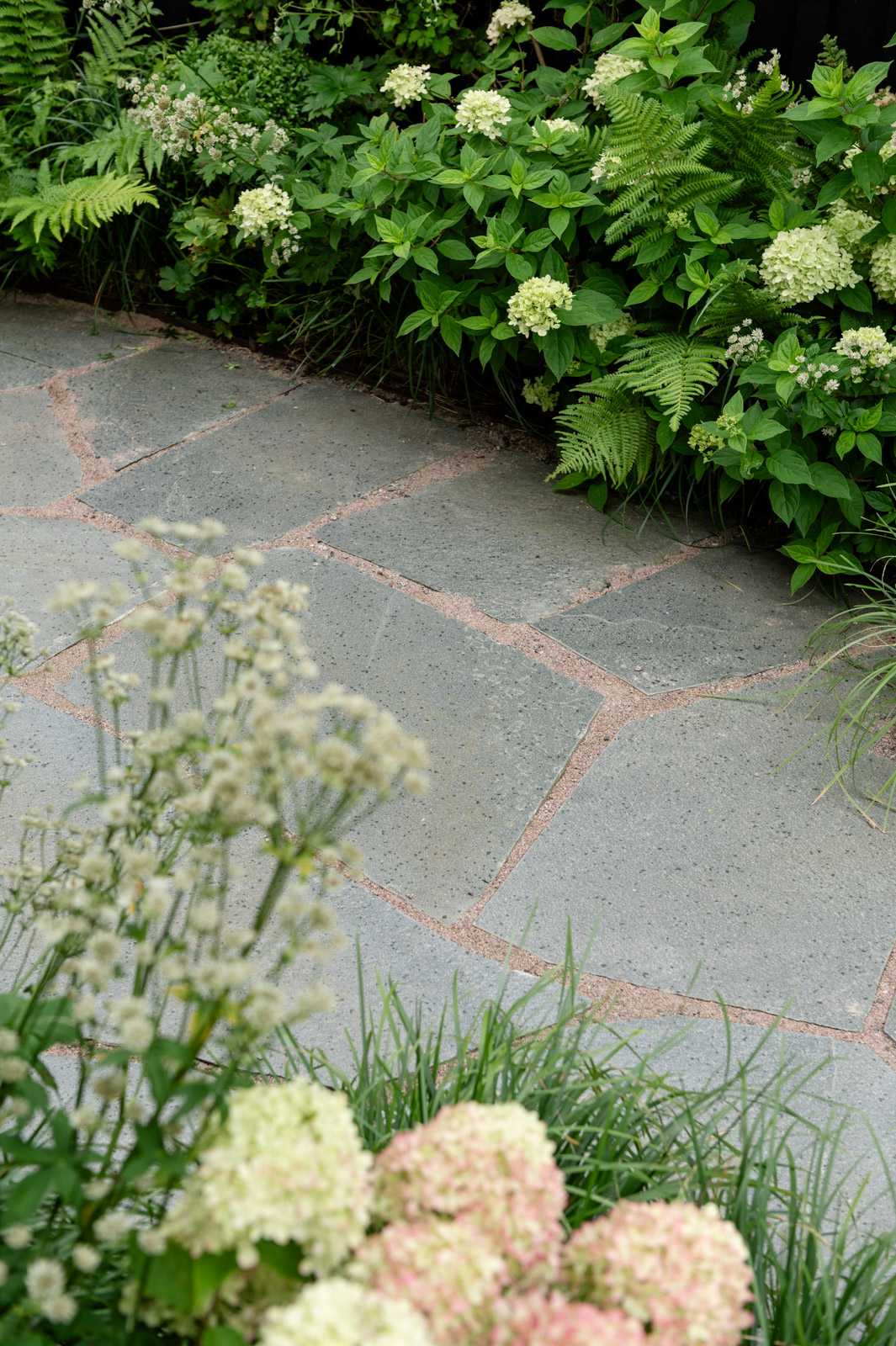
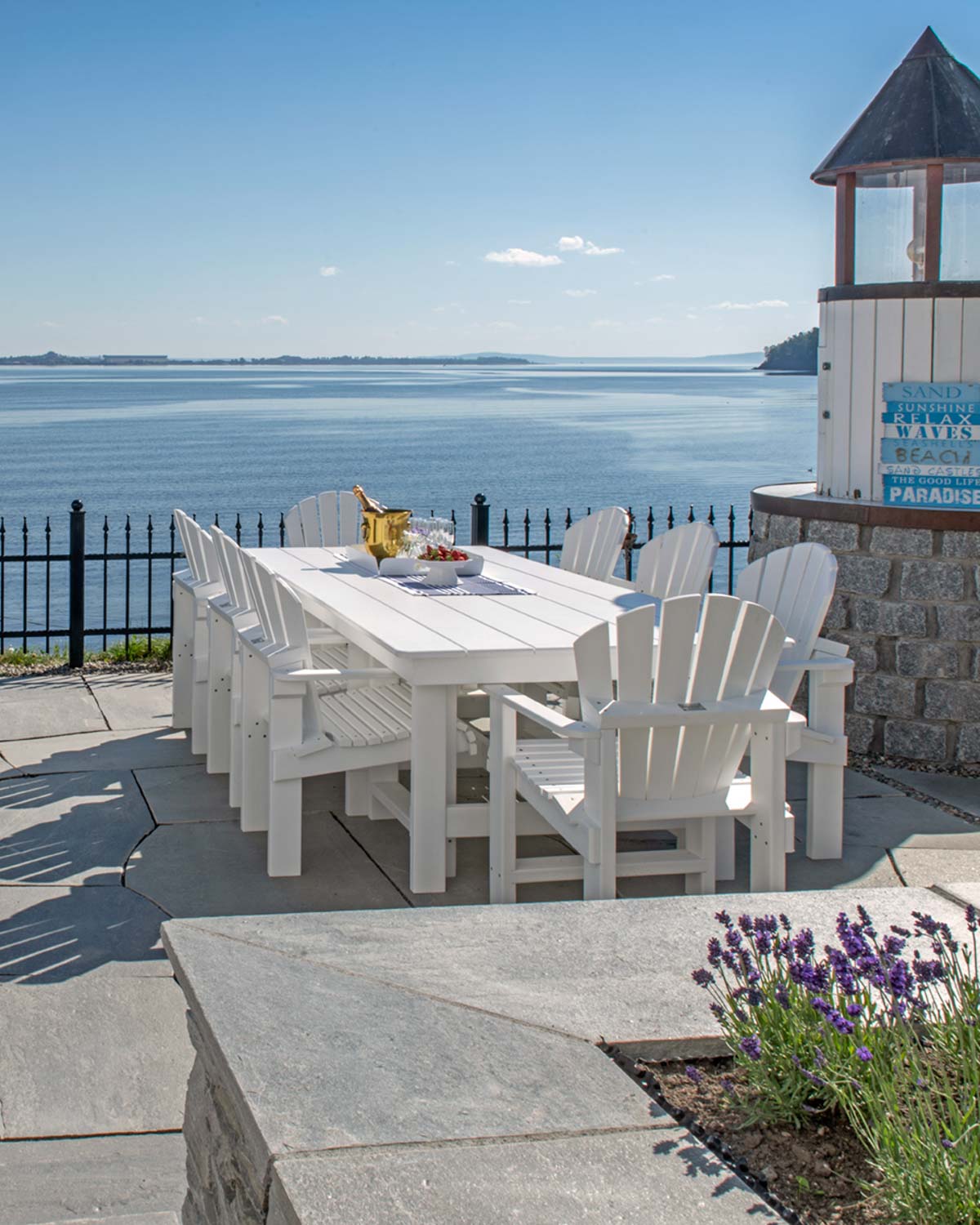
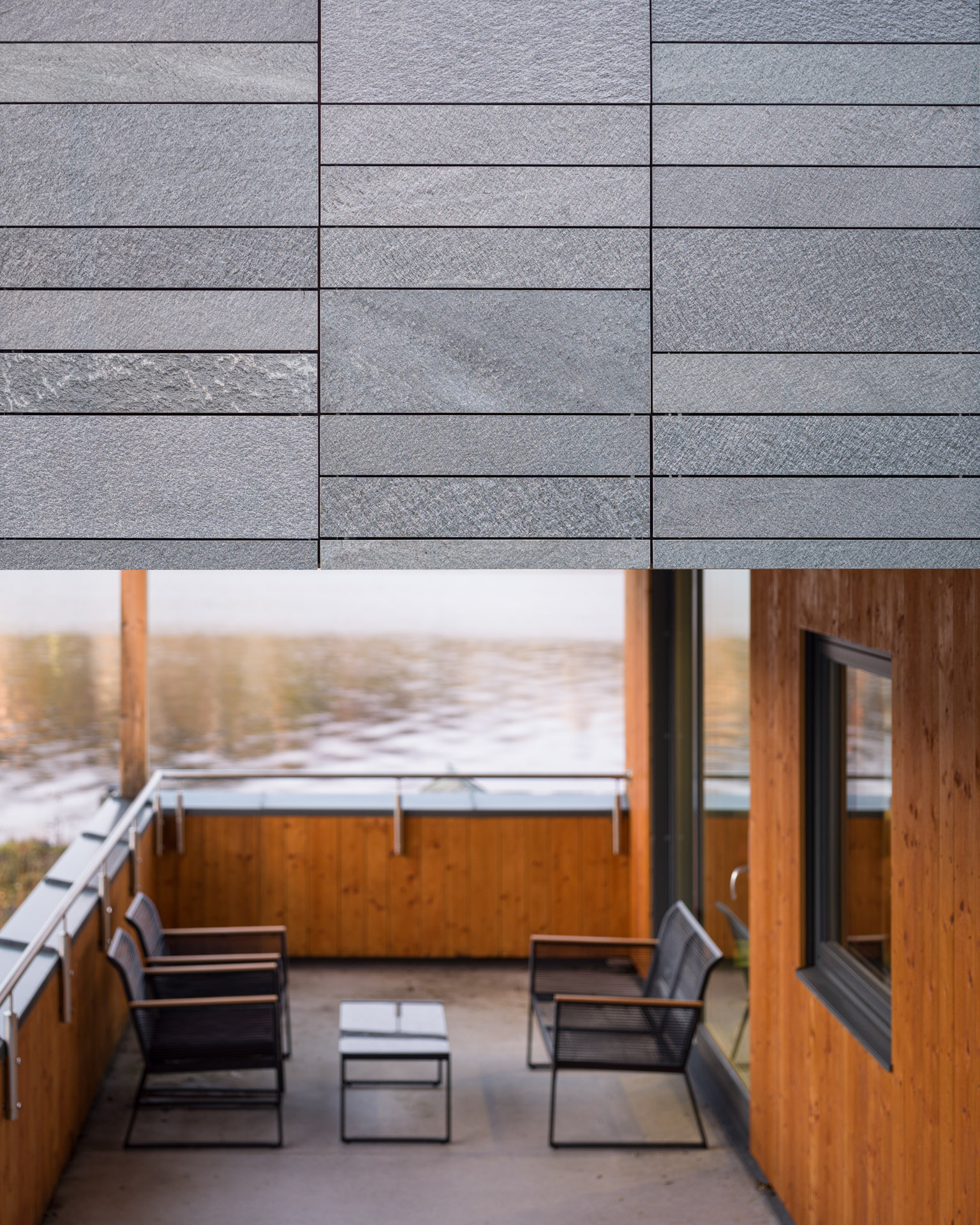
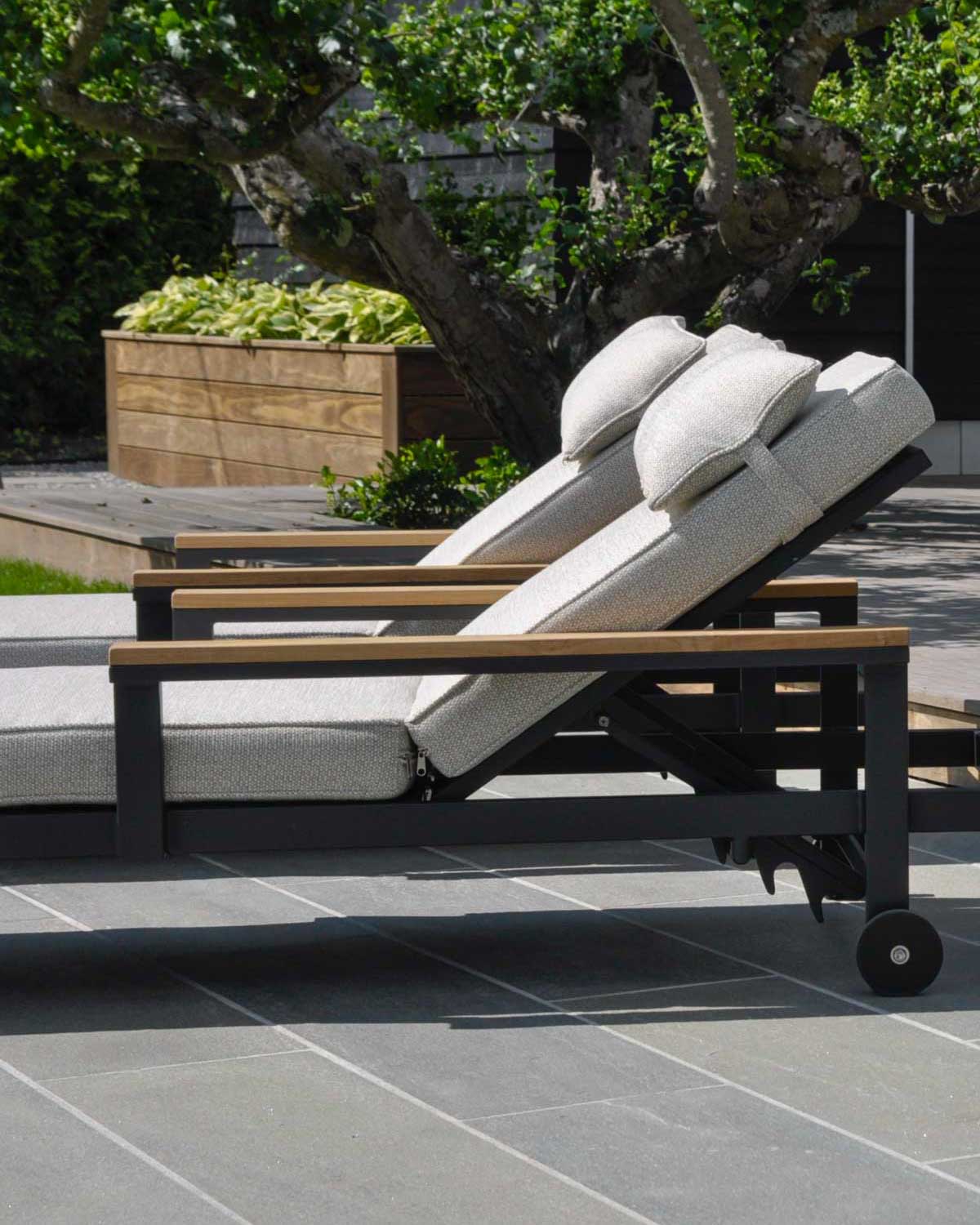
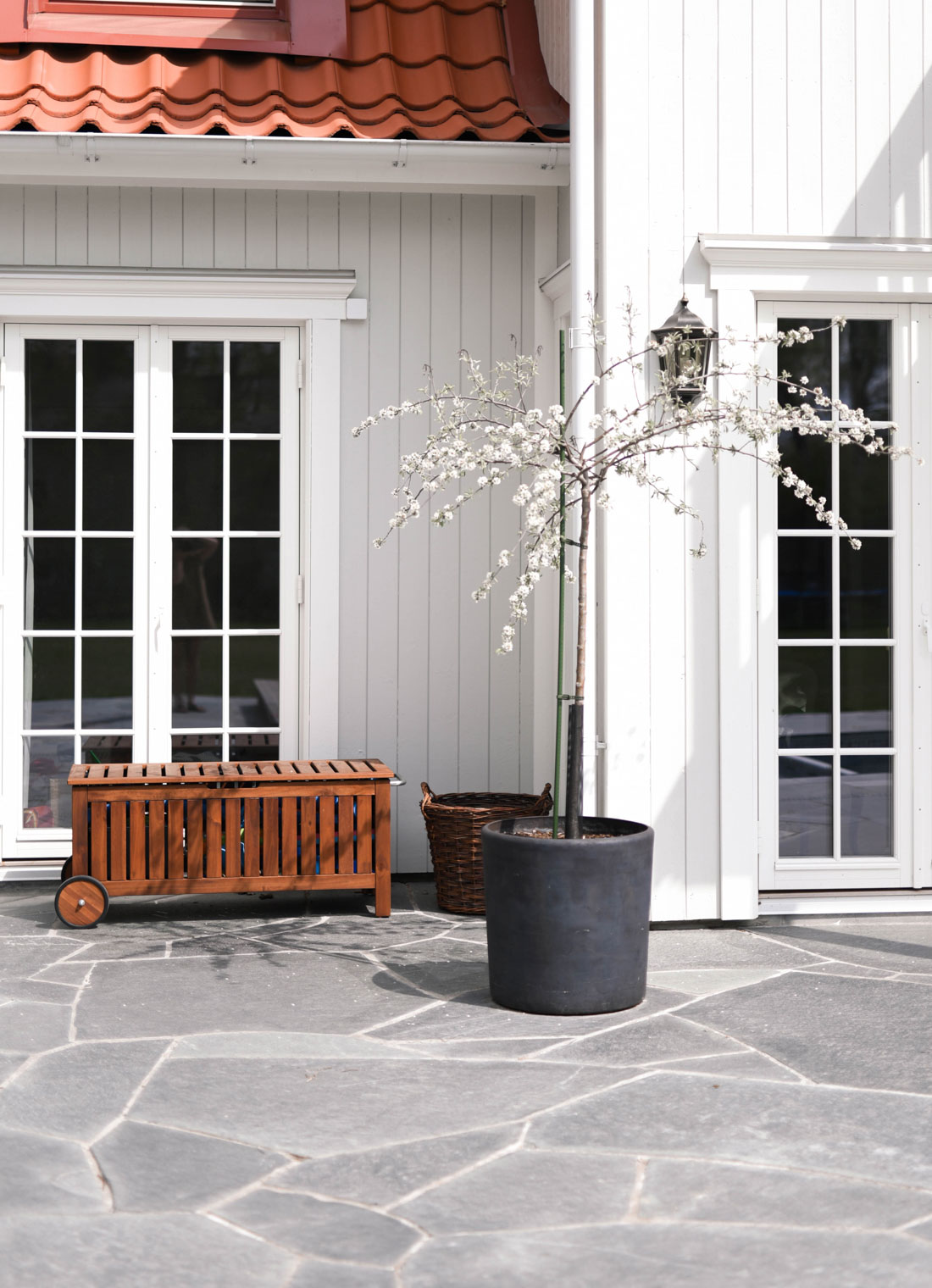
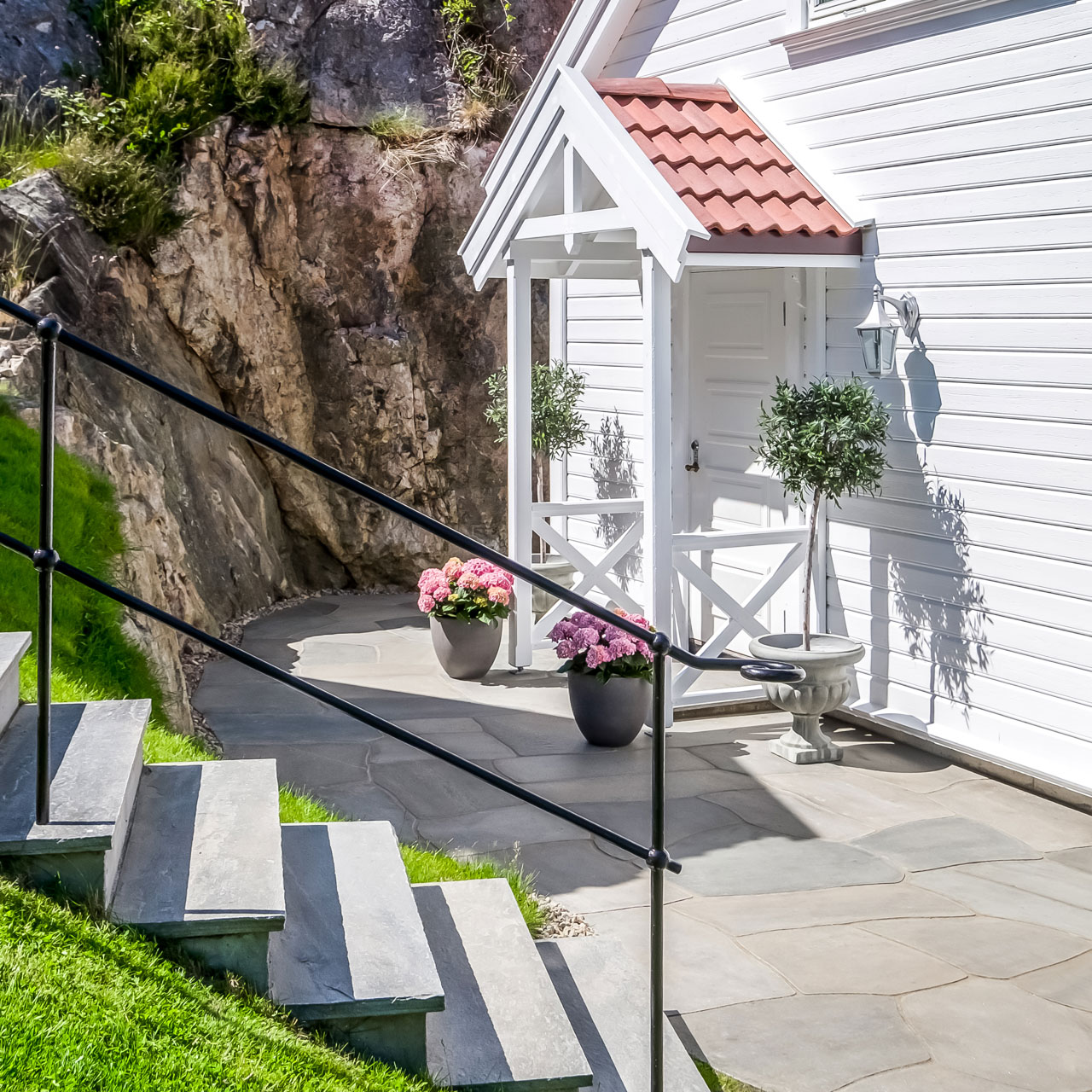
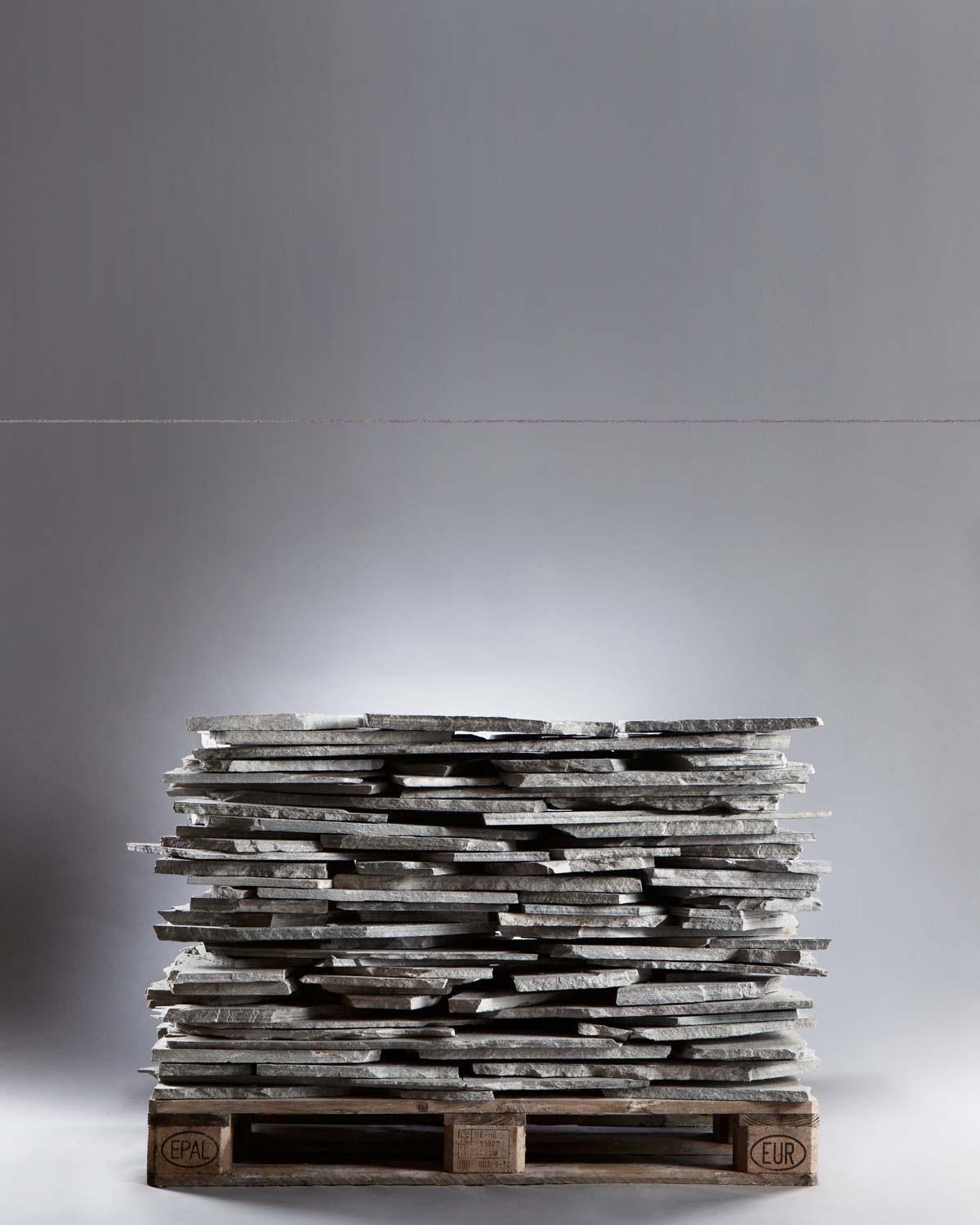
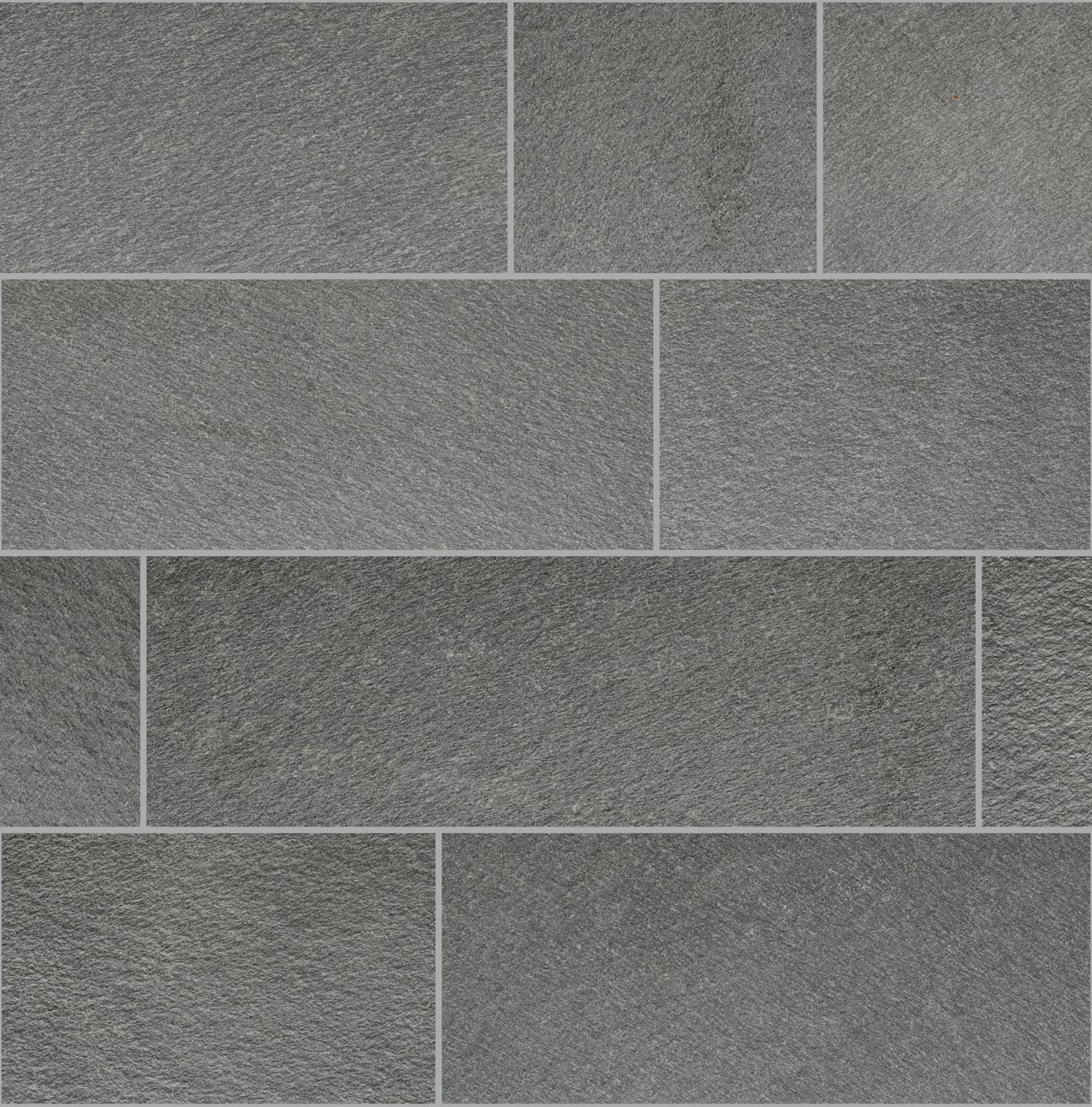
Under the pergola and in the walkways, Offerdal flagstones have been added. This keeps the expression cohesive and provides flexibility for future development.
– You can add more later without breaking the overall look.
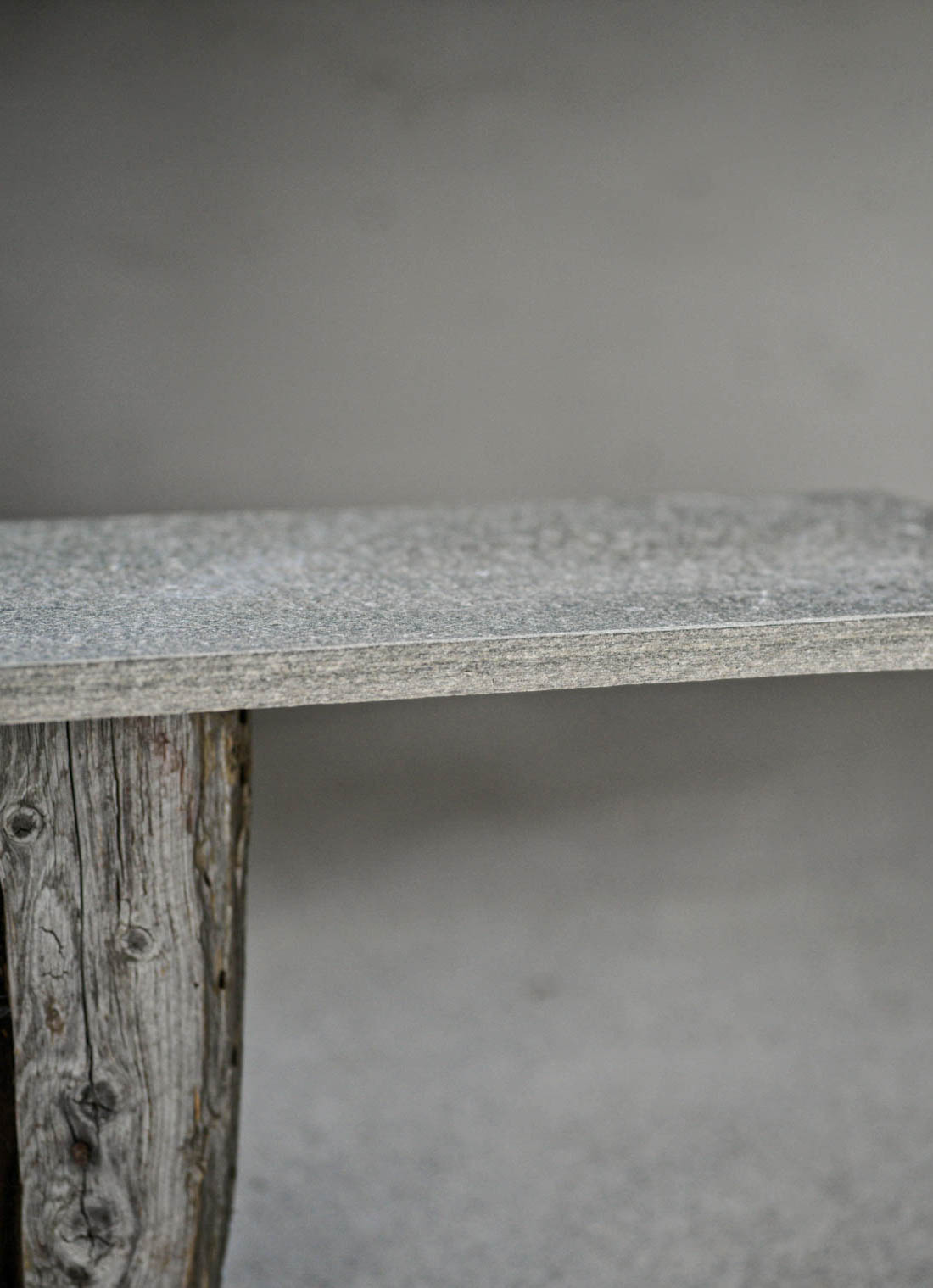
The slate works as a calm backdrop and ties together the different parts of the garden.

An important element in the project is the combination of materials.
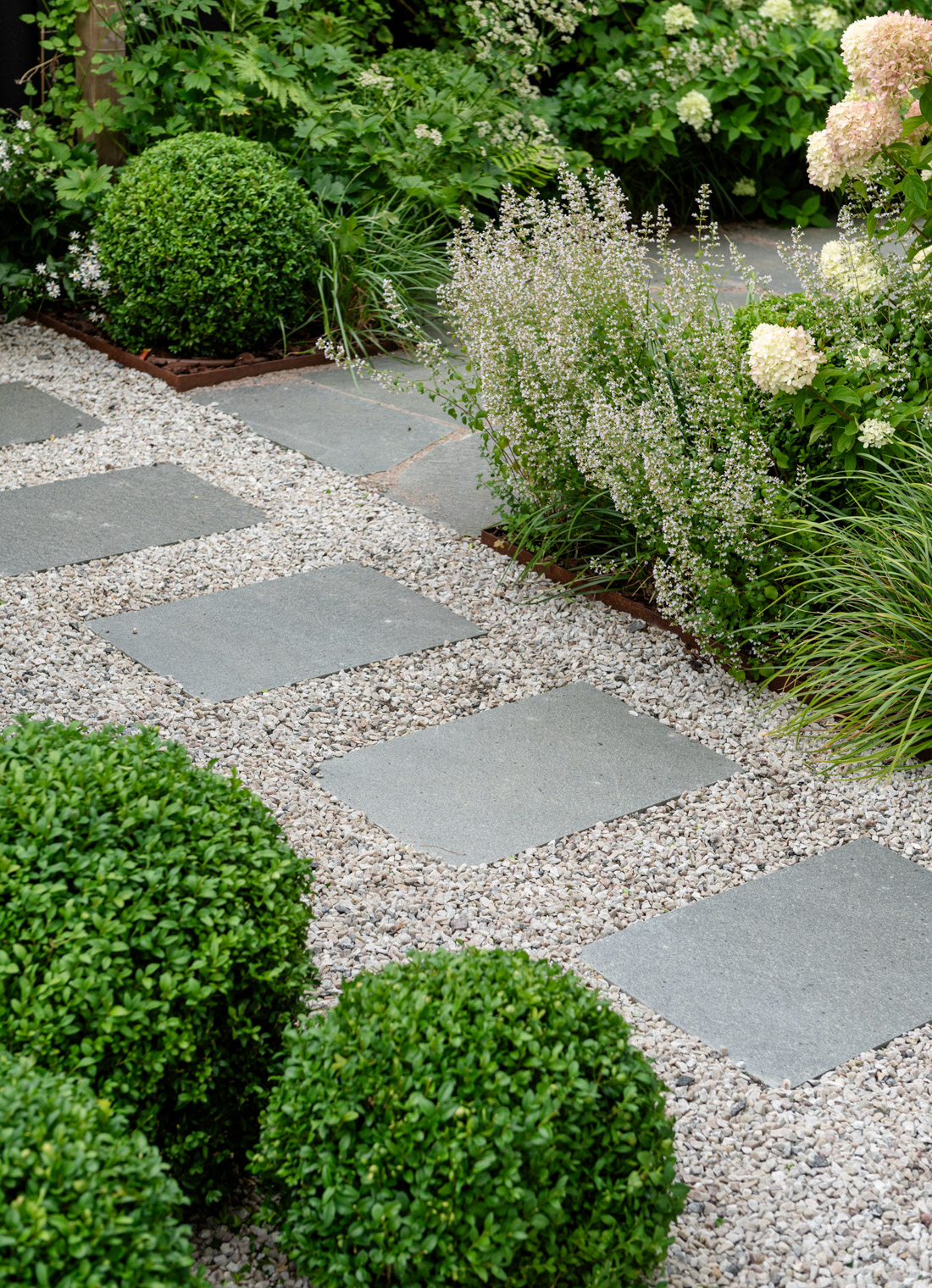
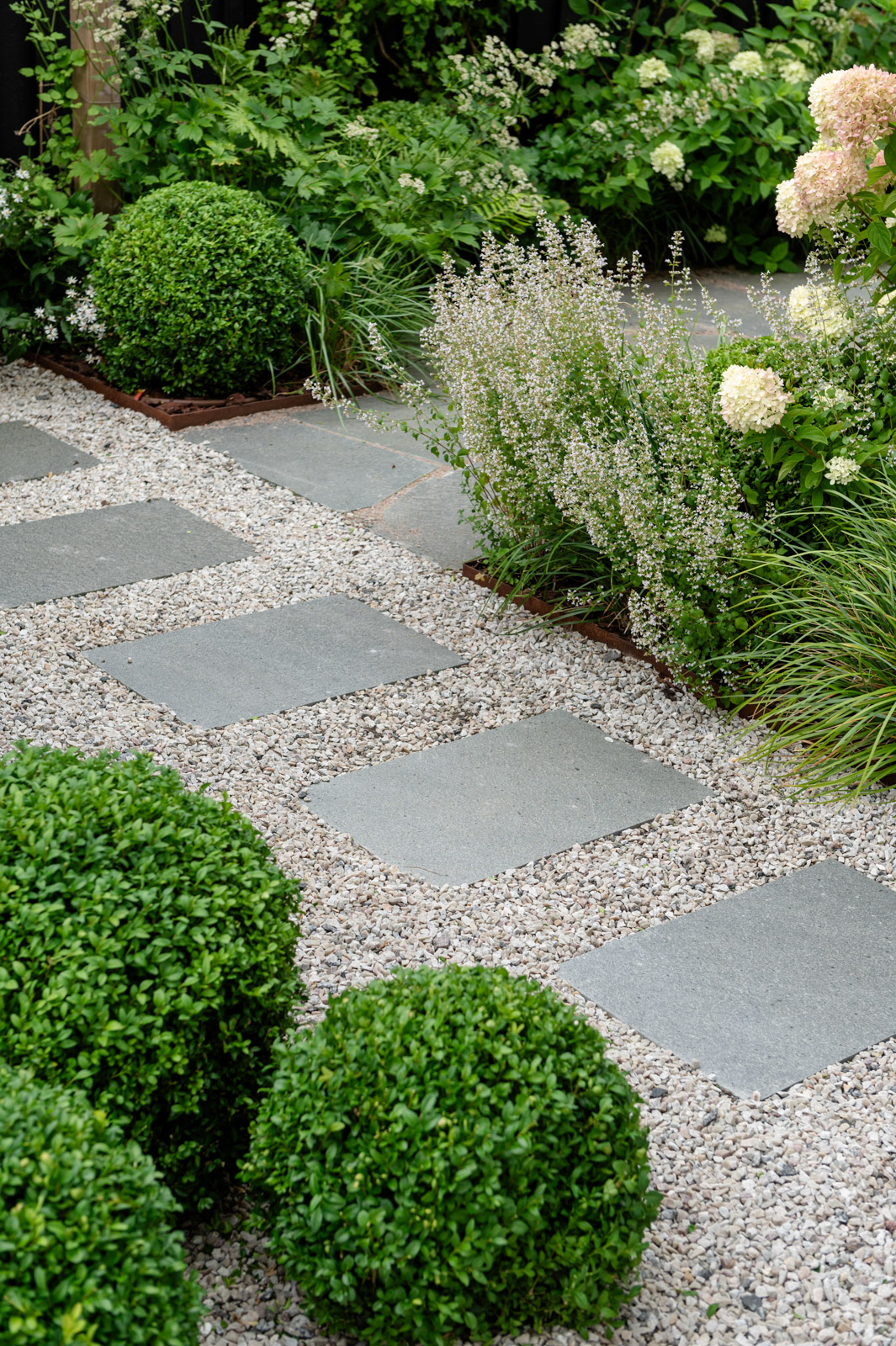
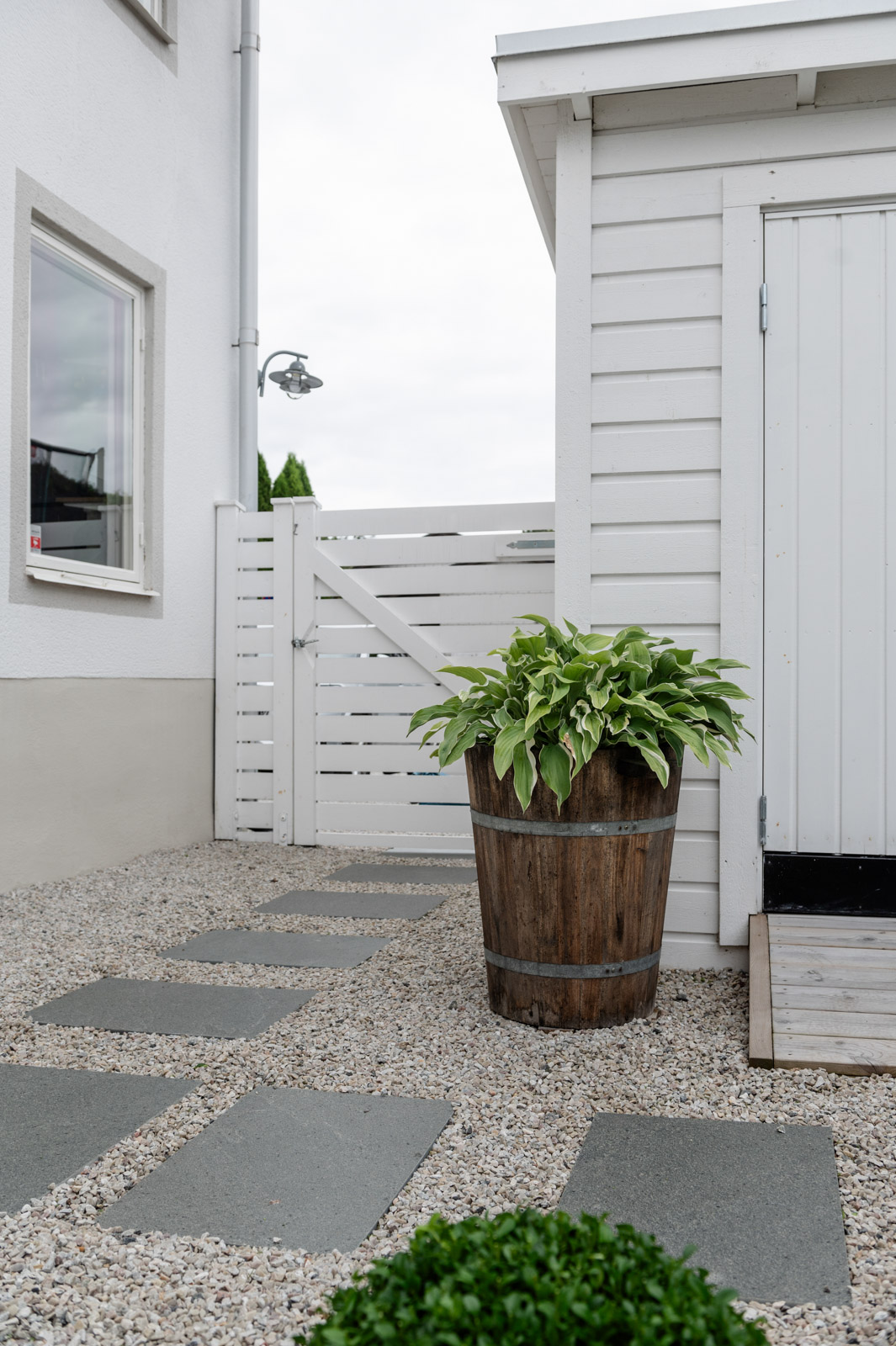
Gravel surfaces have been actively used together with slate stepping stones.
– The gravel brings life. It crunches when you walk on it.
The stepping stones provide direction and structure, while keeping the expression open and informal.
Transitions between wood, stone and gravel help create variation and movement throughout the garden.
– It is about using more senses than just the visual one.

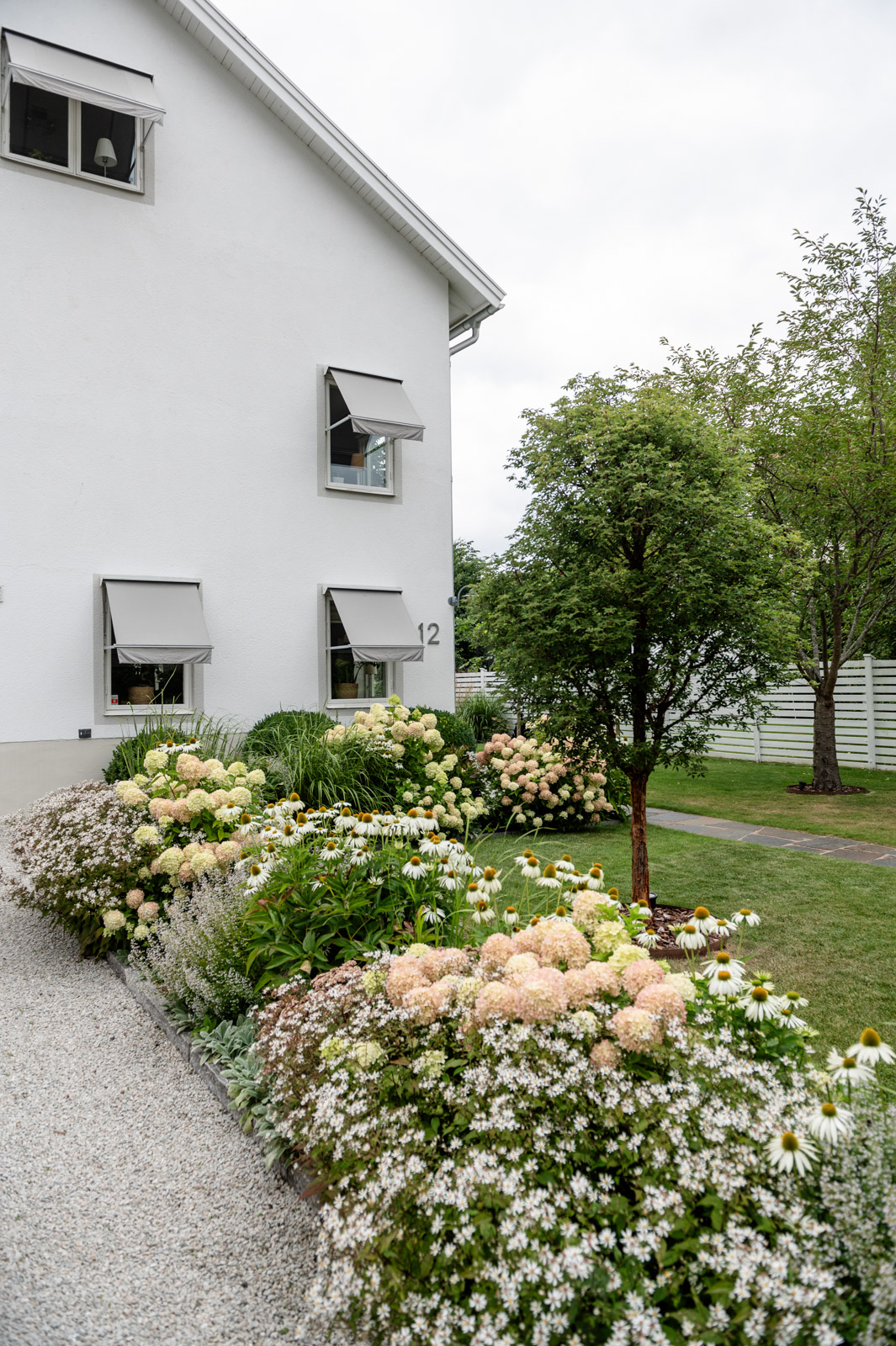
The planting is essential in breaking up the strict expression.
– I work a lot with contrasts.
Clipped boxwood spheres create structure and calm, while looser and more vibrant plants create movement.
Calamintha is one of the key plants.
– It creates a light, almost cloud-like expression, and looks very beautiful against the slate.
Panicle hydrangeas add volume and soft transitions, while ornamental grasses and perennials create variation throughout the season. In shaded areas, ferns and white Japanese anemones have been used.

A consistent principle throughout the project has been to use few materials – and use them well.
– Natural materials last a long time and can be reused.
Existing stone has been preserved and reused wherever possible.
– You should always think twice before replacing something.
This not only creates a more sustainable project, but also a more cohesive expression.


The result is a garden that still respects the architectural starting point, but feels far more alive.
The strict lines have been preserved, but softened with materials, planting and clearly defined zones.
– The goal was to create a garden with more life and a clearer identity.
A garden that both functions well in everyday use and provides a richer experience.
“We chose to continue building on the slate that was already there, and let it tie the entire garden together.”
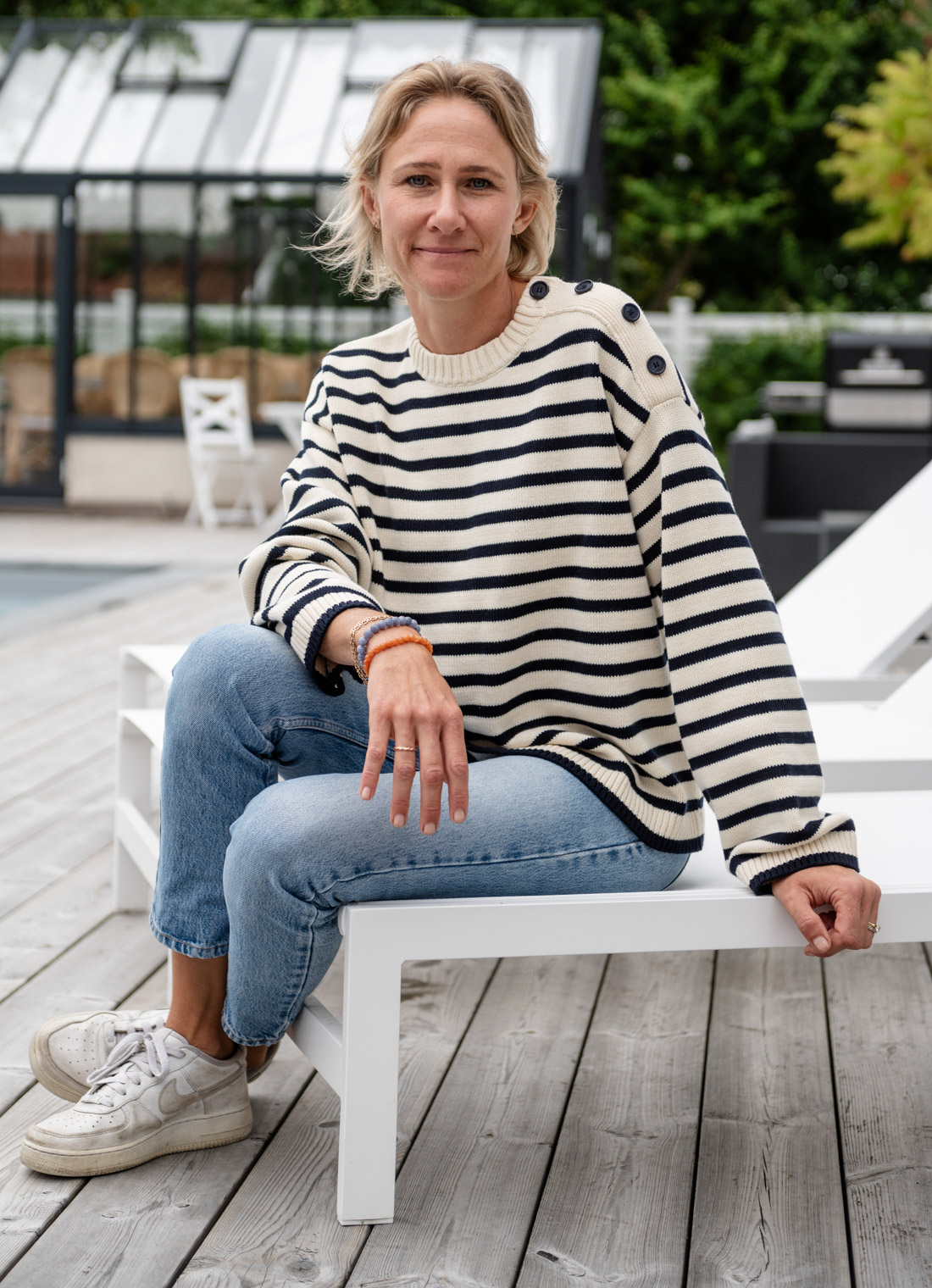
Therese Andersen
Garden Designer – Inside Out Interiör & Trädgård