





Sloped garden? How to create a functional outdoor space with levels and a pool
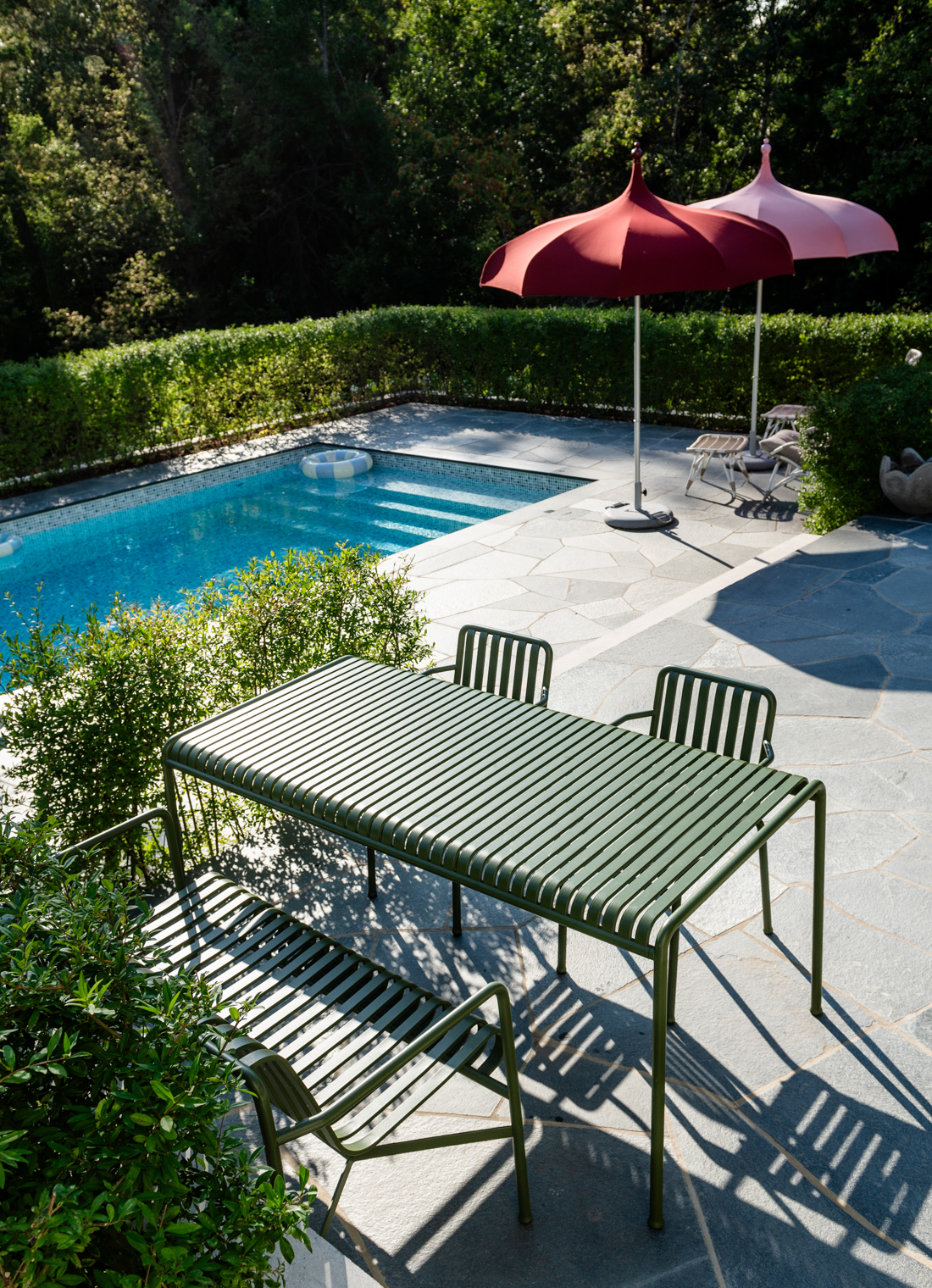
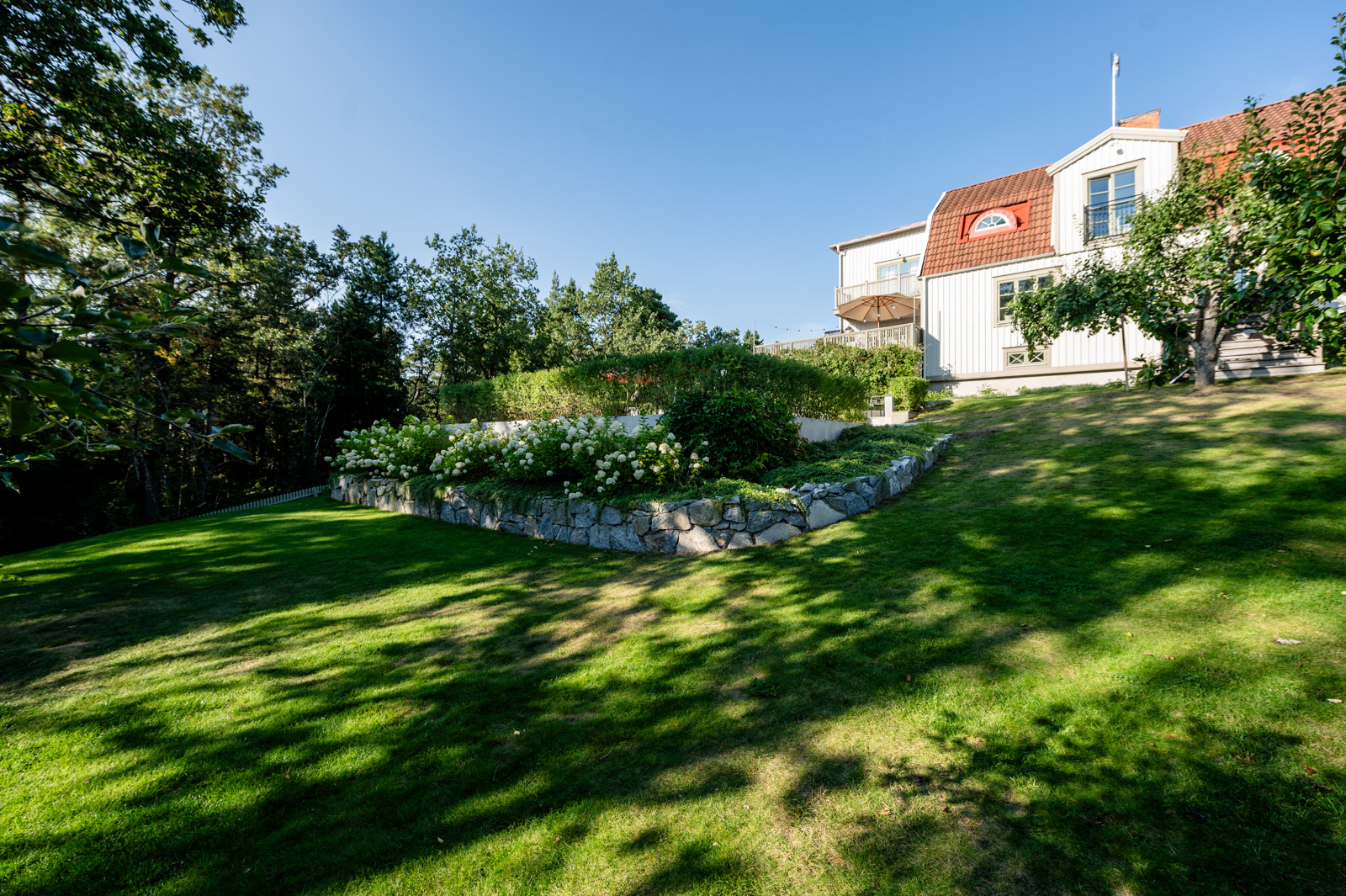
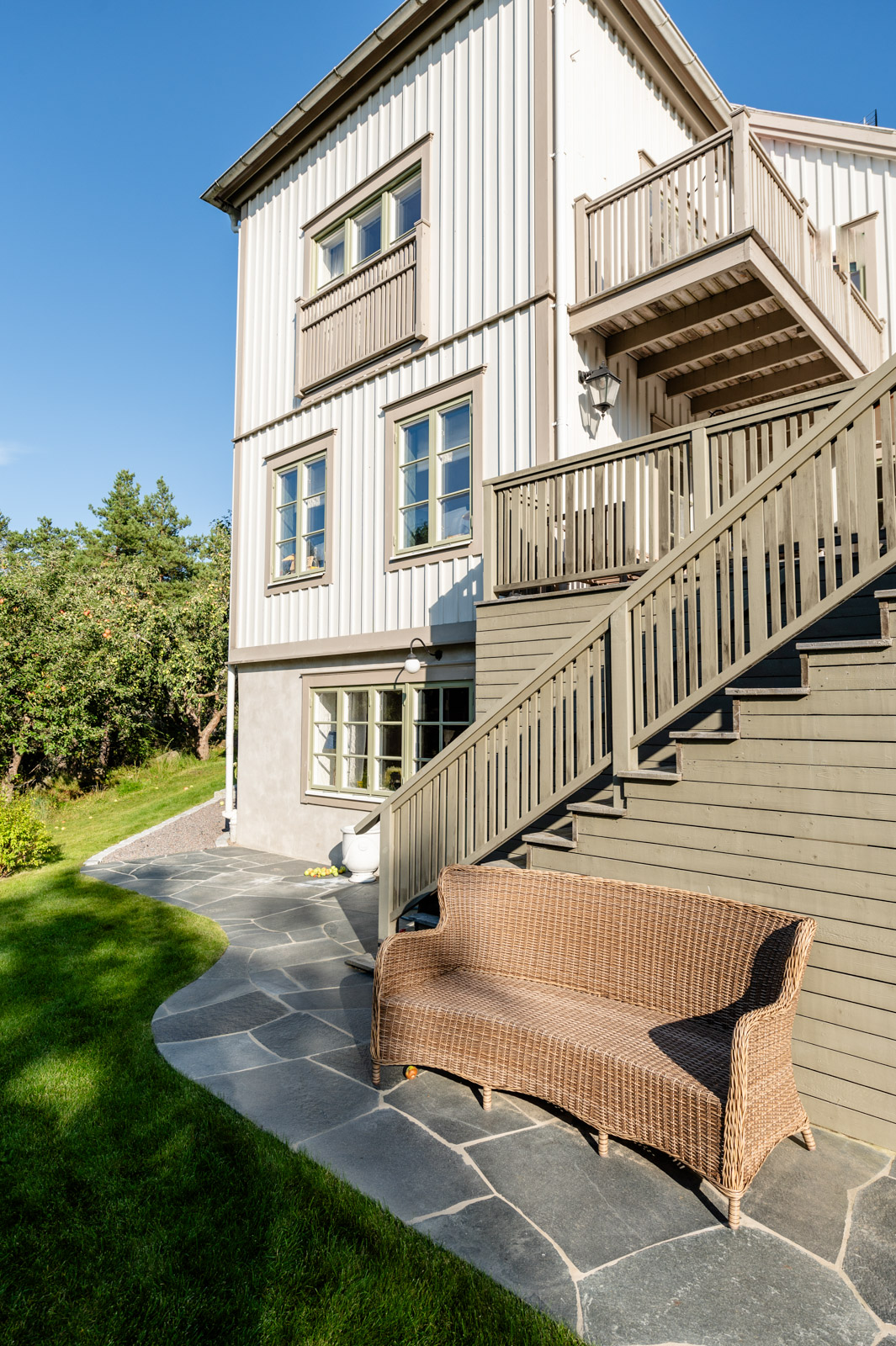
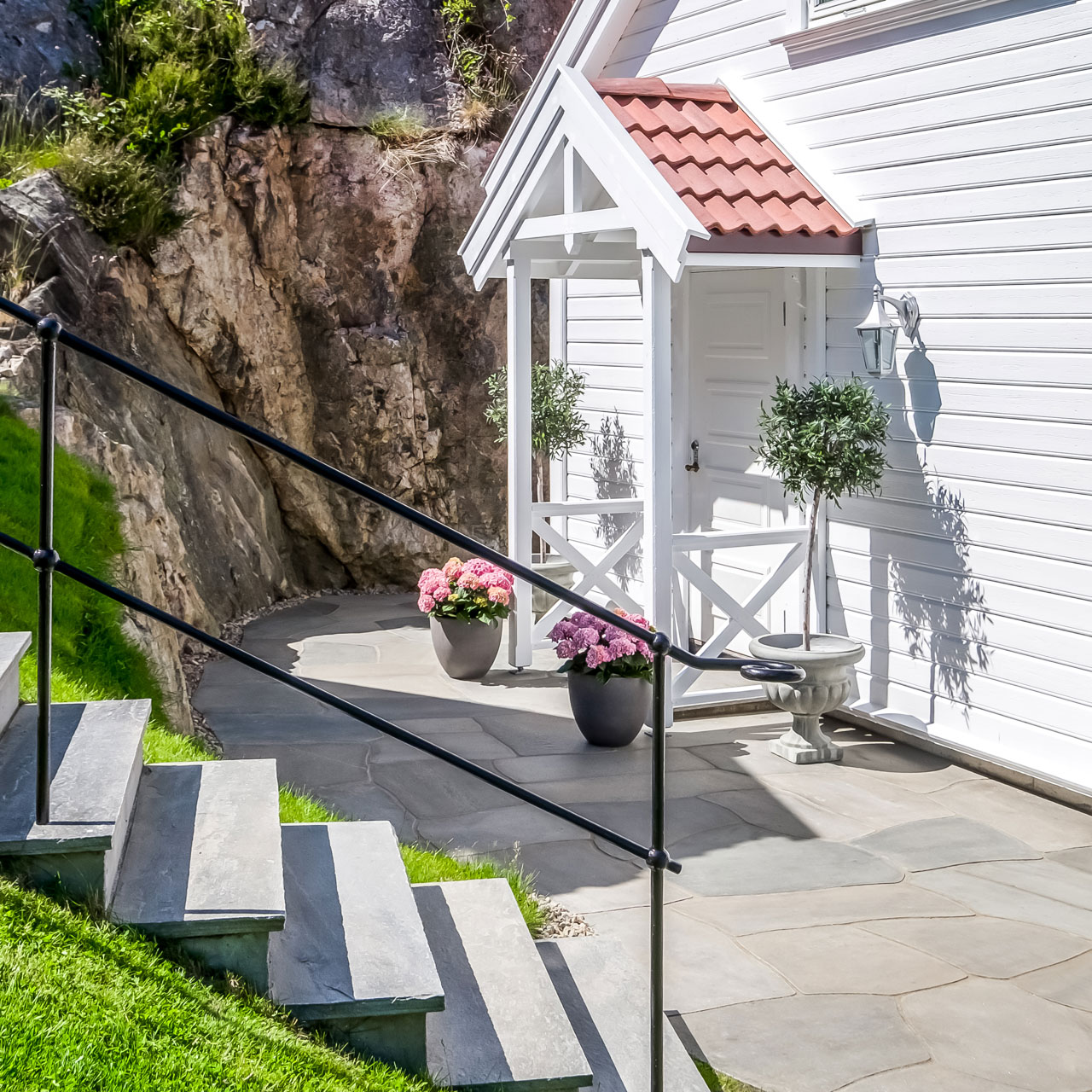
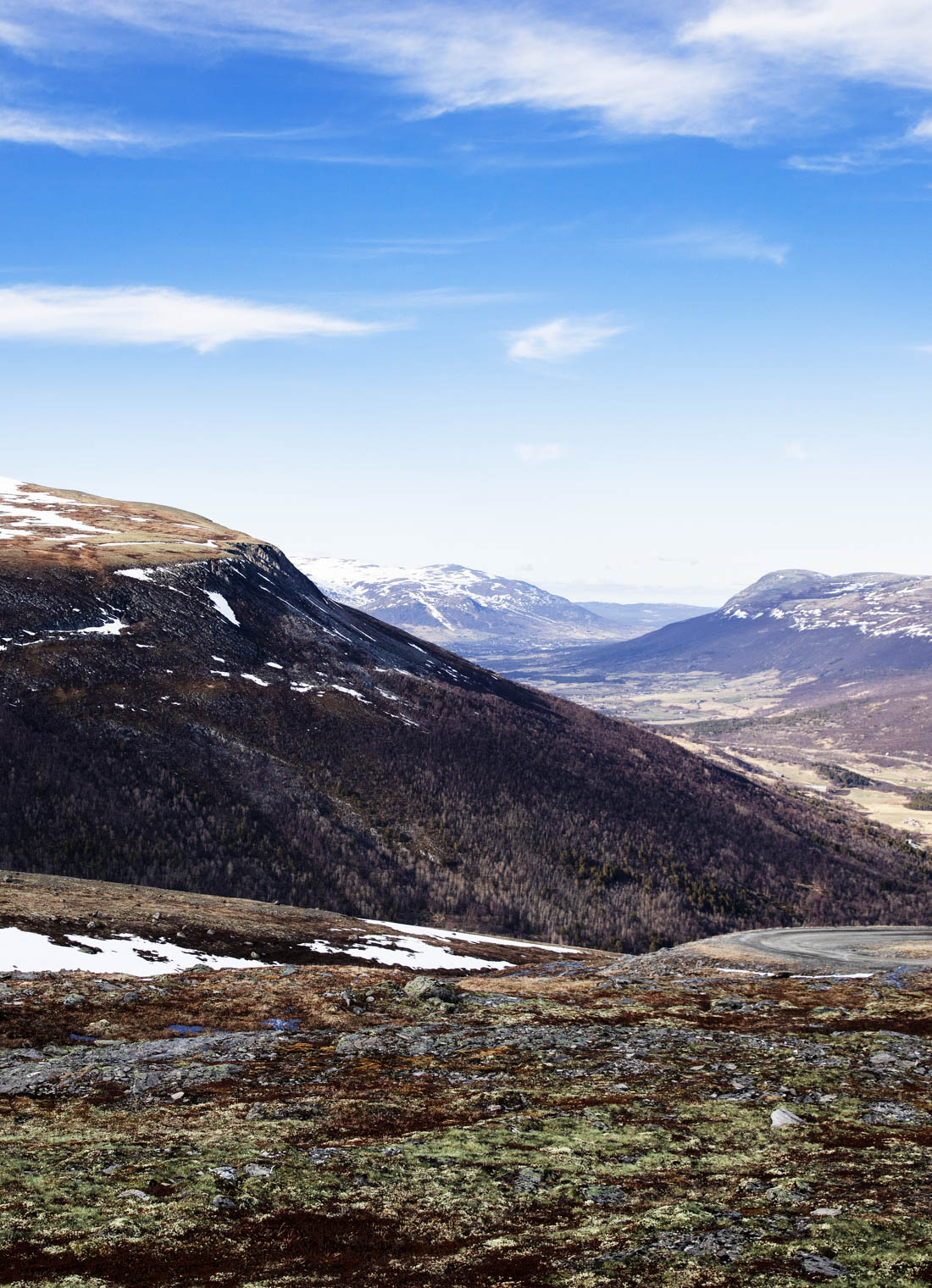
When garden designer Lova from Ground Studio first visited the property, she was met with a beautiful but challenging site. The starting point was a steep, sloped garden with significant height differences and very limited usable areas.
– It was a very beautiful site, but difficult to use in everyday life. The family wanted space for play, social areas and a pool, she explains.
Instead of flattening the terrain, the decision was to work with it.
– A sloped site actually gives you many opportunities. You can create levels and, in turn, several distinct zones in the garden.

What may initially seem like a constraint can become a key strength. By working with the natural topography rather than against it, you can create a garden with both flow and structure.
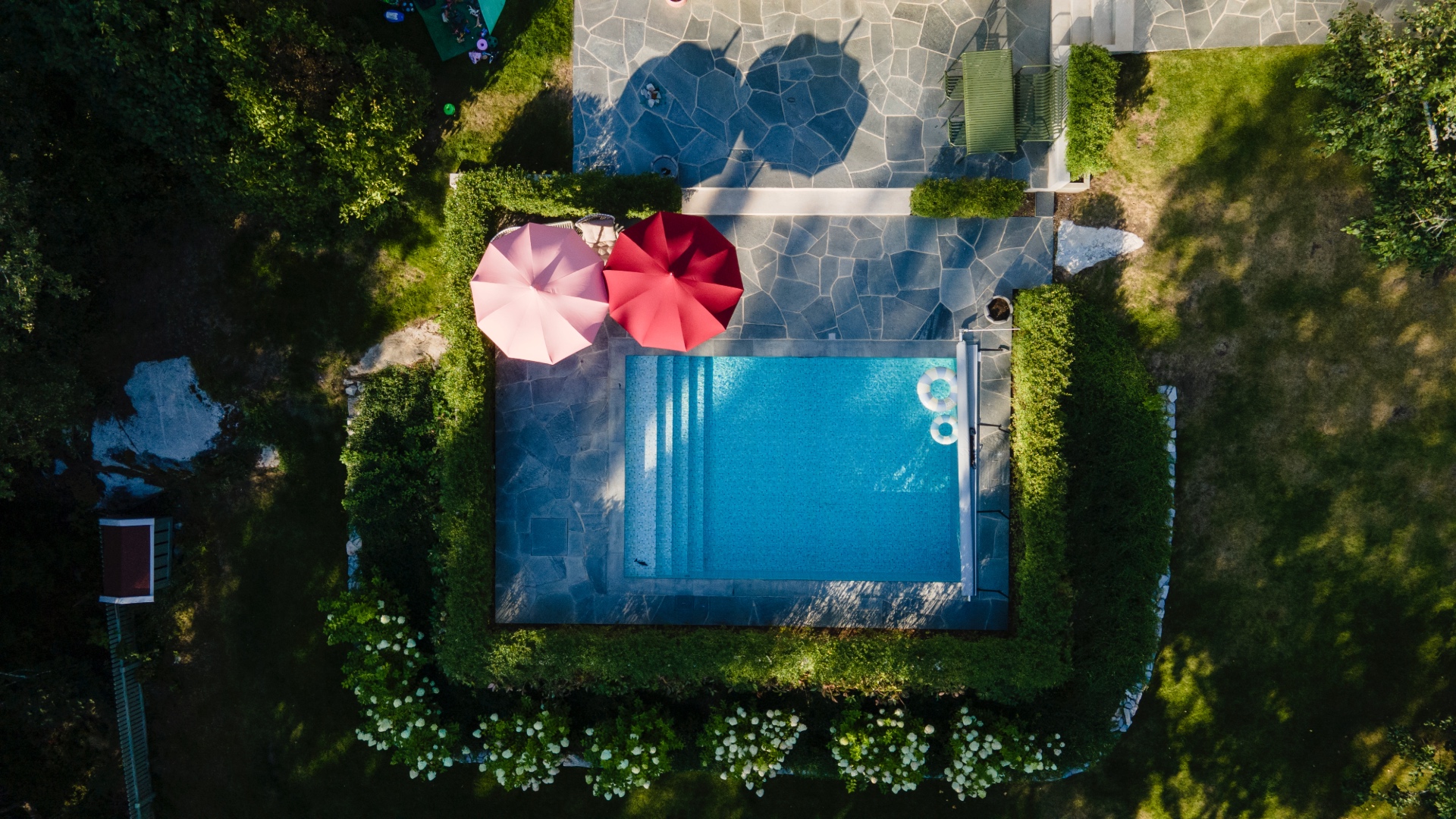
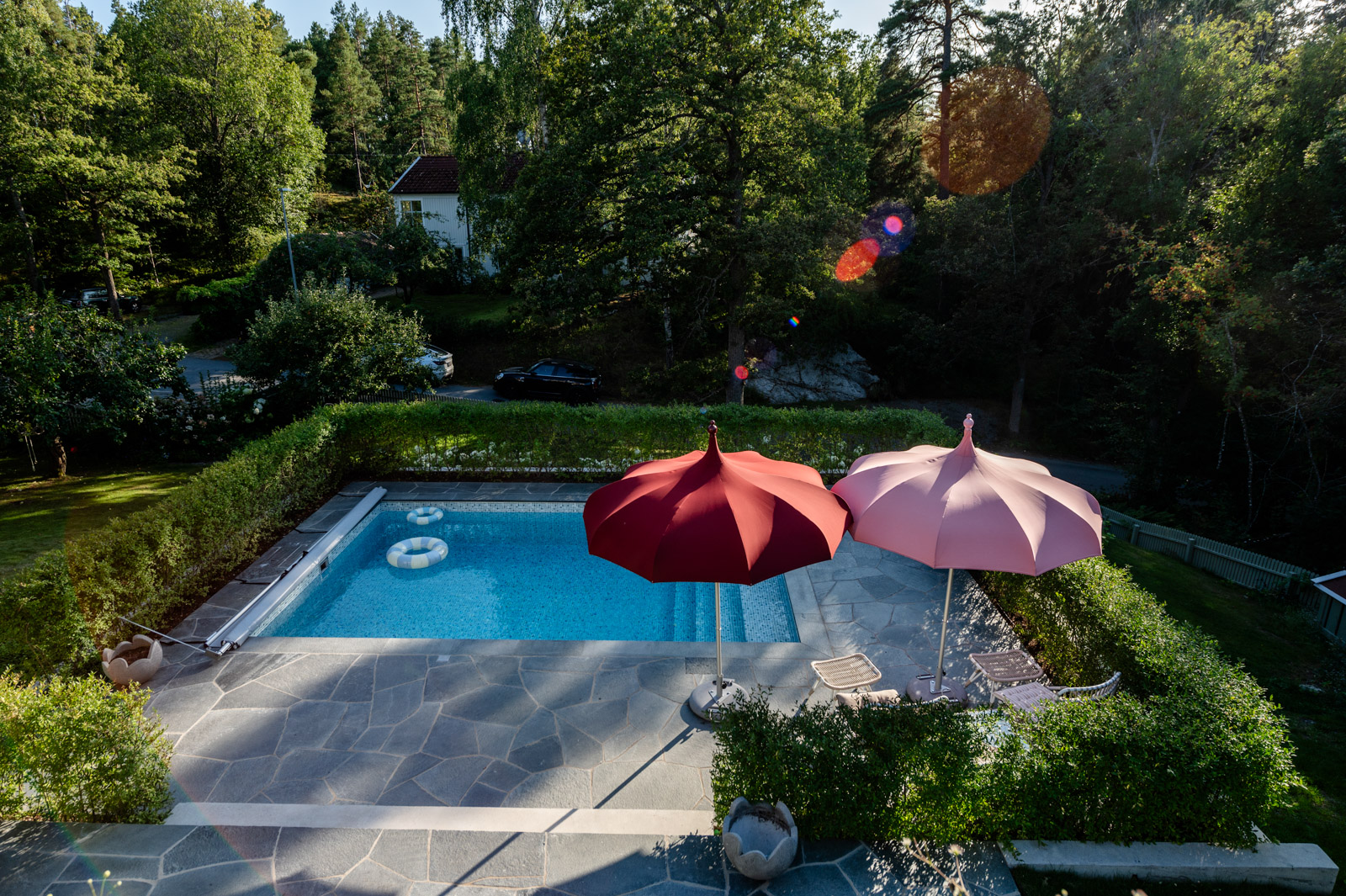
In this project, the site was divided into several levels, each with its own function. The terrace and pool area were carefully positioned to connect the outdoor space while also balancing the scale of the house within its forest surroundings.
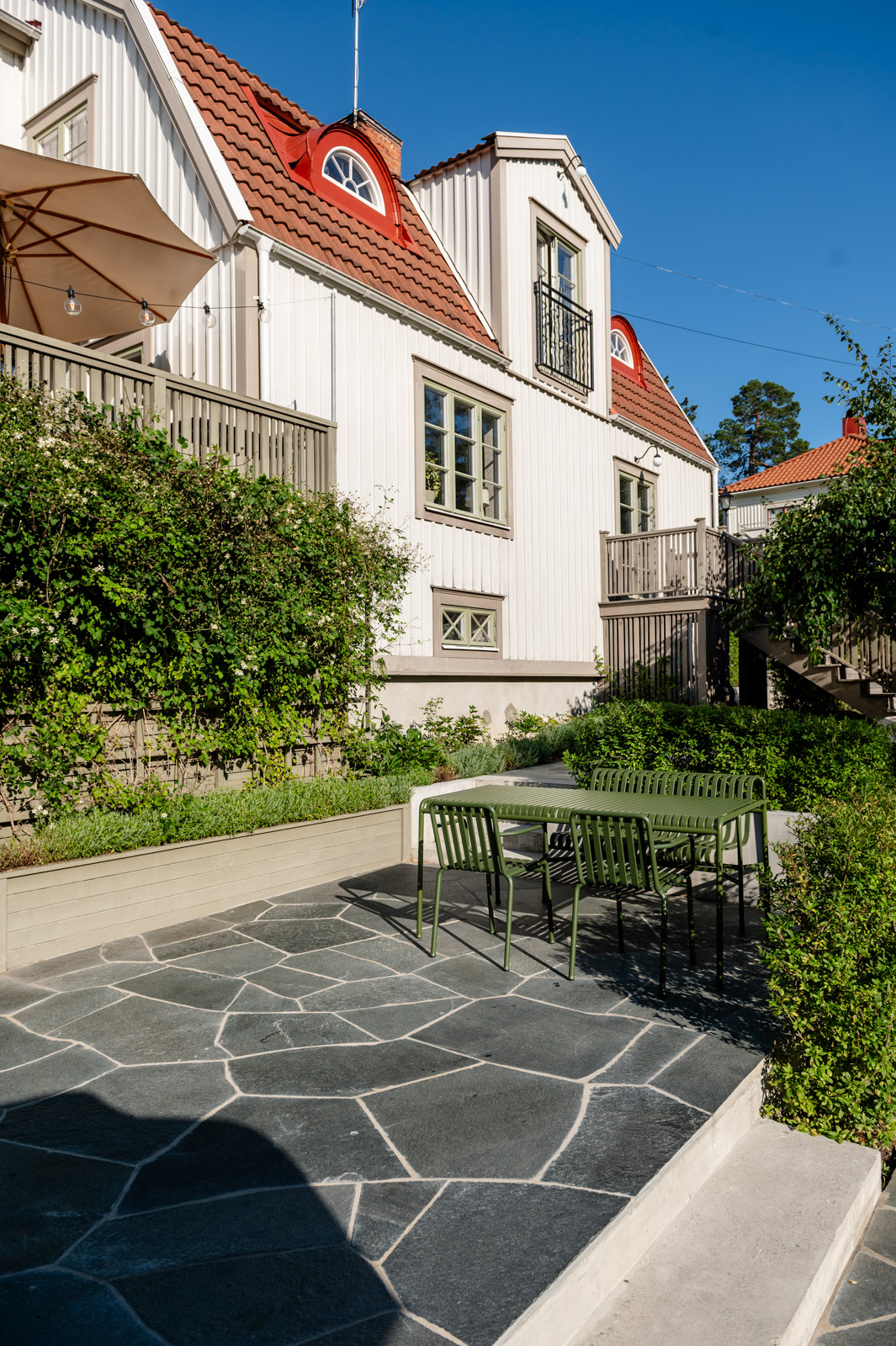
The changes in level make it easier to define zones that work in practice – for social use, play and quieter moments.

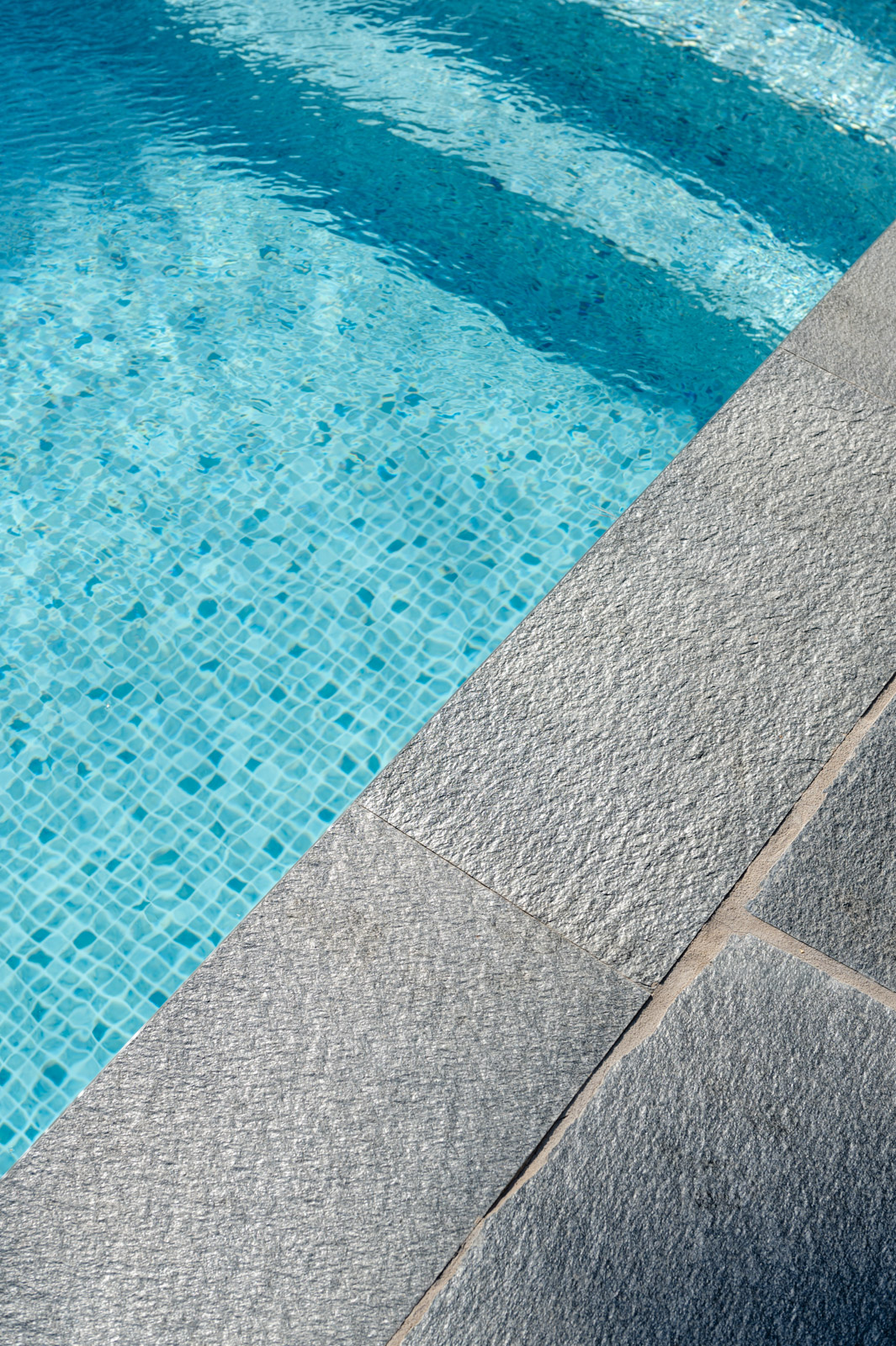
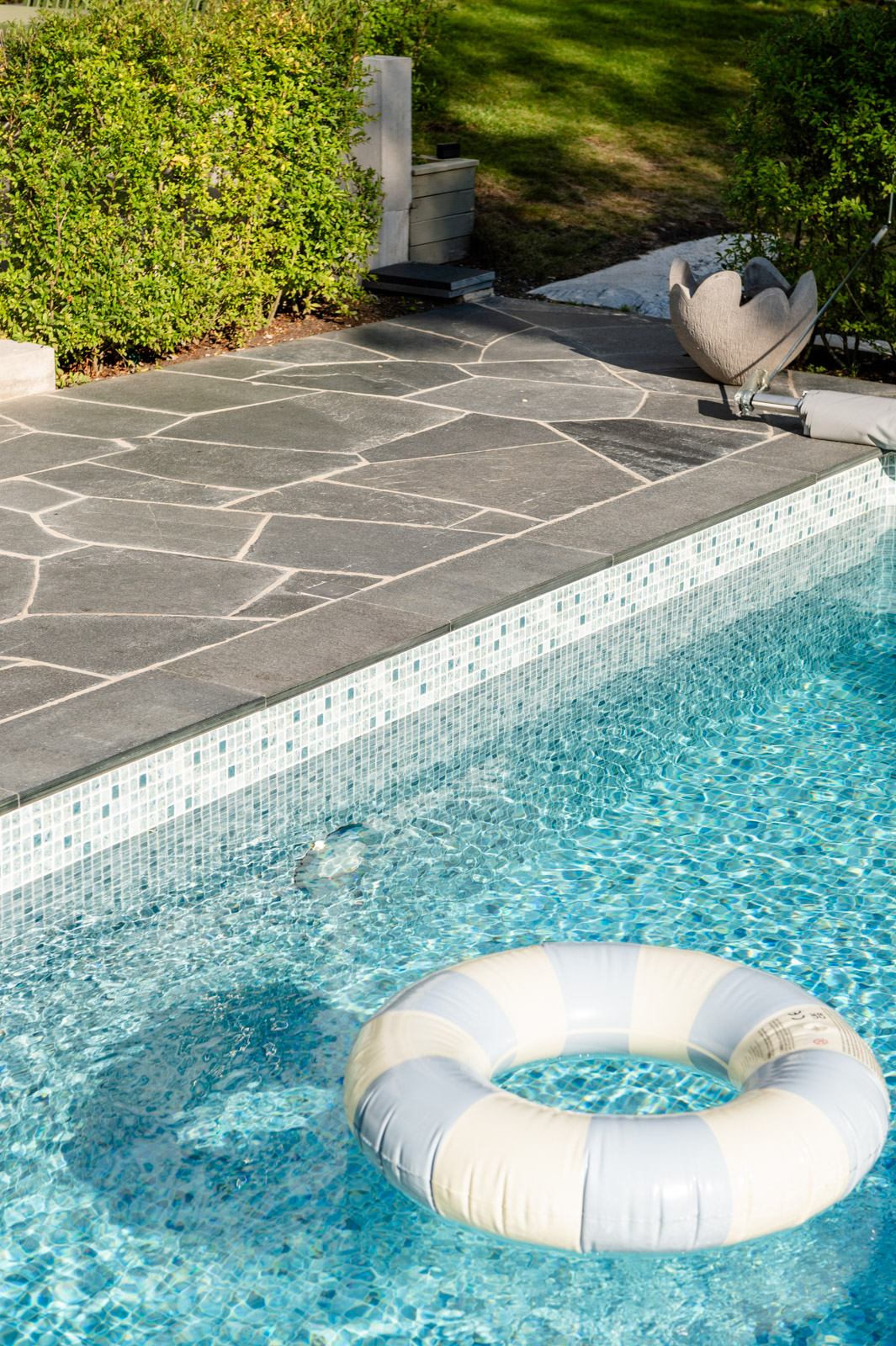
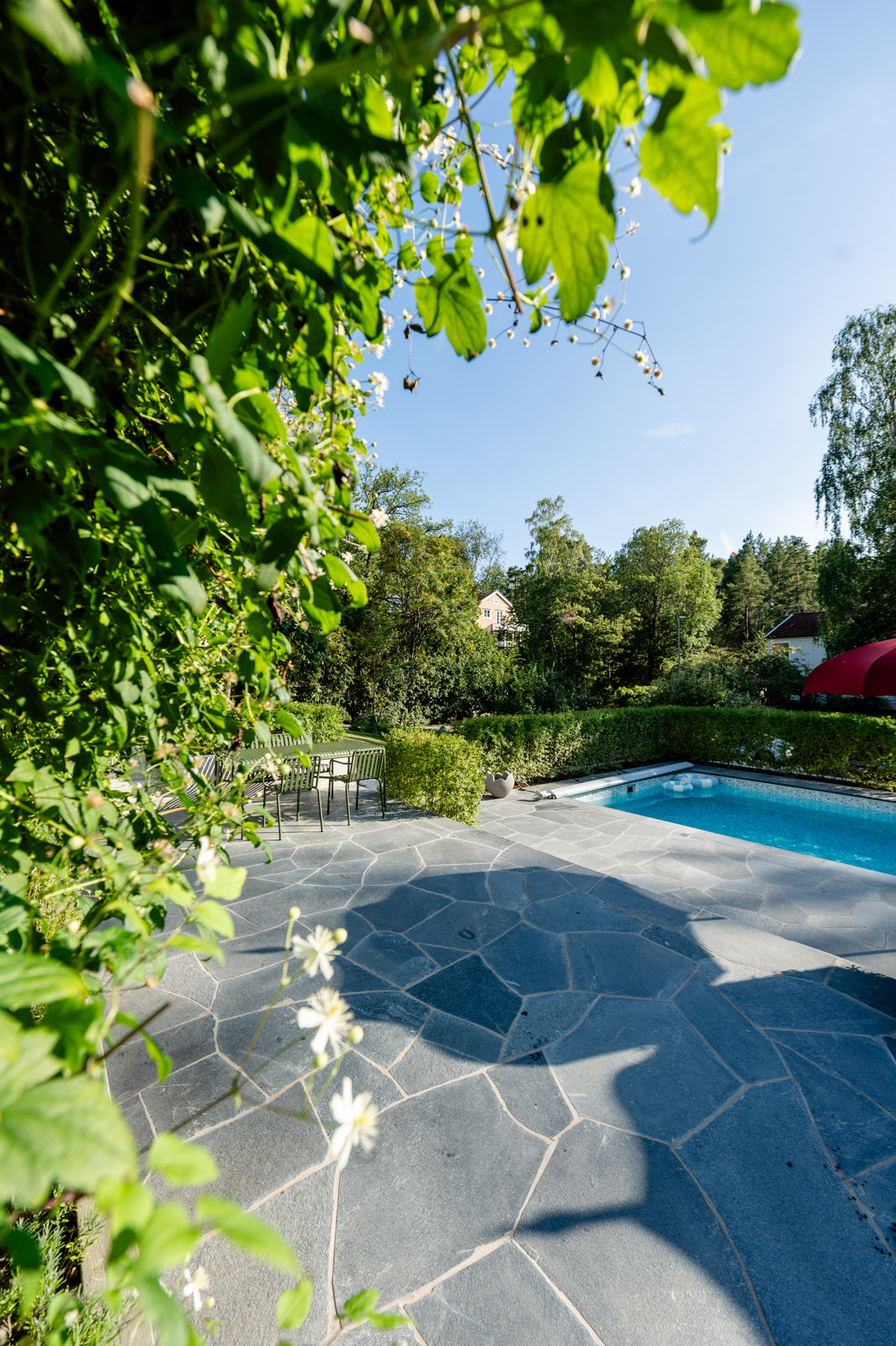
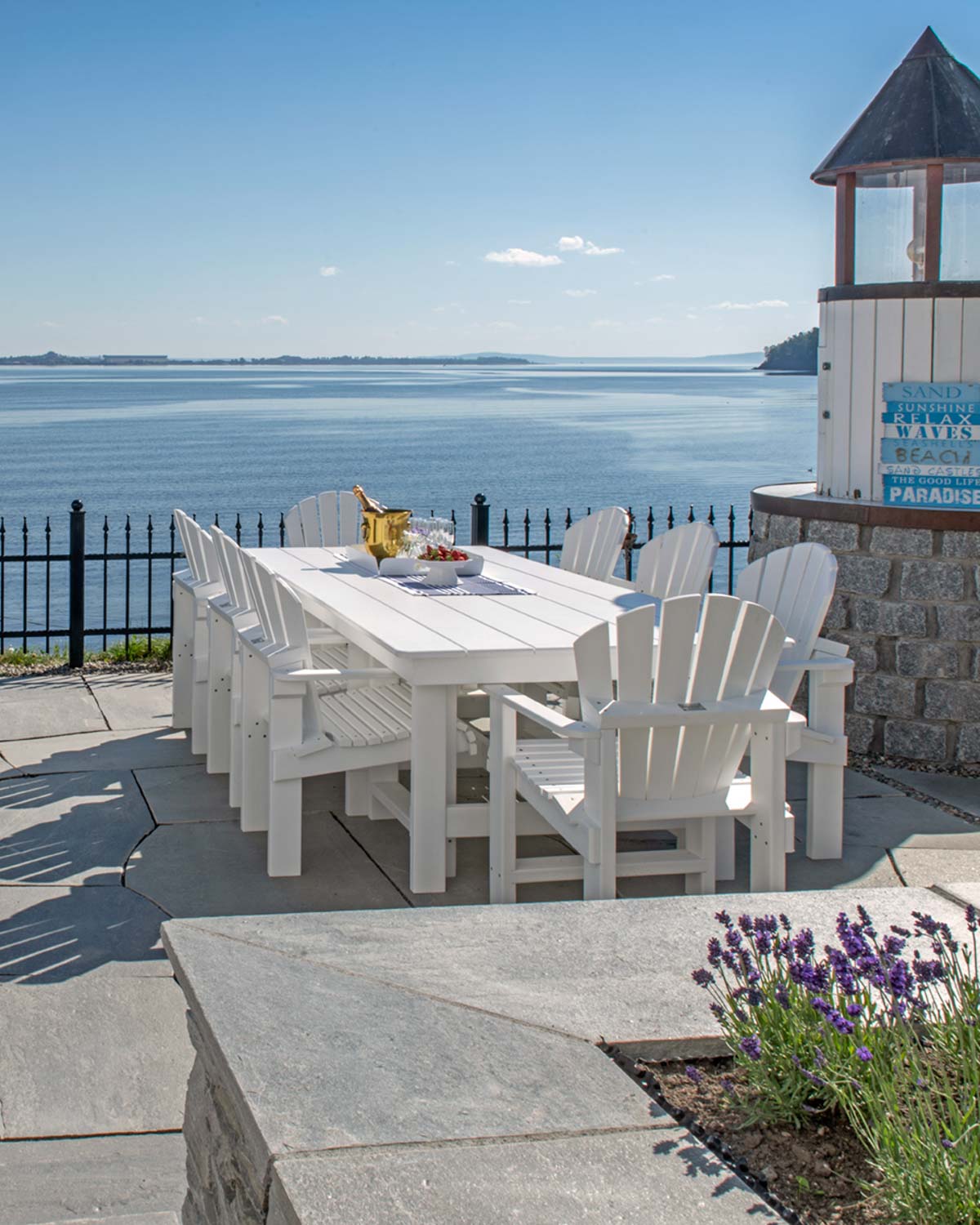
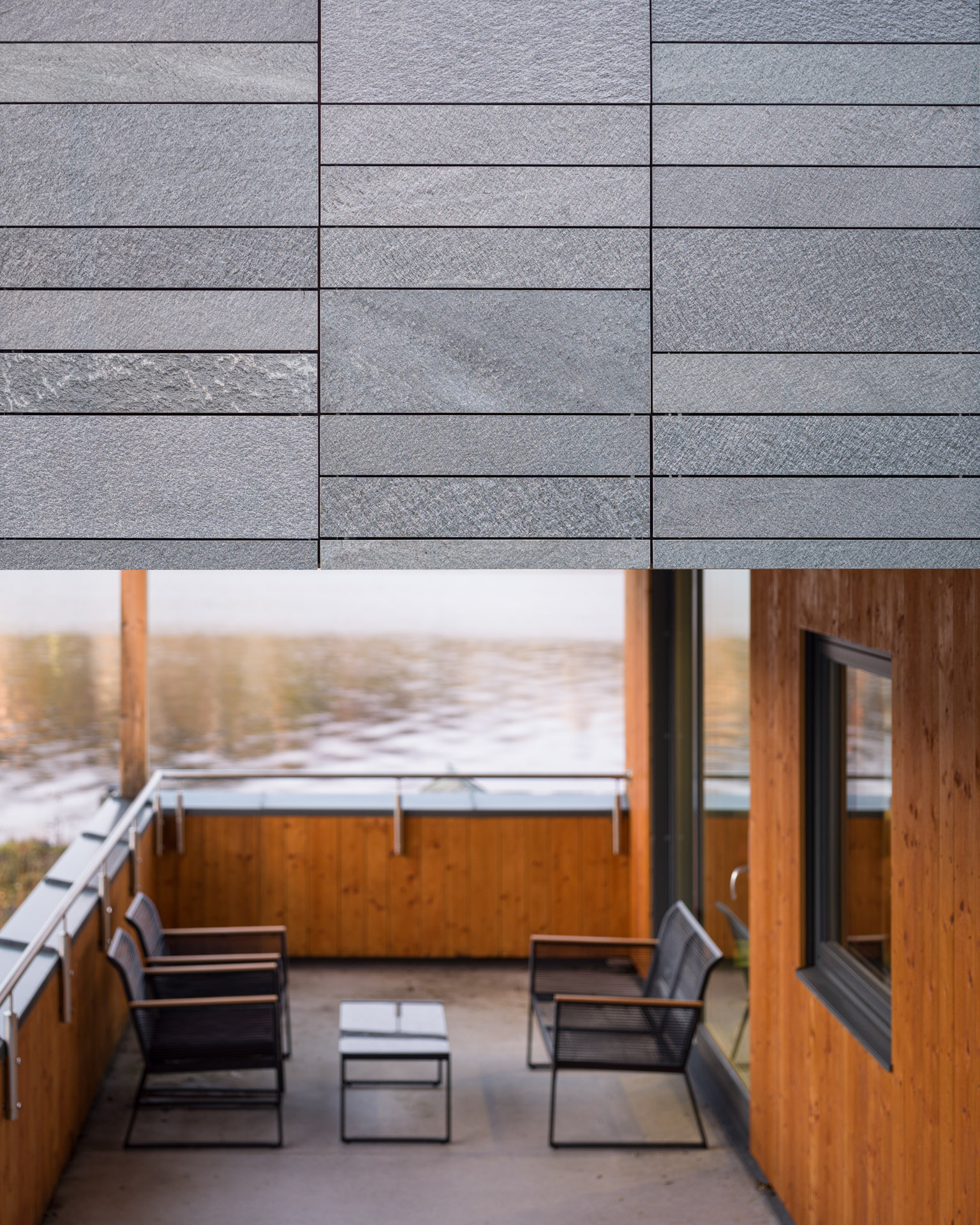
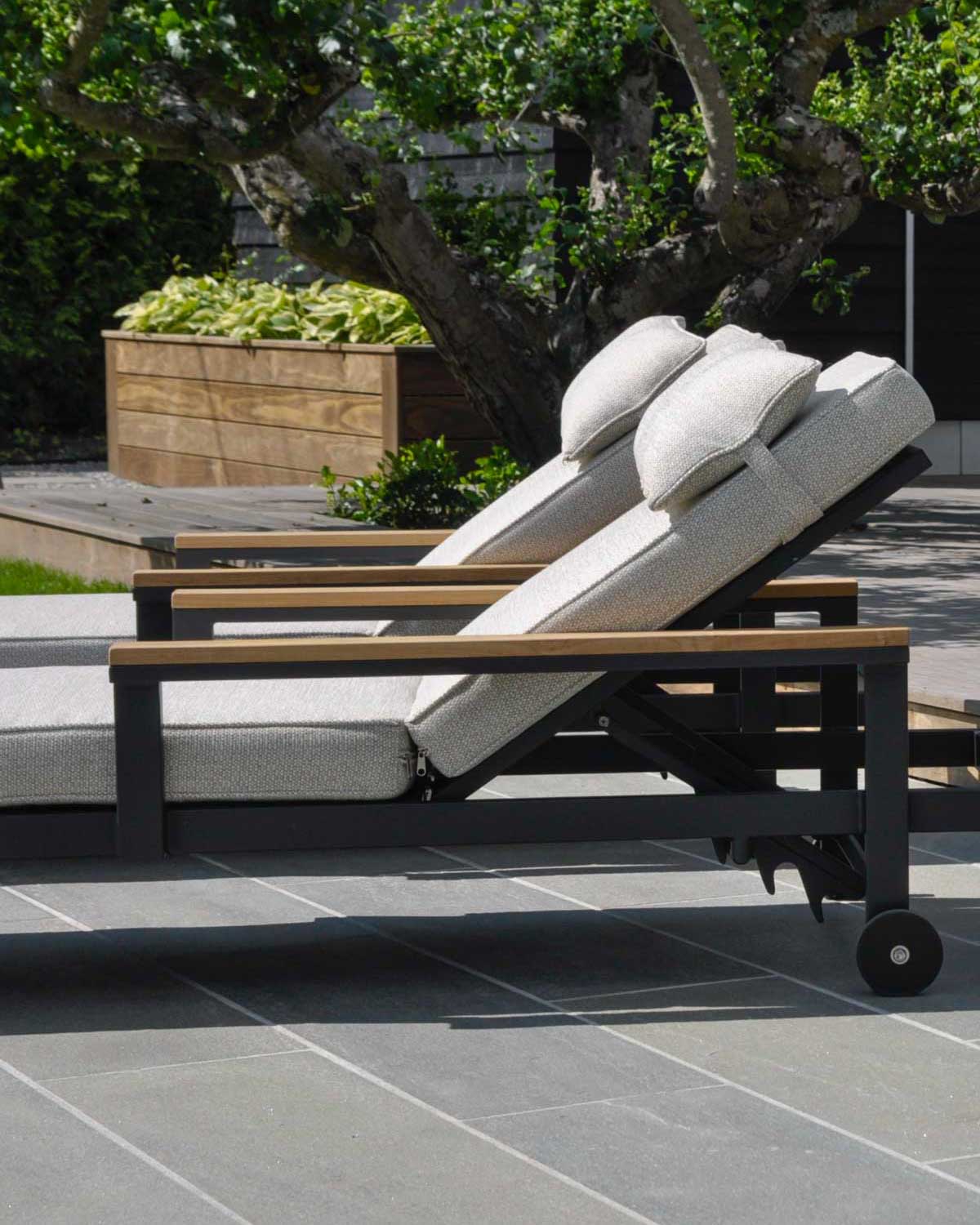
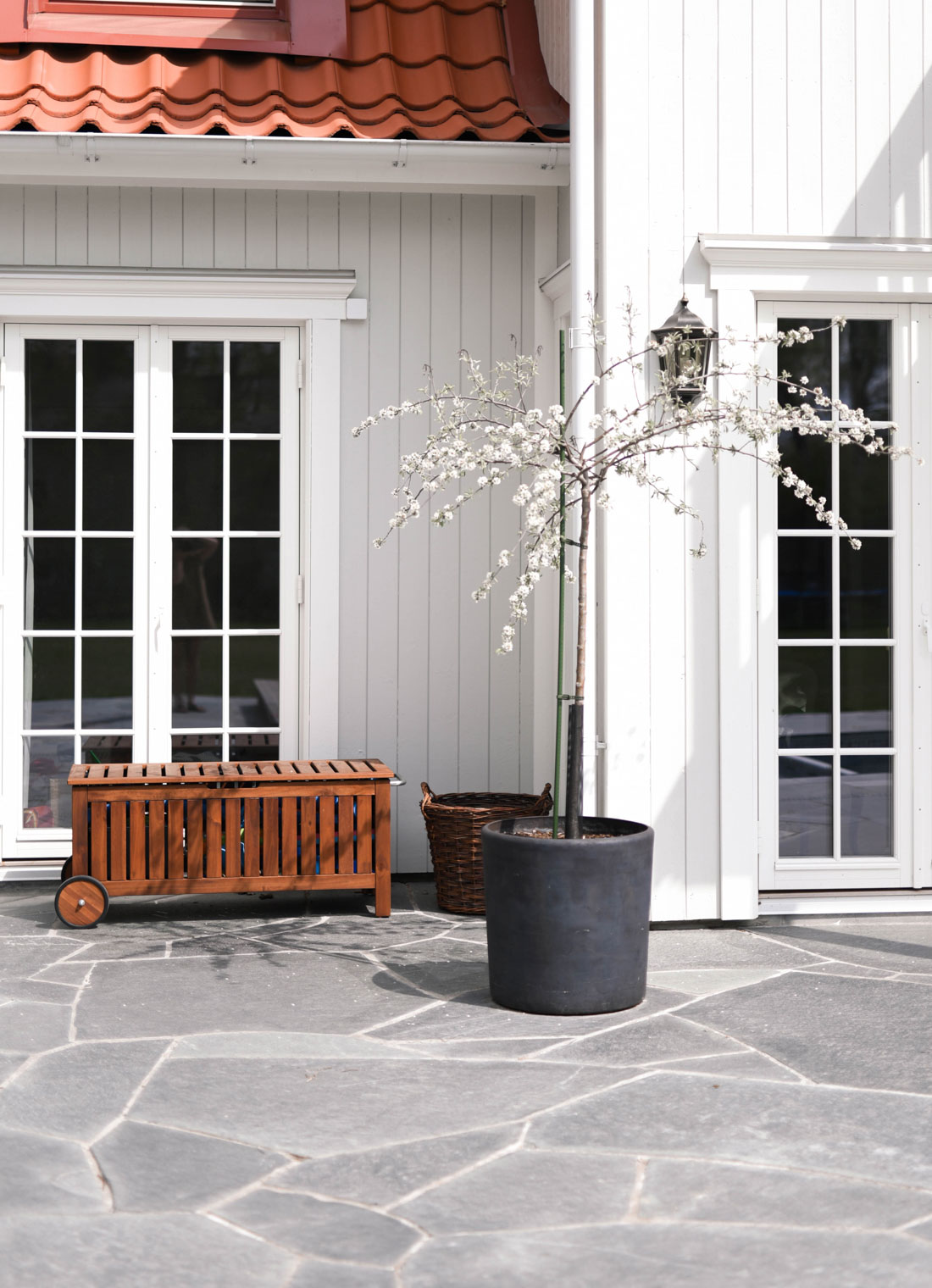
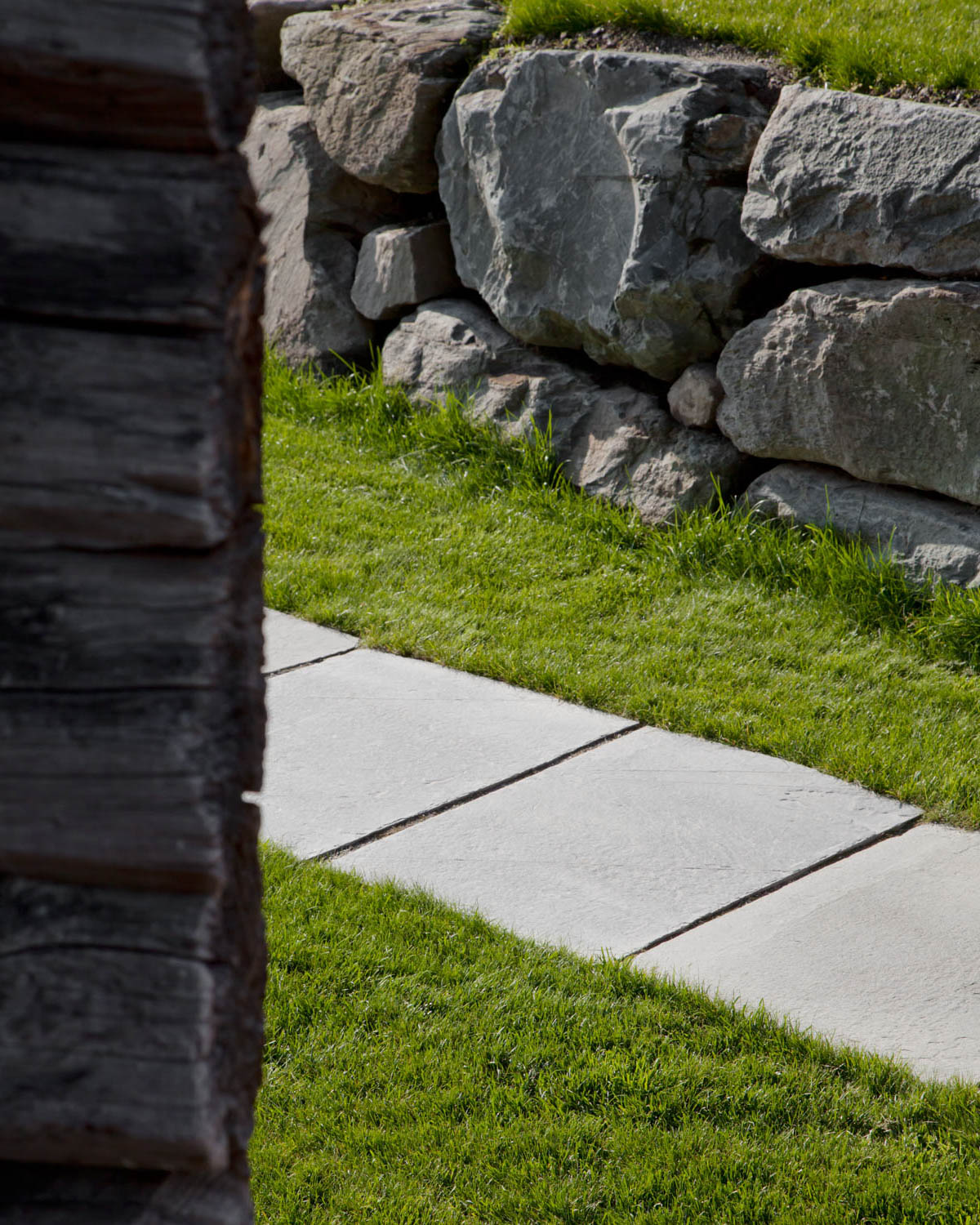
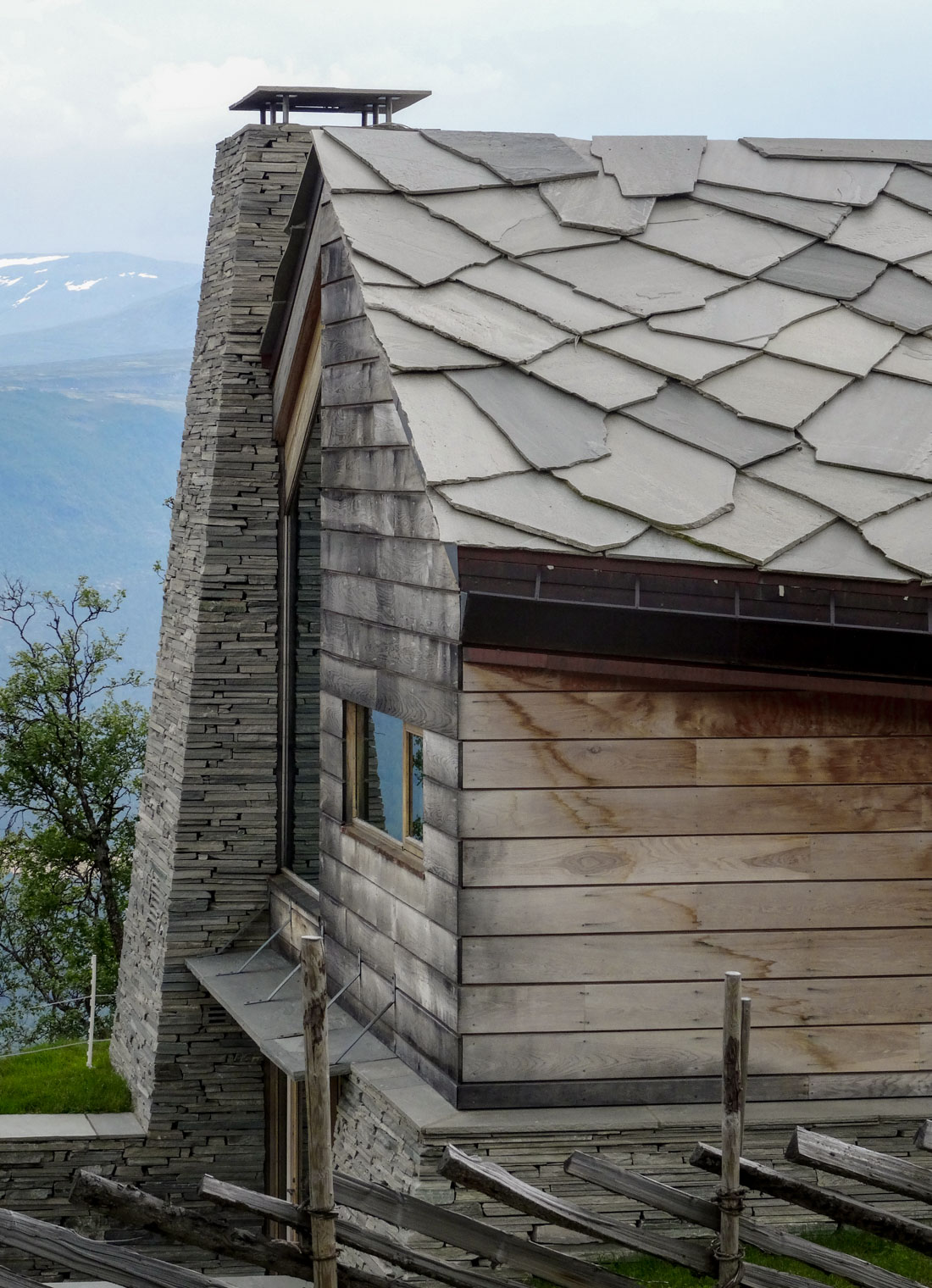
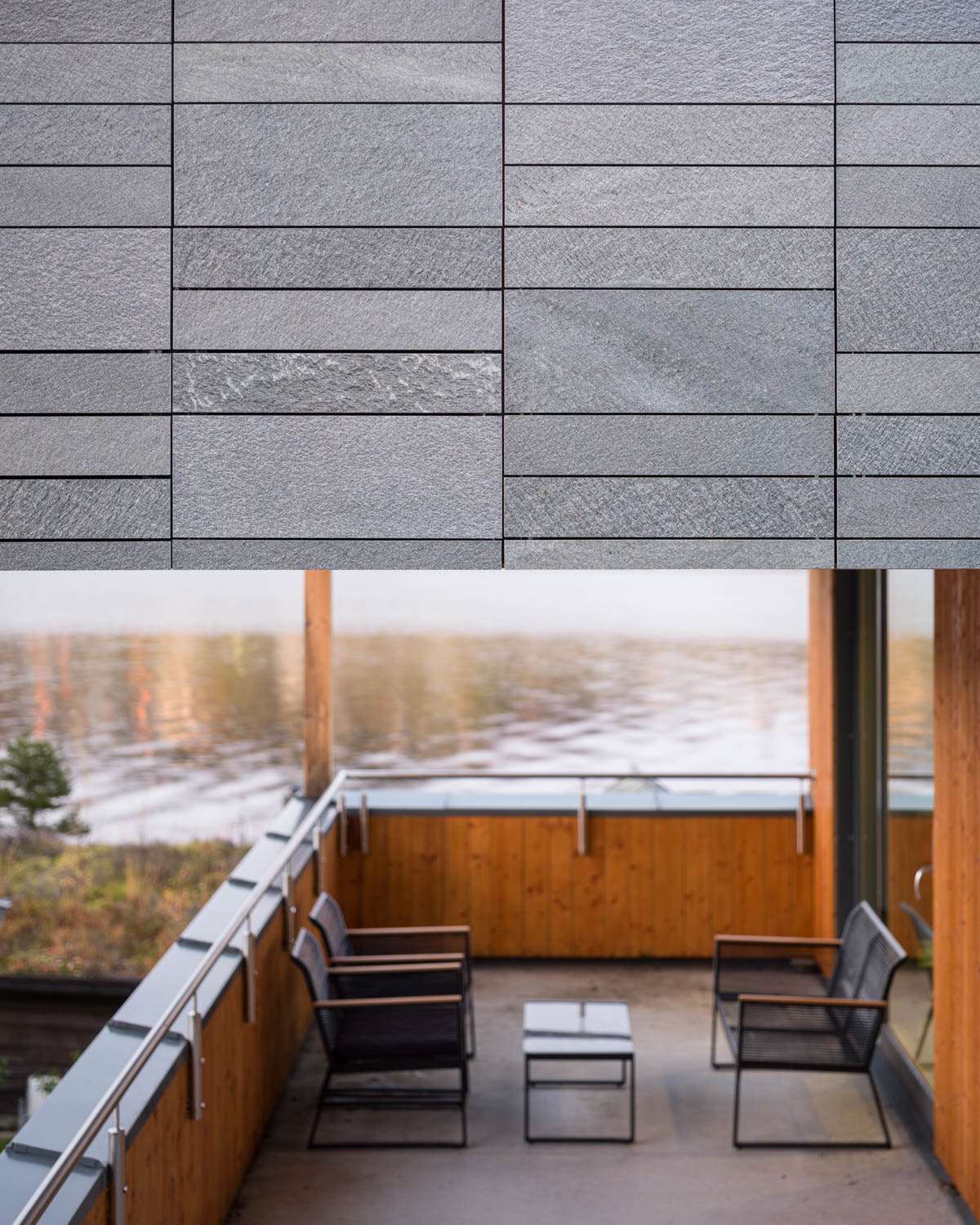
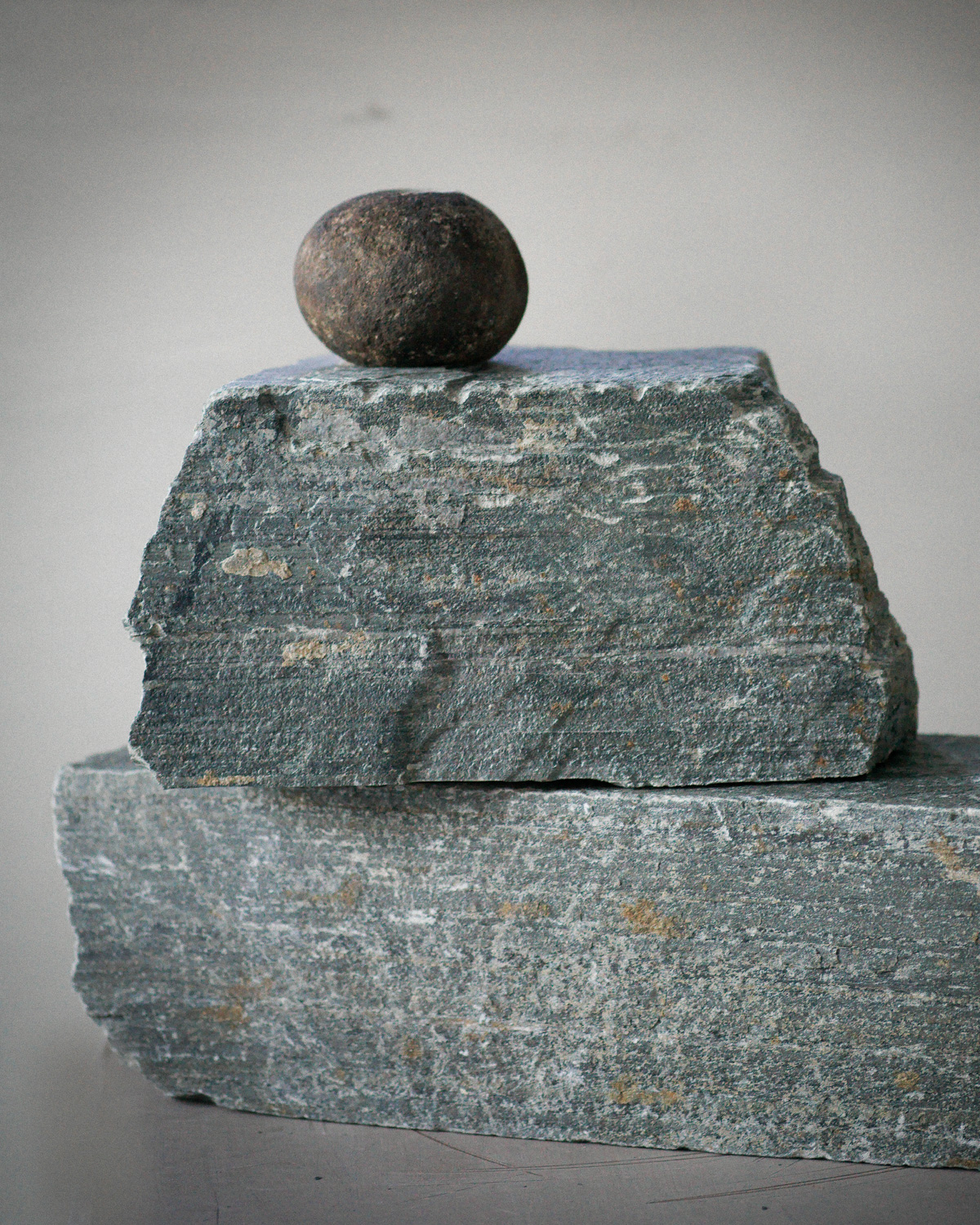
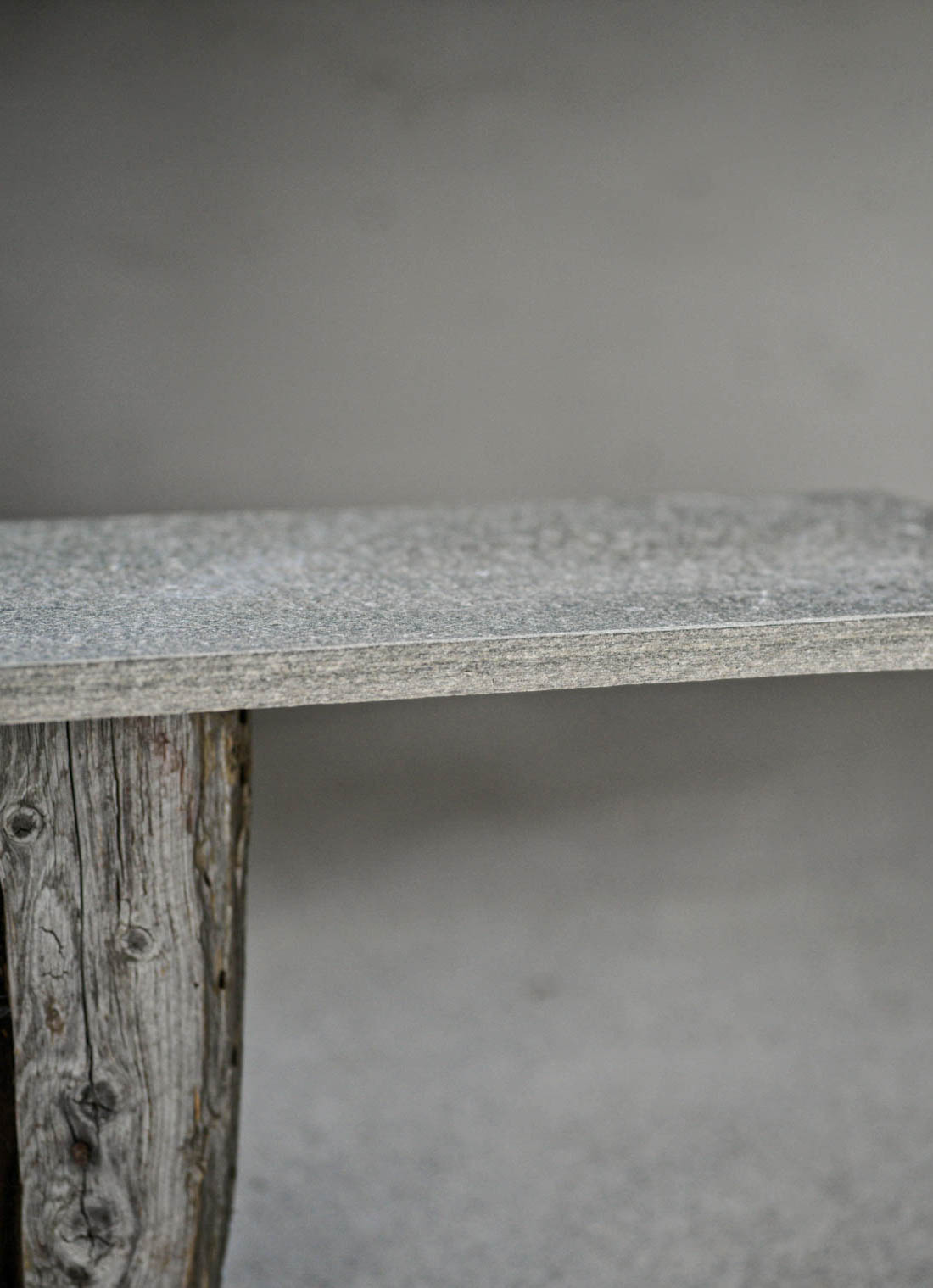
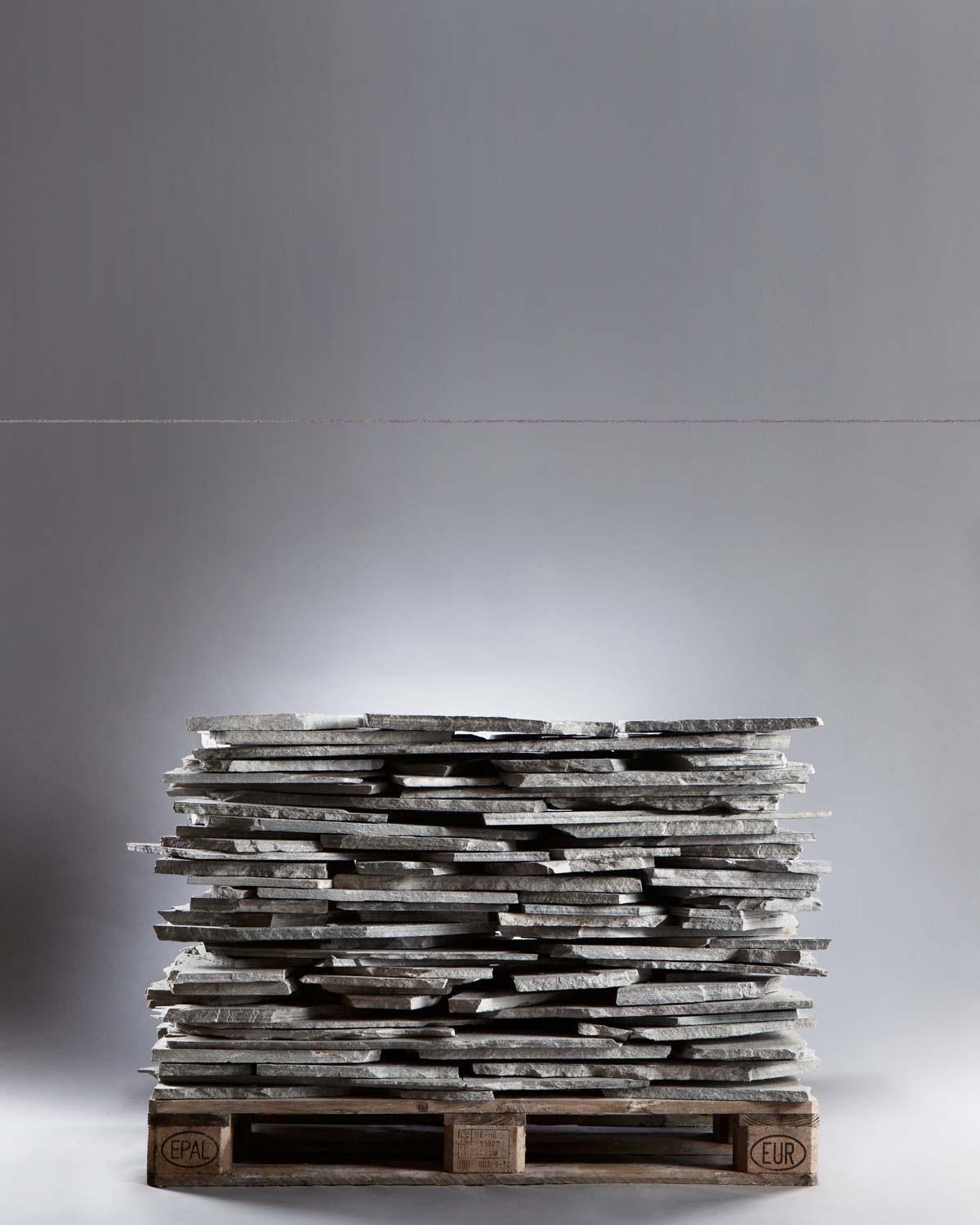
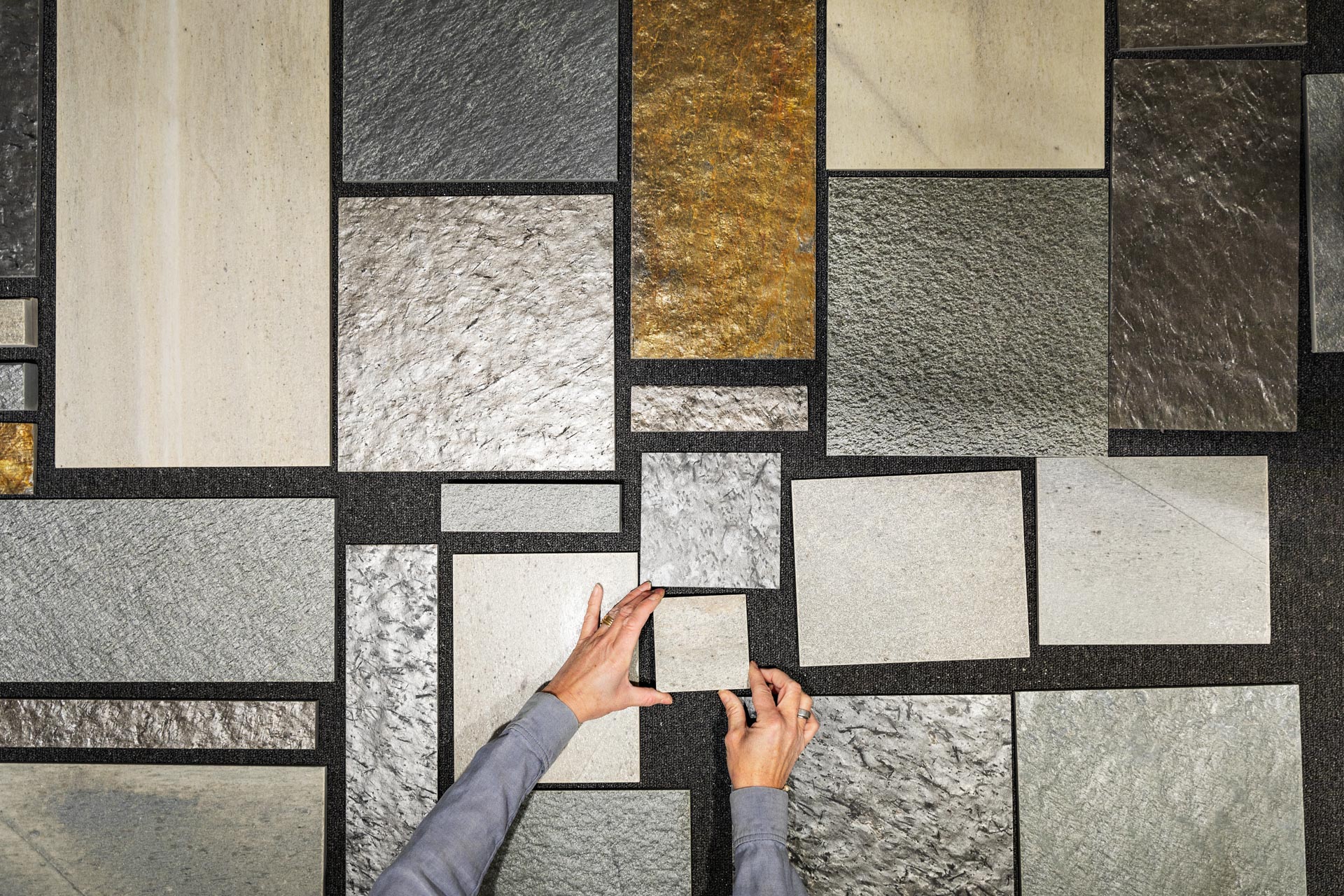
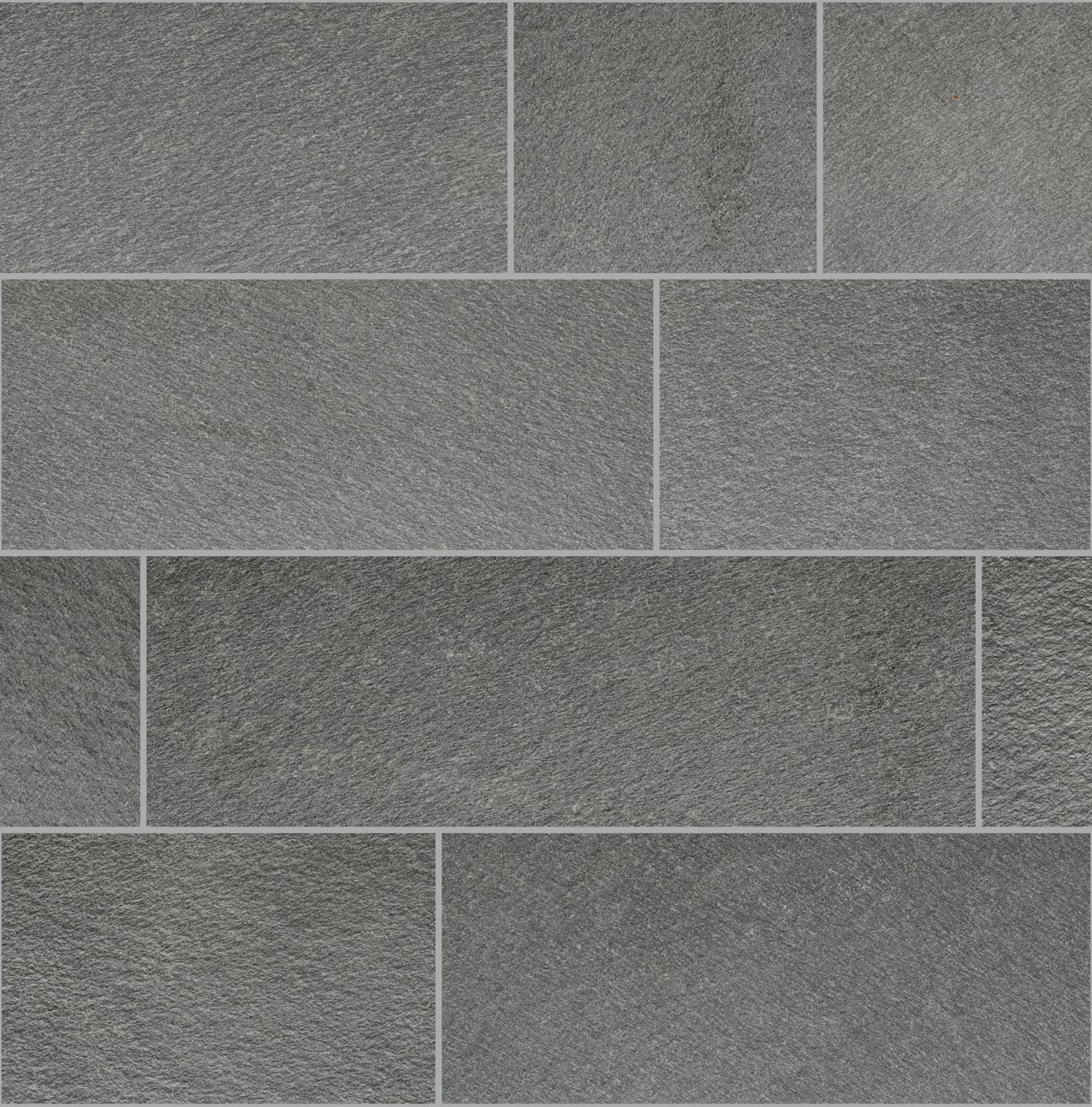
The terrace surrounding the pool was built using irregular slate from Offerdal. The choice was both visual and practical.
– We considered both granite and limestone, but limestone doesn’t tolerate pool chlorine as well. Slate creates a softer transition to the natural surroundings, Lova explains.
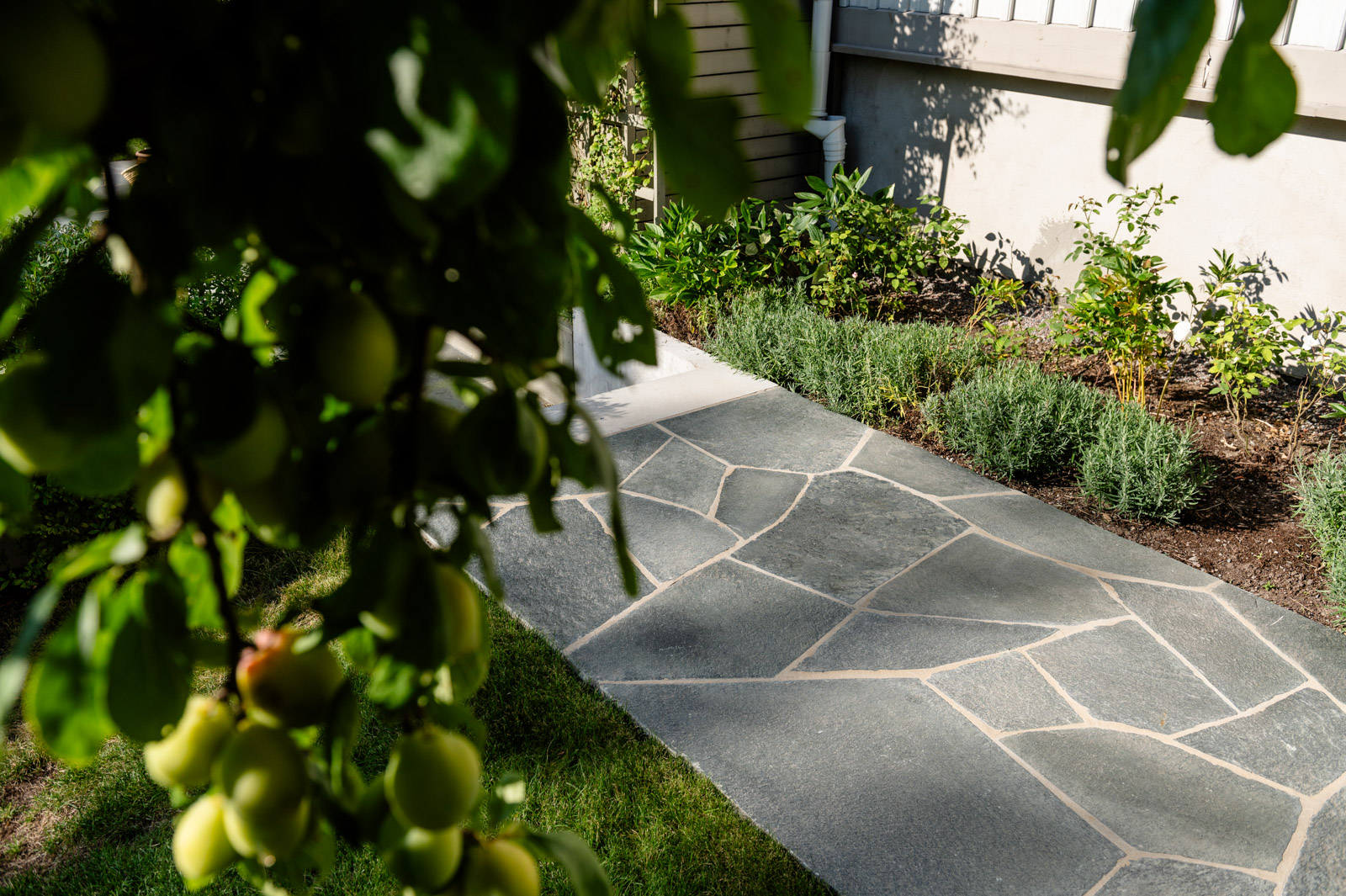
The irregular format breaks up the surface and prevents the terrace from feeling rigid or artificial. Instead, it becomes a natural extension of the landscape.
At the same time, the material offers important functional benefits:
The deep grey tones of the slate also enhance the connection to the surrounding woodland.


A key objective in the project was to avoid one large, open space.
– We didn’t want the terrace to feel like a stage.
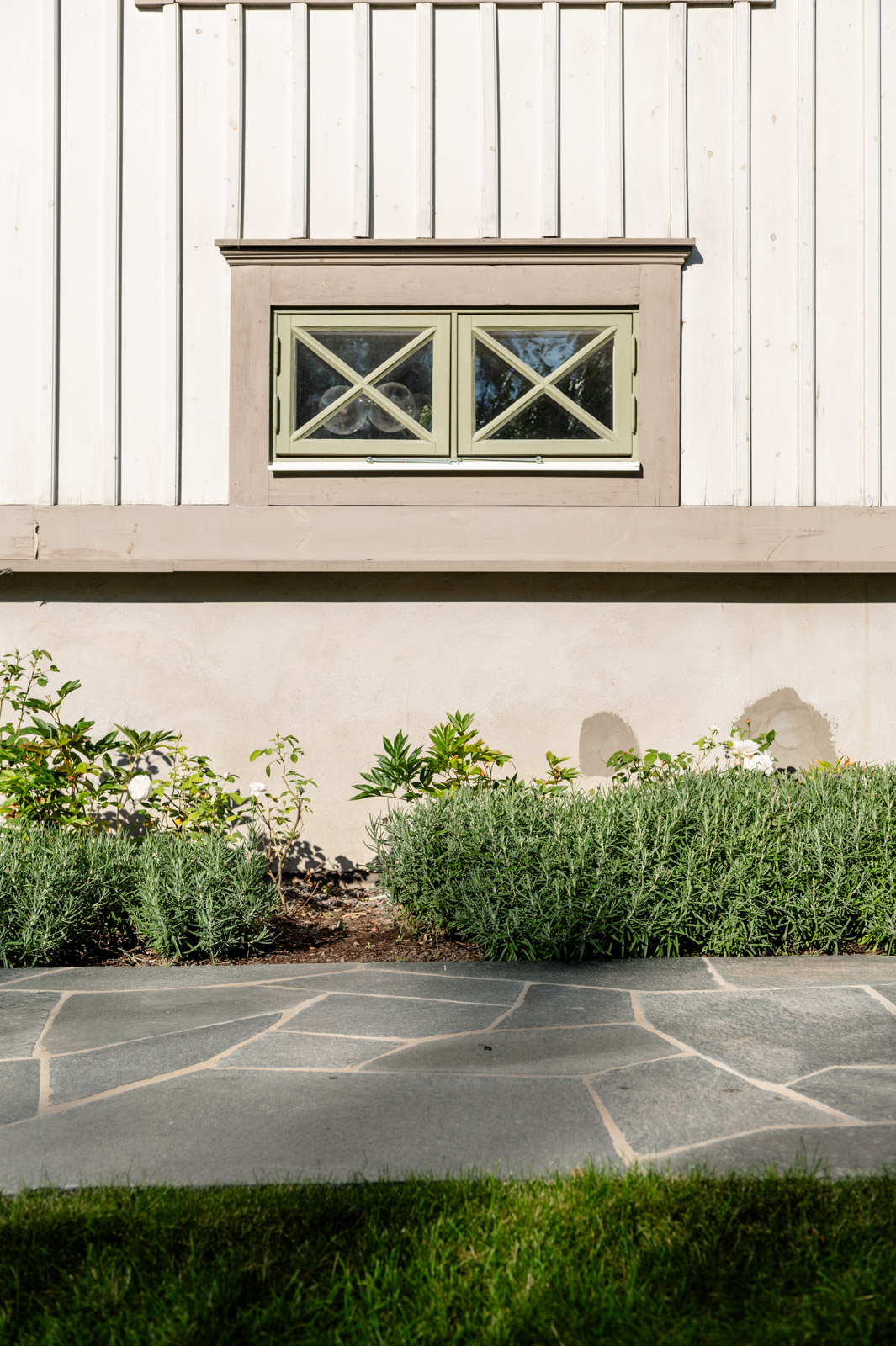
Instead, planting and structure were integrated directly into the terrace. Low hedges and planting beds divide the space and create clearly defined zones.
– When you introduce boundaries, the experience changes completely. You’re no longer standing on a surface – you’re in a space.
These principles apply regardless of size:
Even on smaller terraces, trellises and climbing plants can create structure without taking up much space.


According to Lova, the same mistakes appear again and again.
– People tend to think too small, especially when it comes to planting.
– If you’re planting lavender, buy many. Not just a few.
Repetition creates cohesion and calm. The same applies to materials.
– Use fewer materials. Too many choices make the garden feel fragmented.
In this project, the slate acts as a unifying element that ties the different zones together.


For Lova, garden design goes beyond the outdoor space itself.
– The garden is an extension of the home.
It should function practically, but also be experienced – even from indoors.
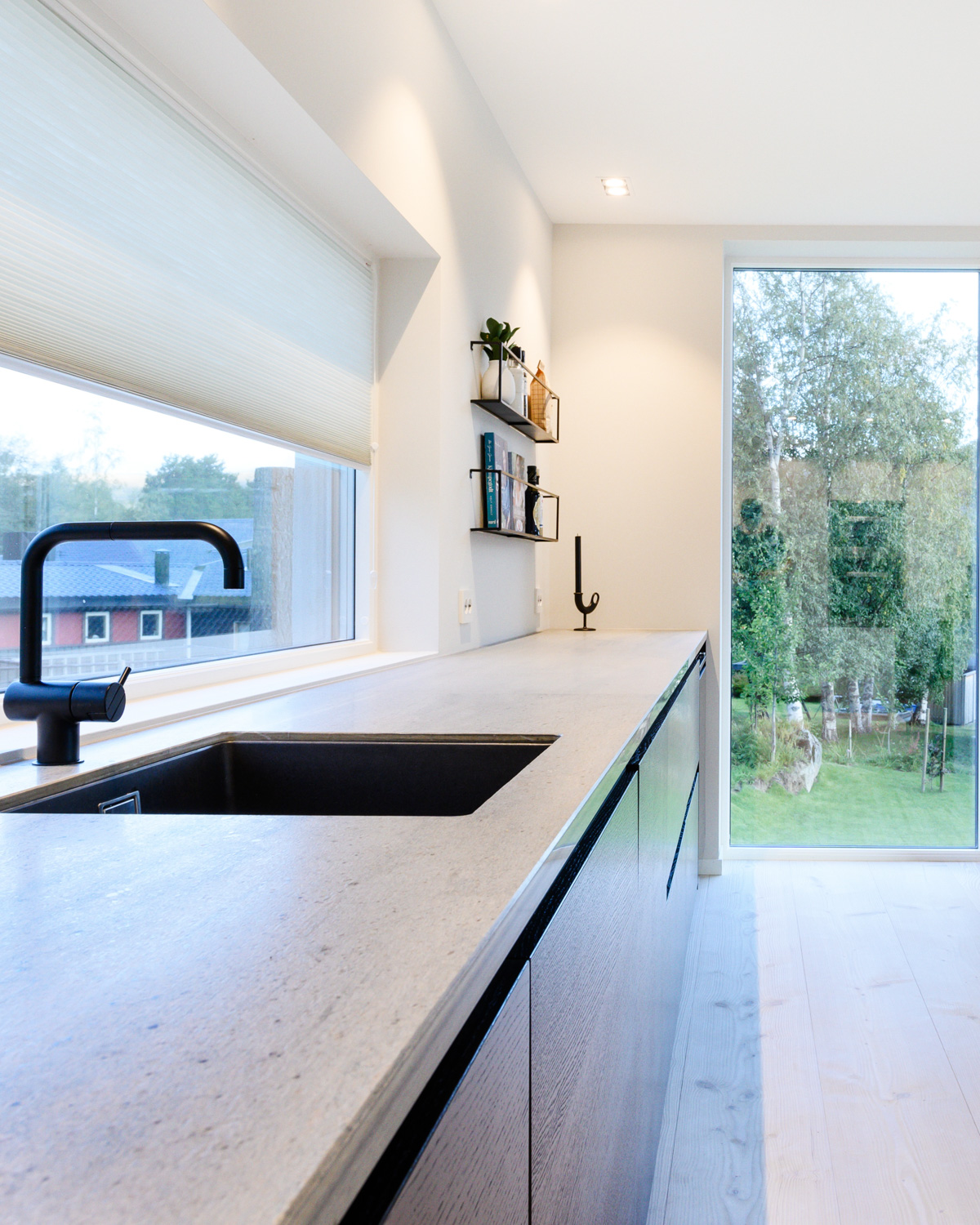
– Even when you’re inside, you should have something to look at.
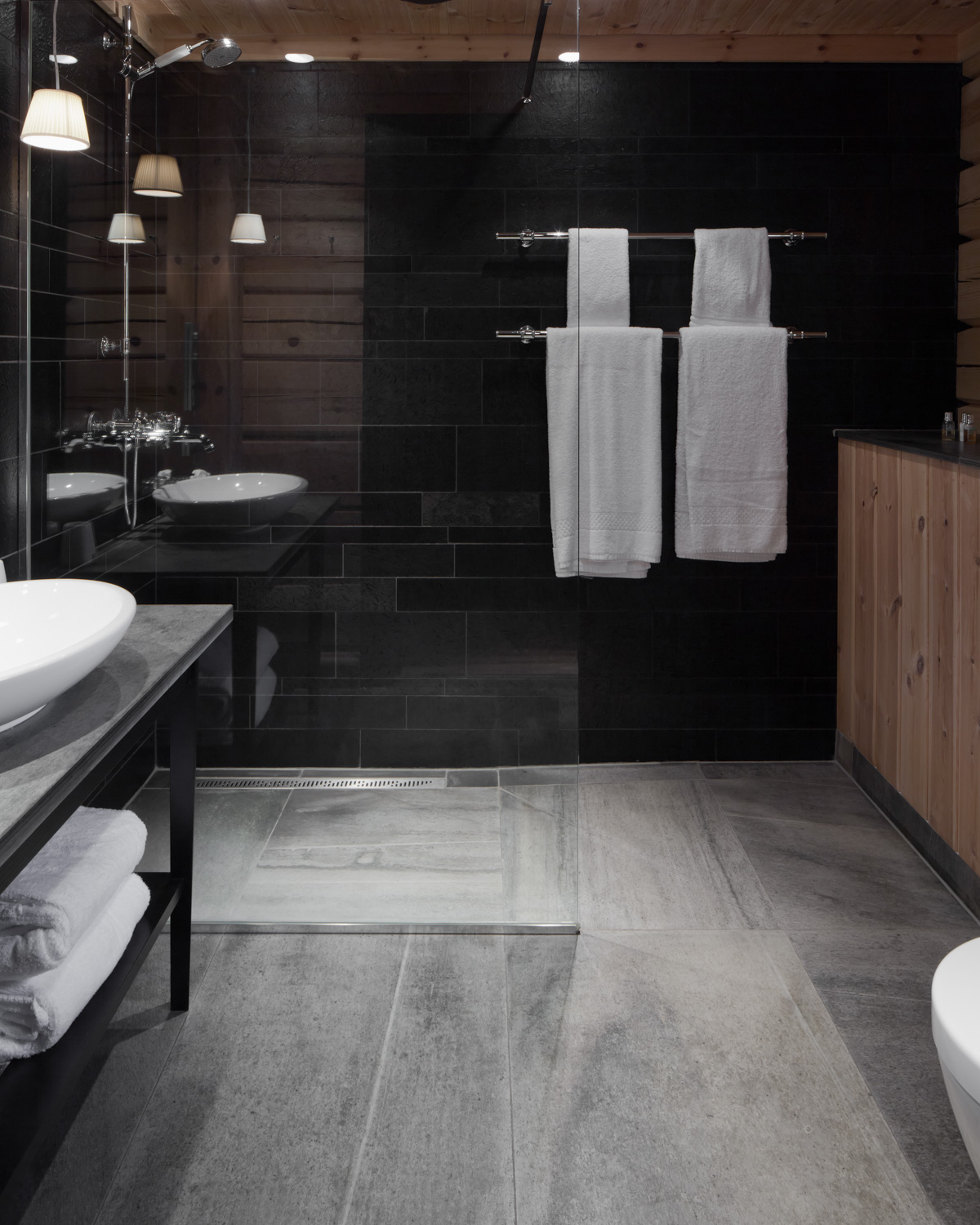
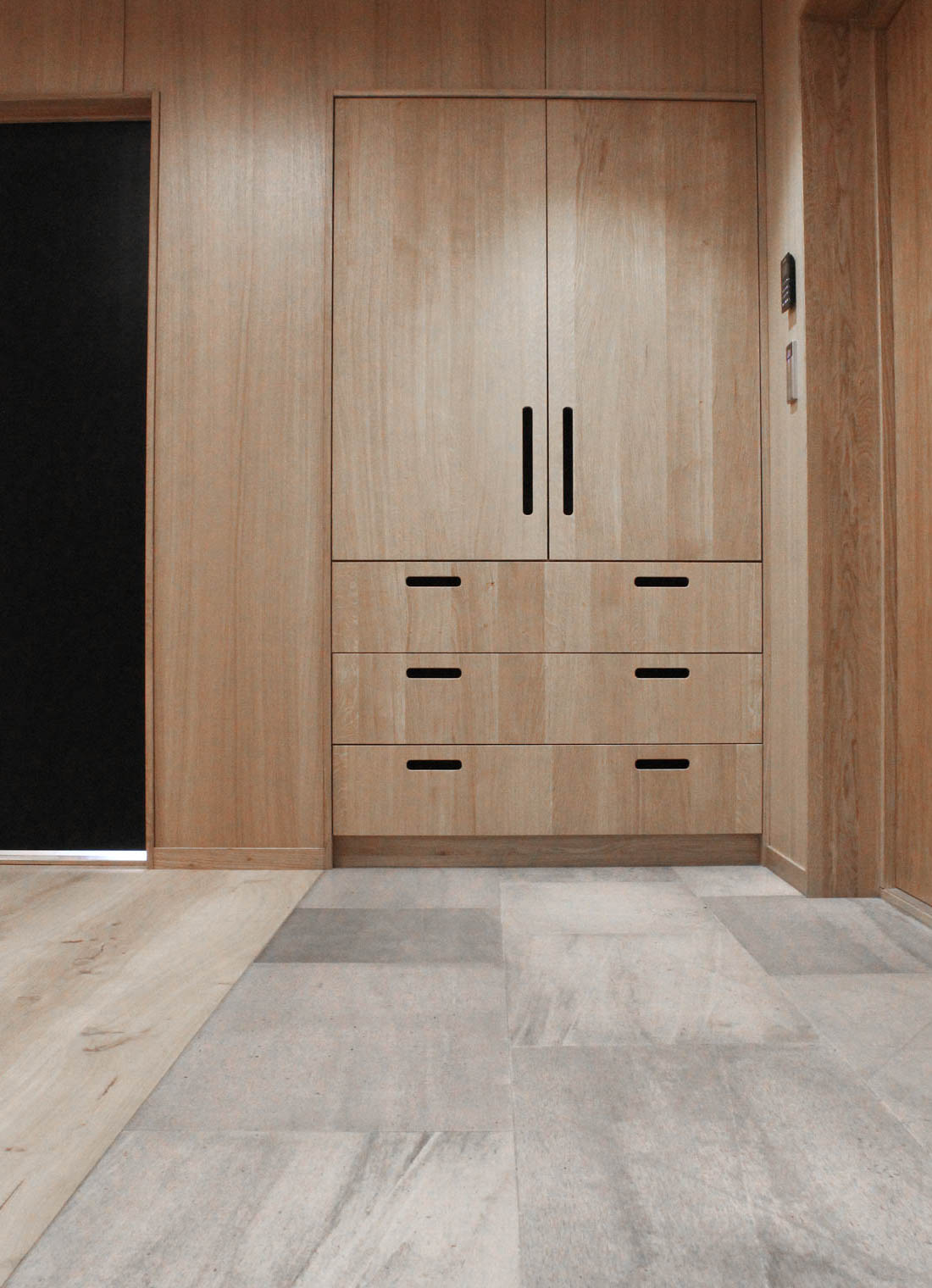
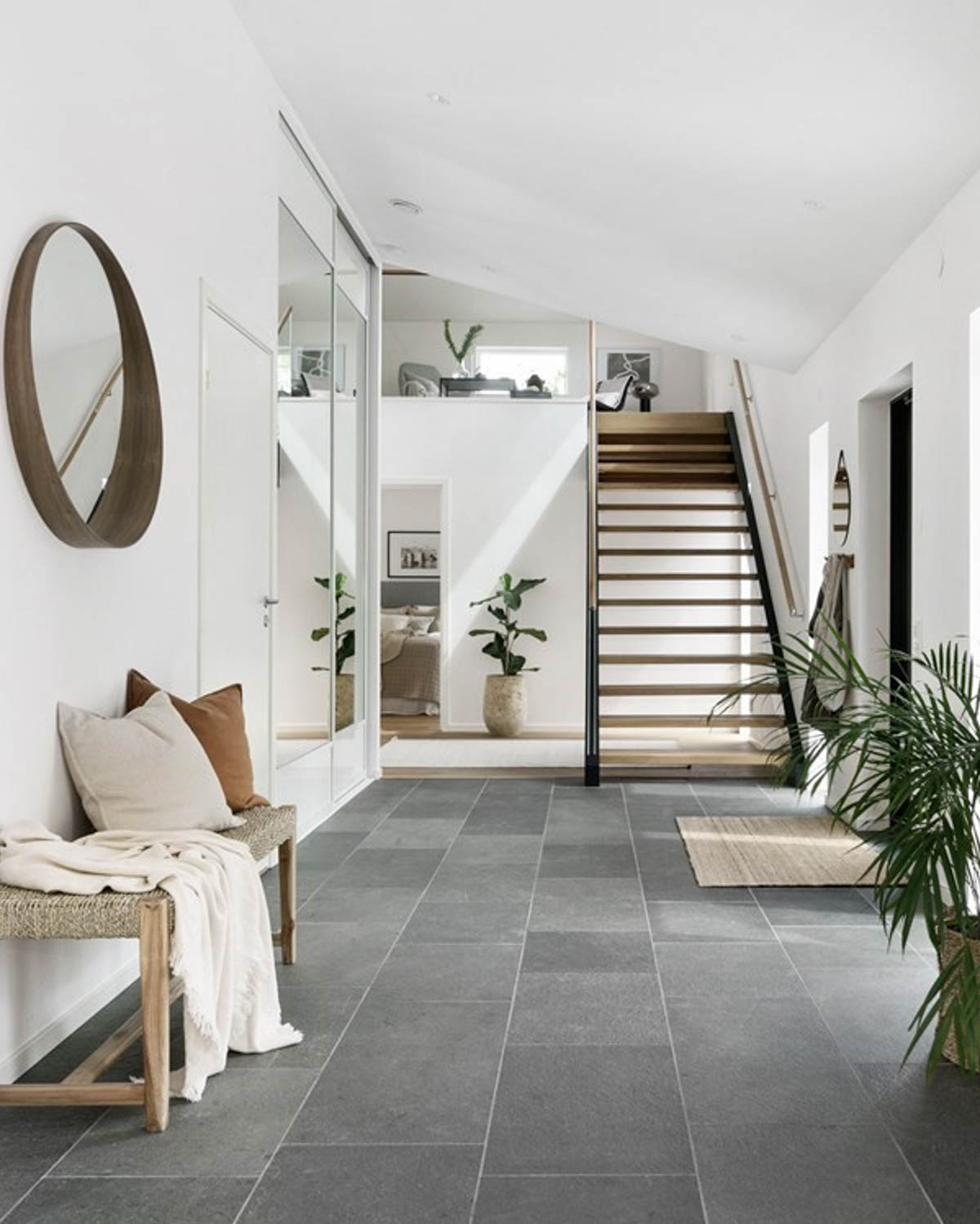
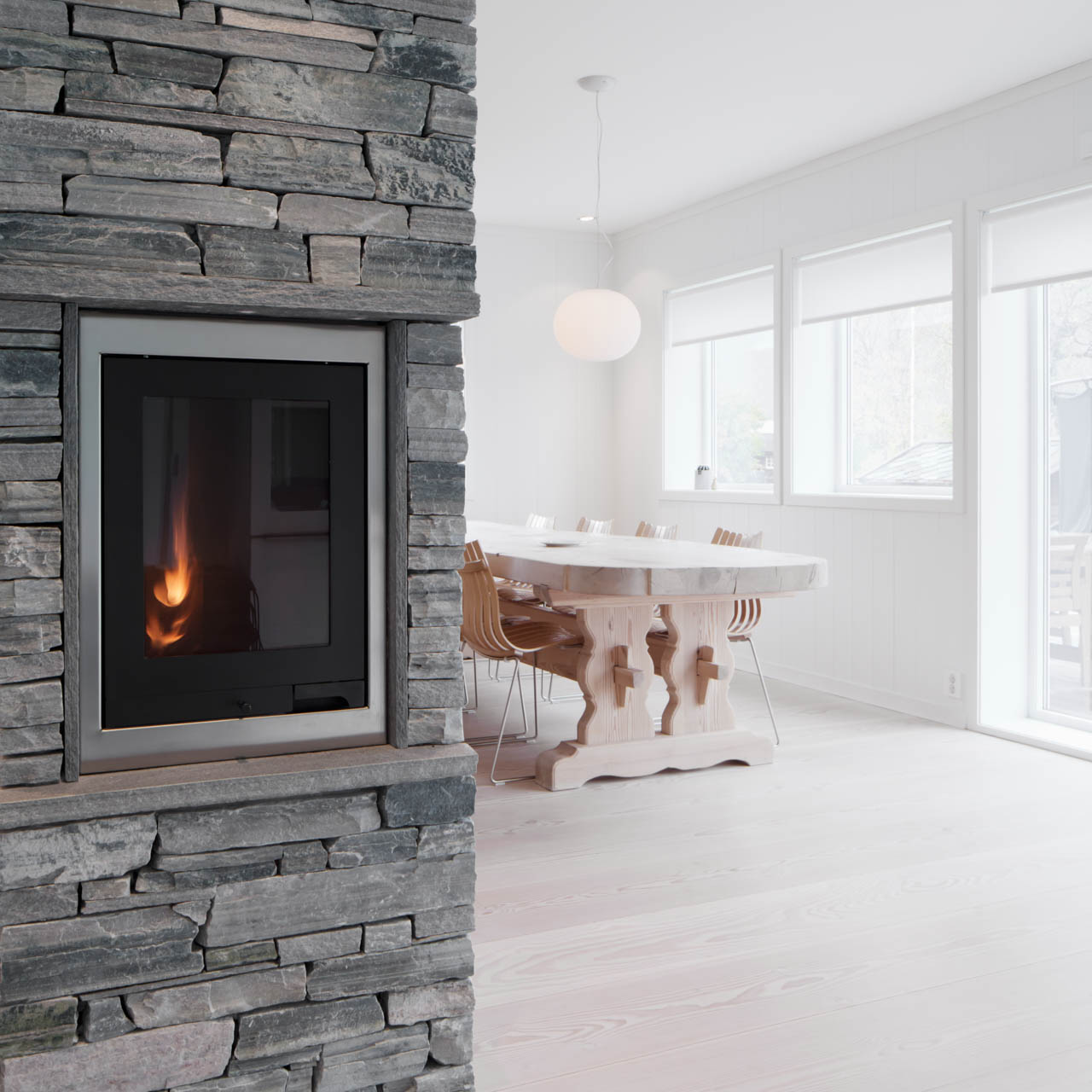
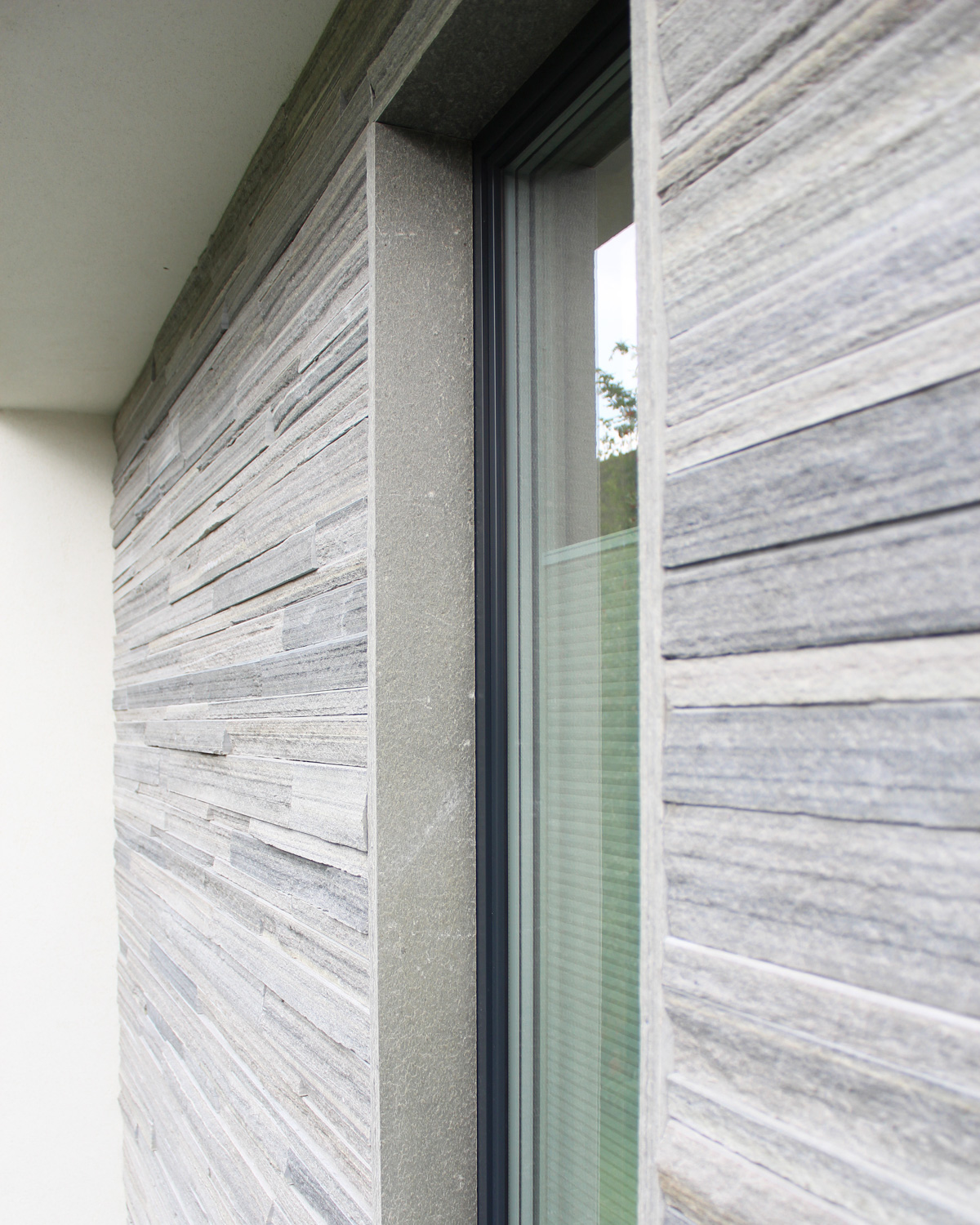
Material choices play an important role here. Slate works well both outdoors and indoors, helping to blur the boundary between spaces.
The result is a garden that not only functions well in everyday life, but also feels like a natural part of the home.
“You have to dare to think bigger than you think.”
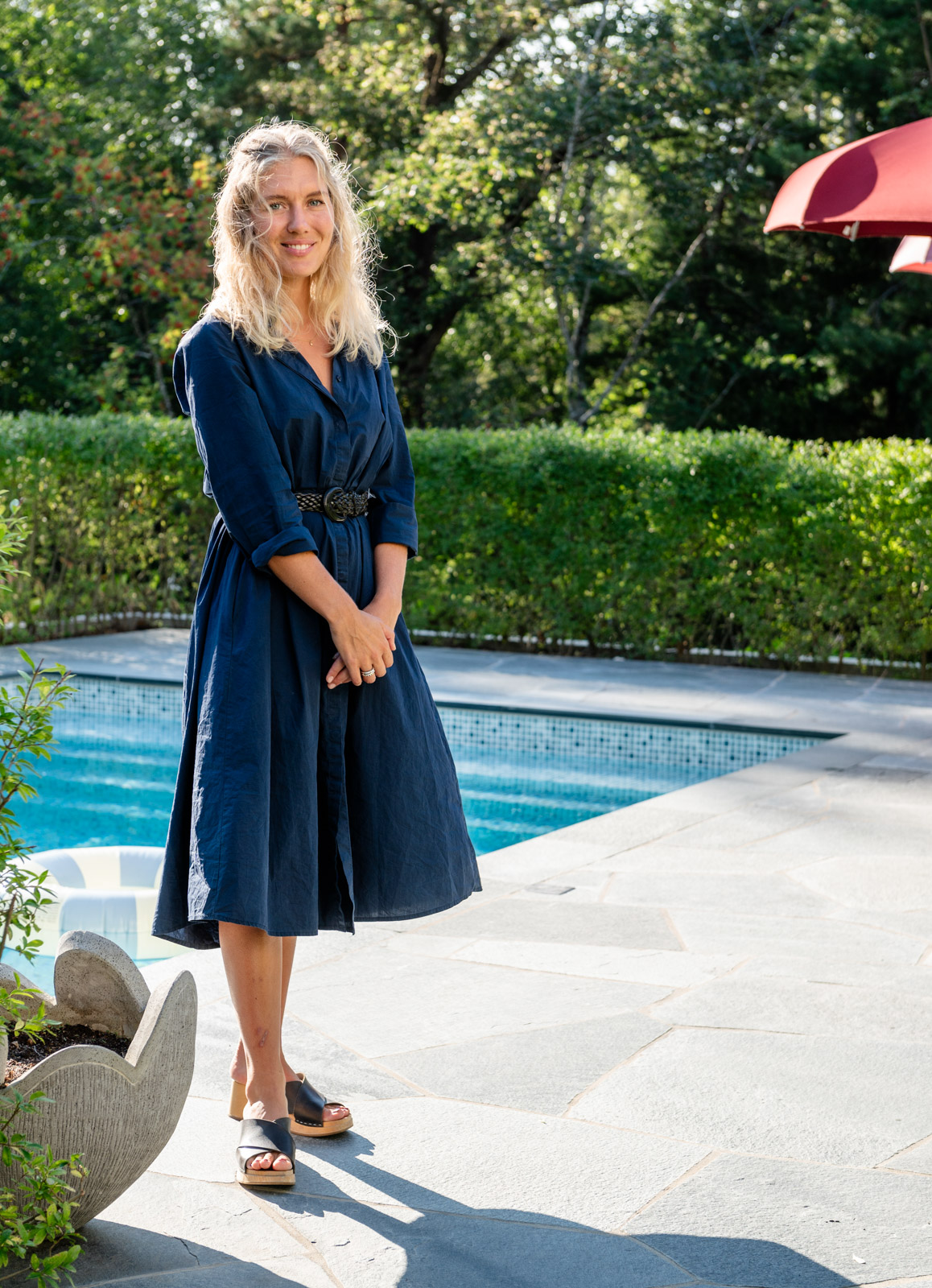
Lova Lindberg
Garden Designer – Ground Studio