


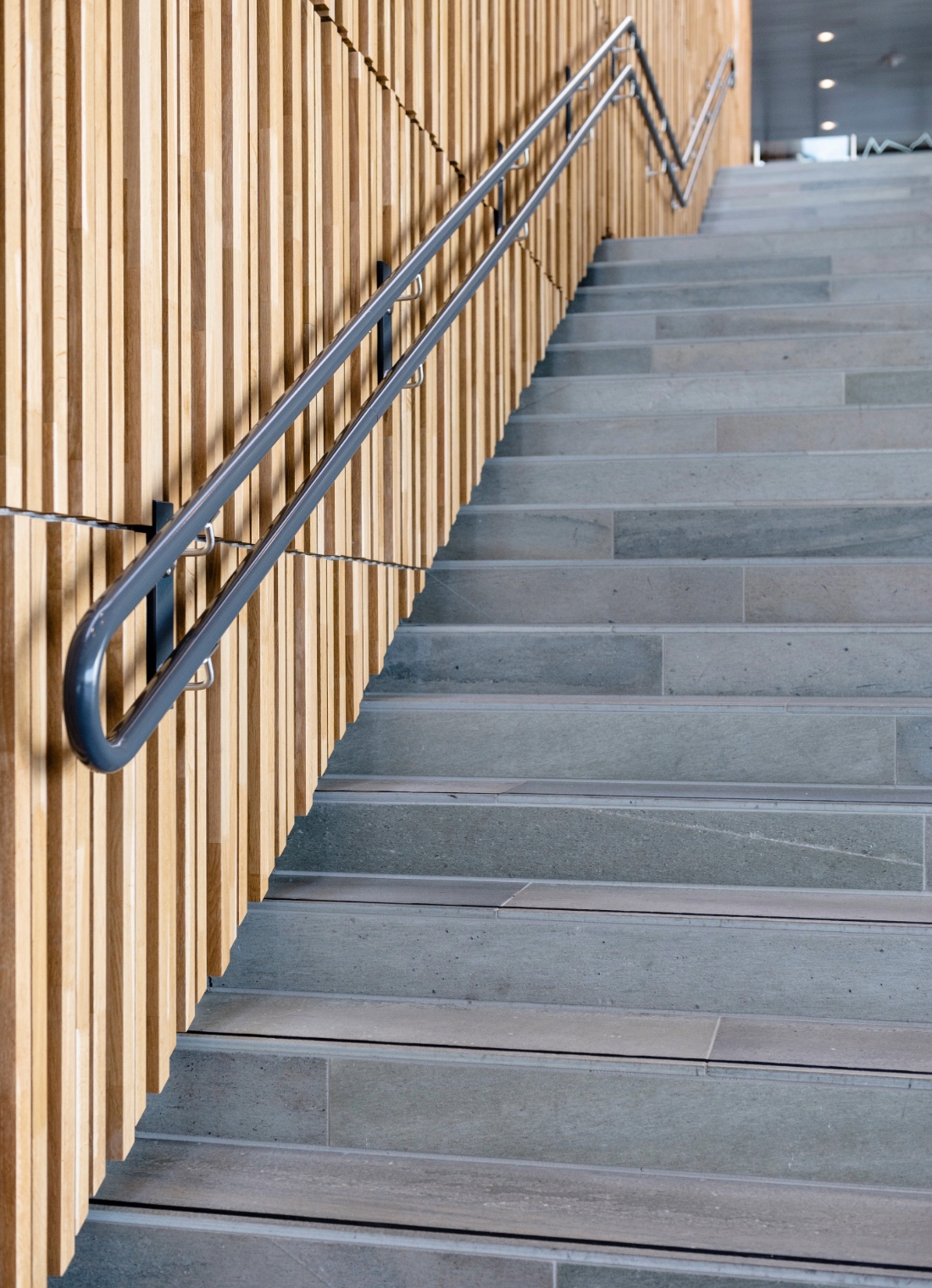
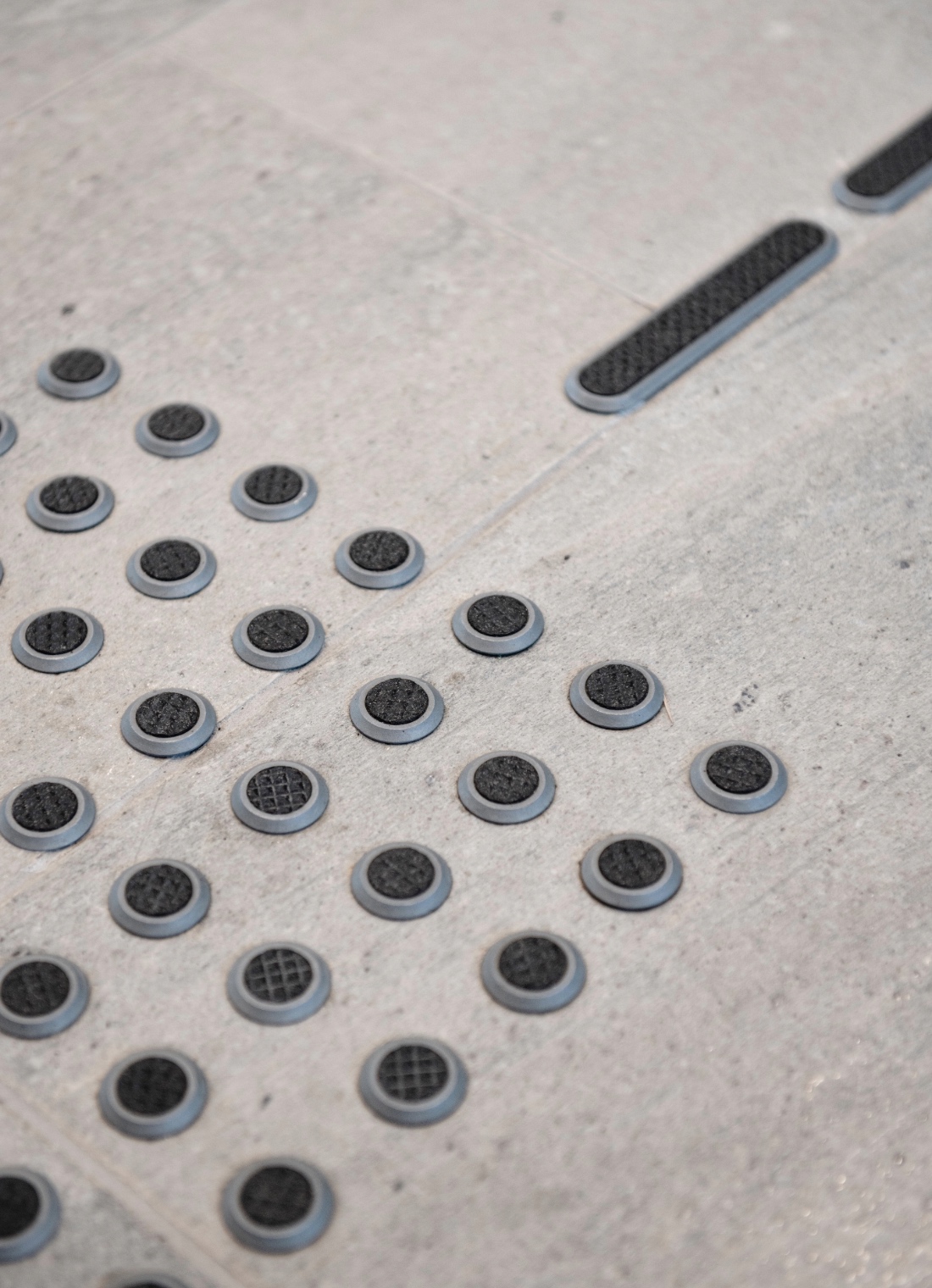

Natural forest garden in slate
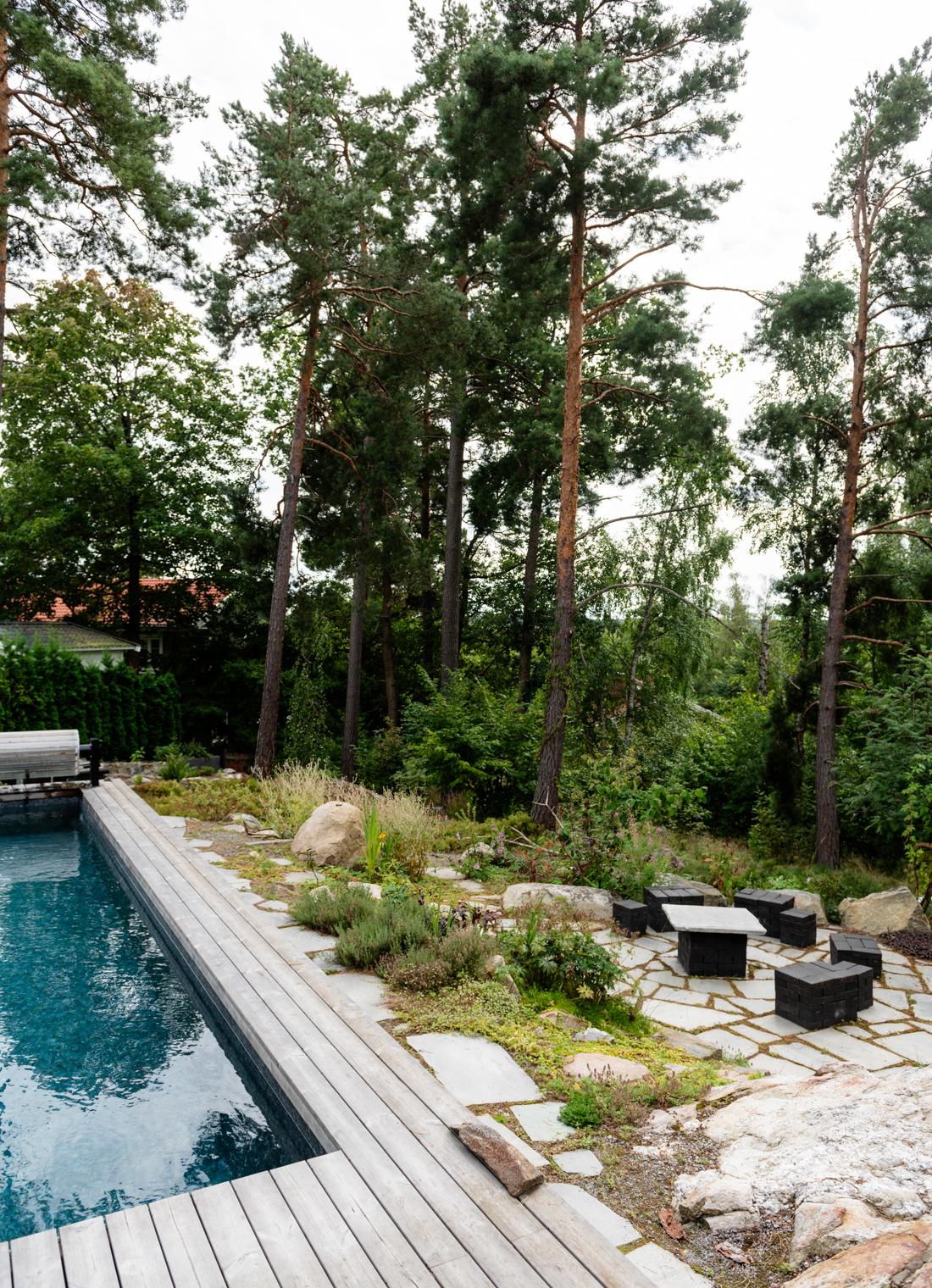
A garden doesn’t have to be finished or perfect. In this forest garden, natural materials, slate and an intentionally imperfect approach are used to create an outdoor space that can evolve over time.

When architect Julia Eriksson began working on her own garden, the starting point was a natural site.
– The plot was essentially a forest when we bought it.
The goal was not to remove the original character, but to build on it.
– It was important to me that it would still feel like a forest, even though it is a designed garden.
Rather than creating clear boundaries, the garden and nature are allowed to merge.
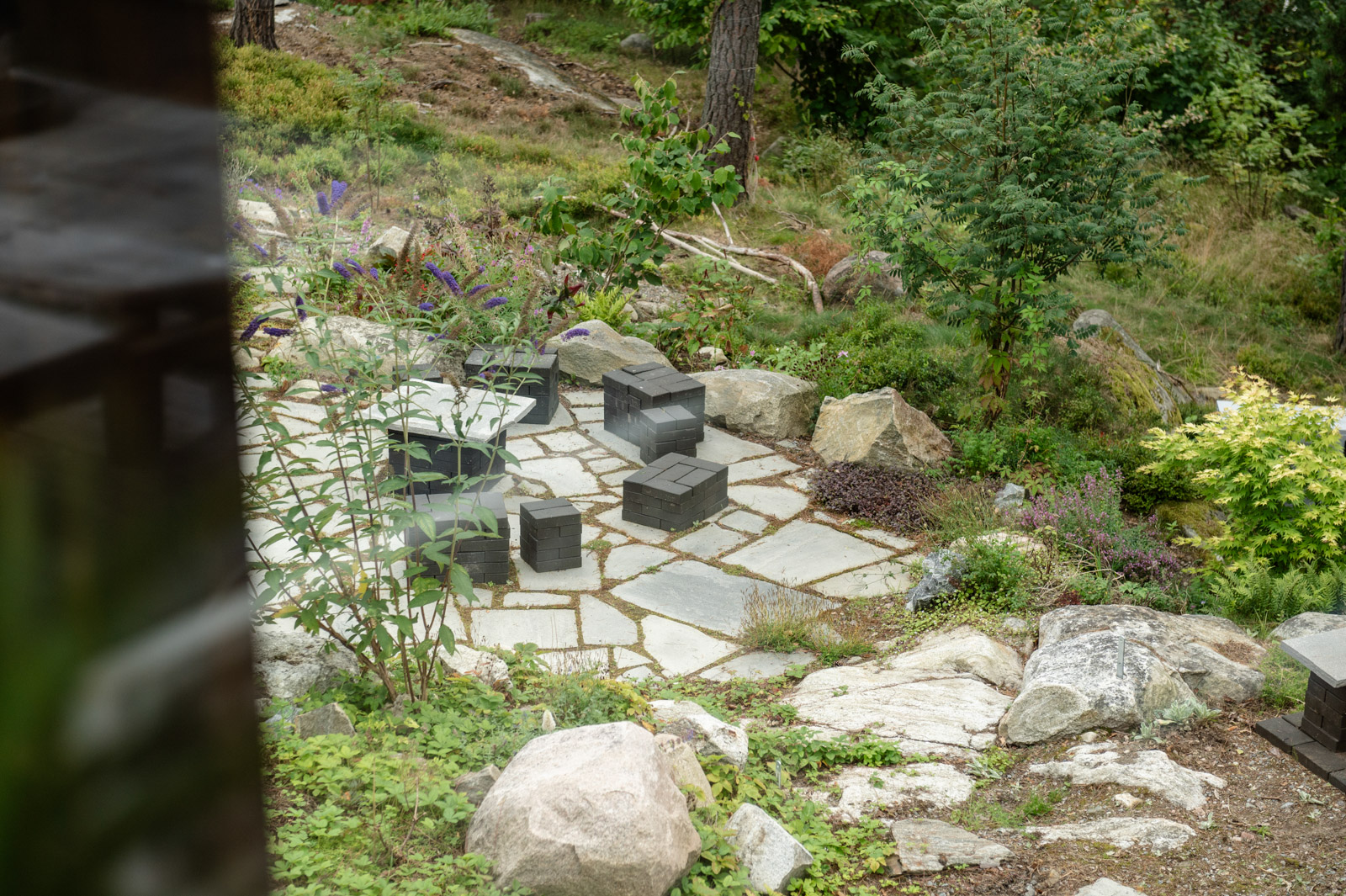
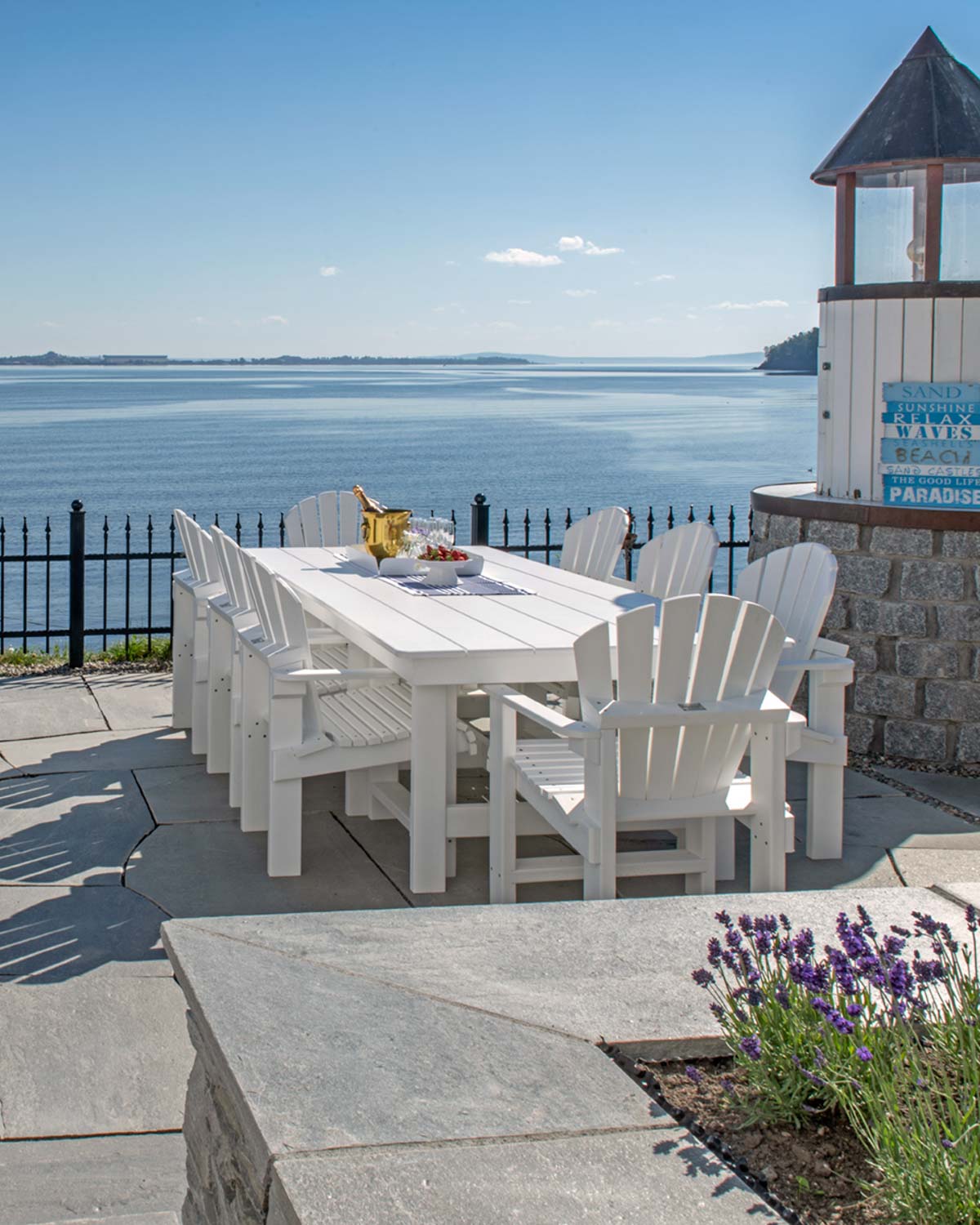
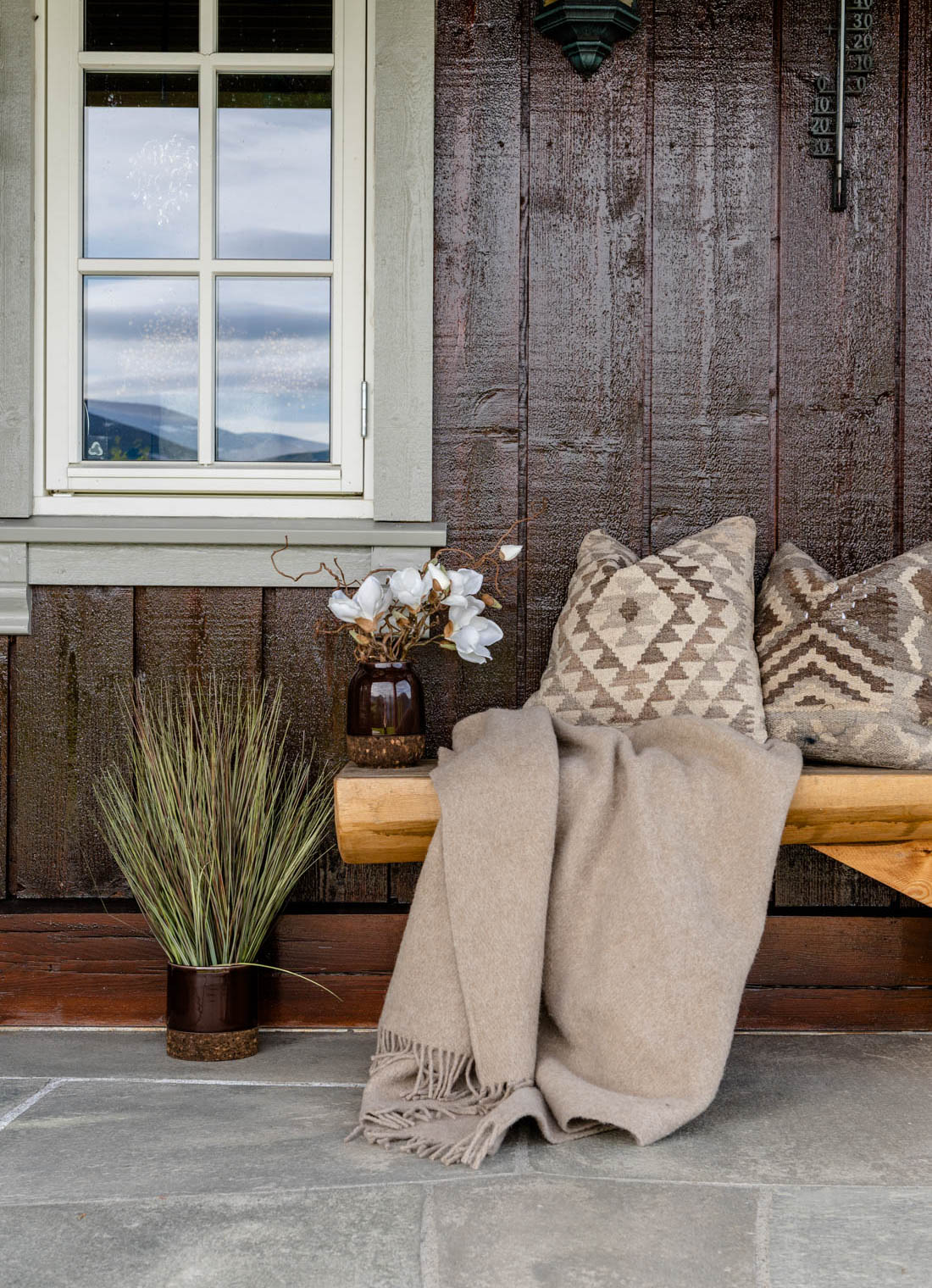
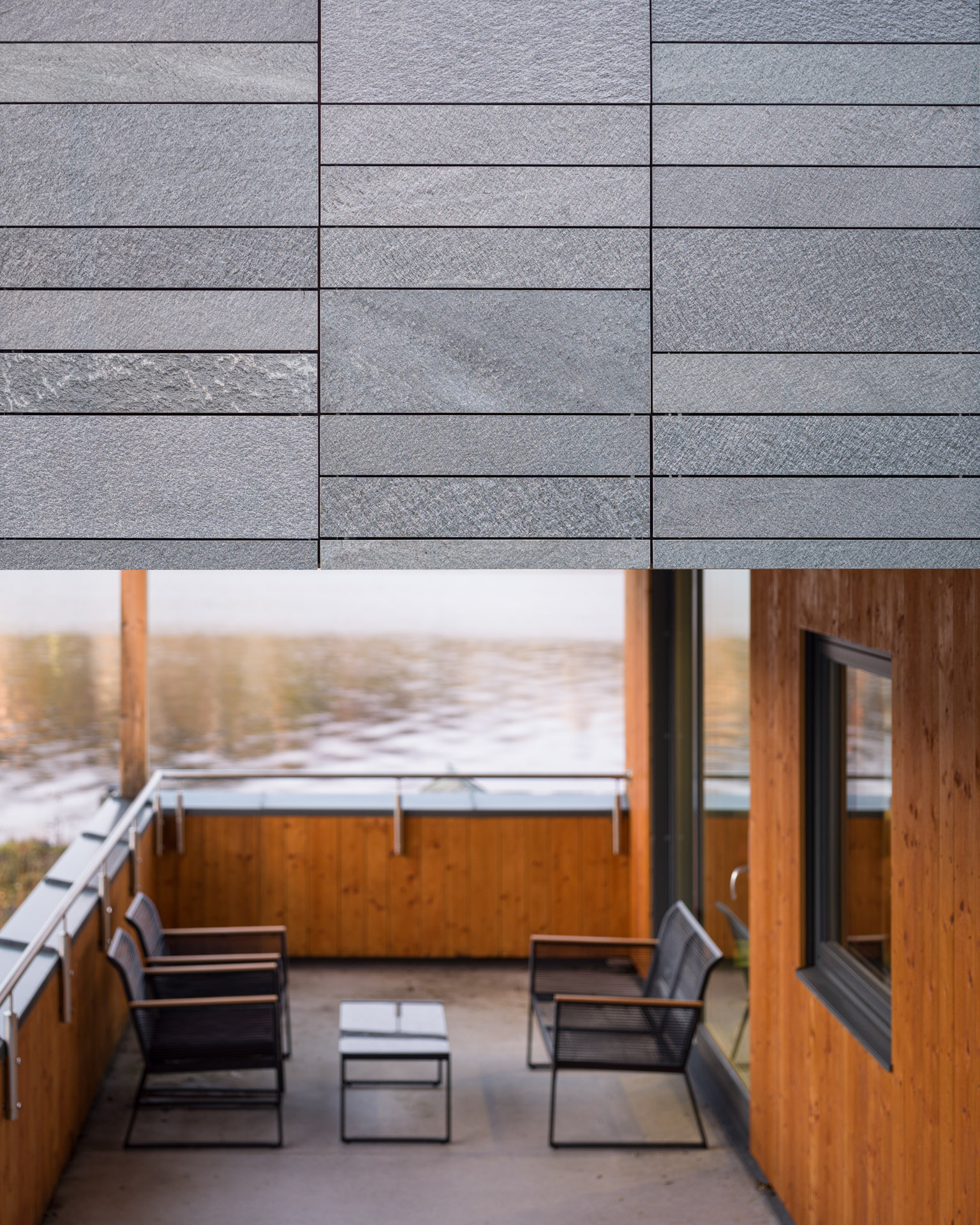
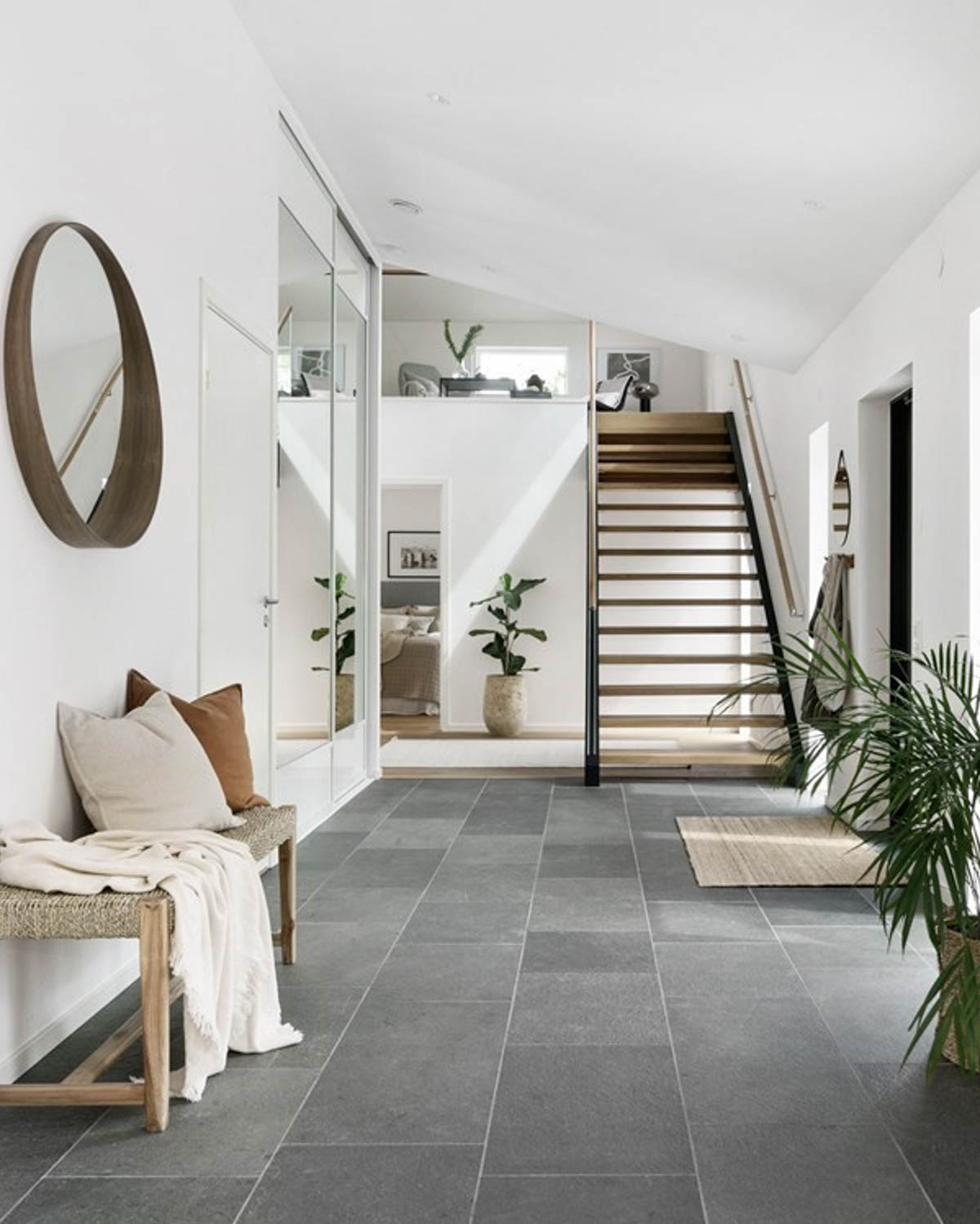
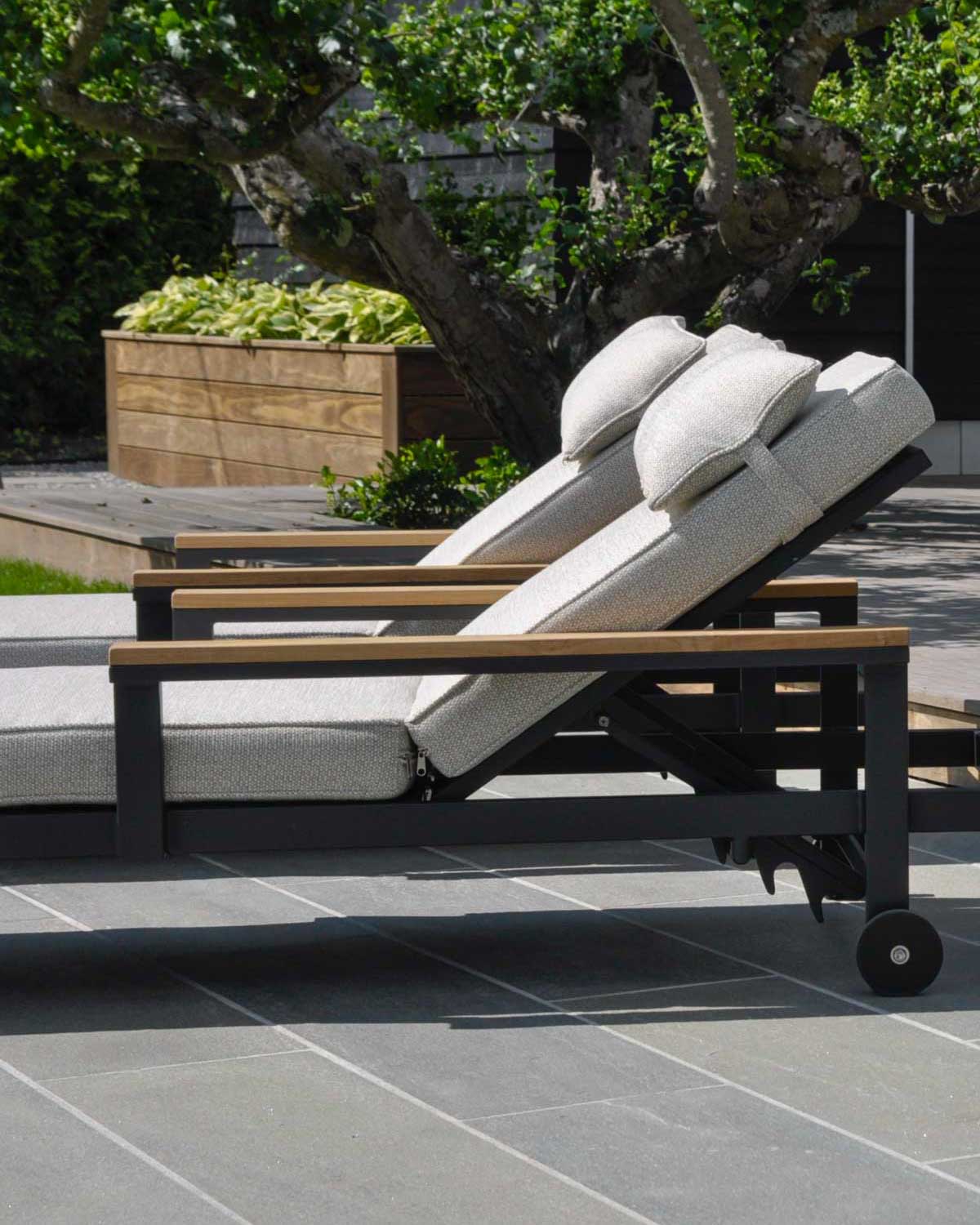
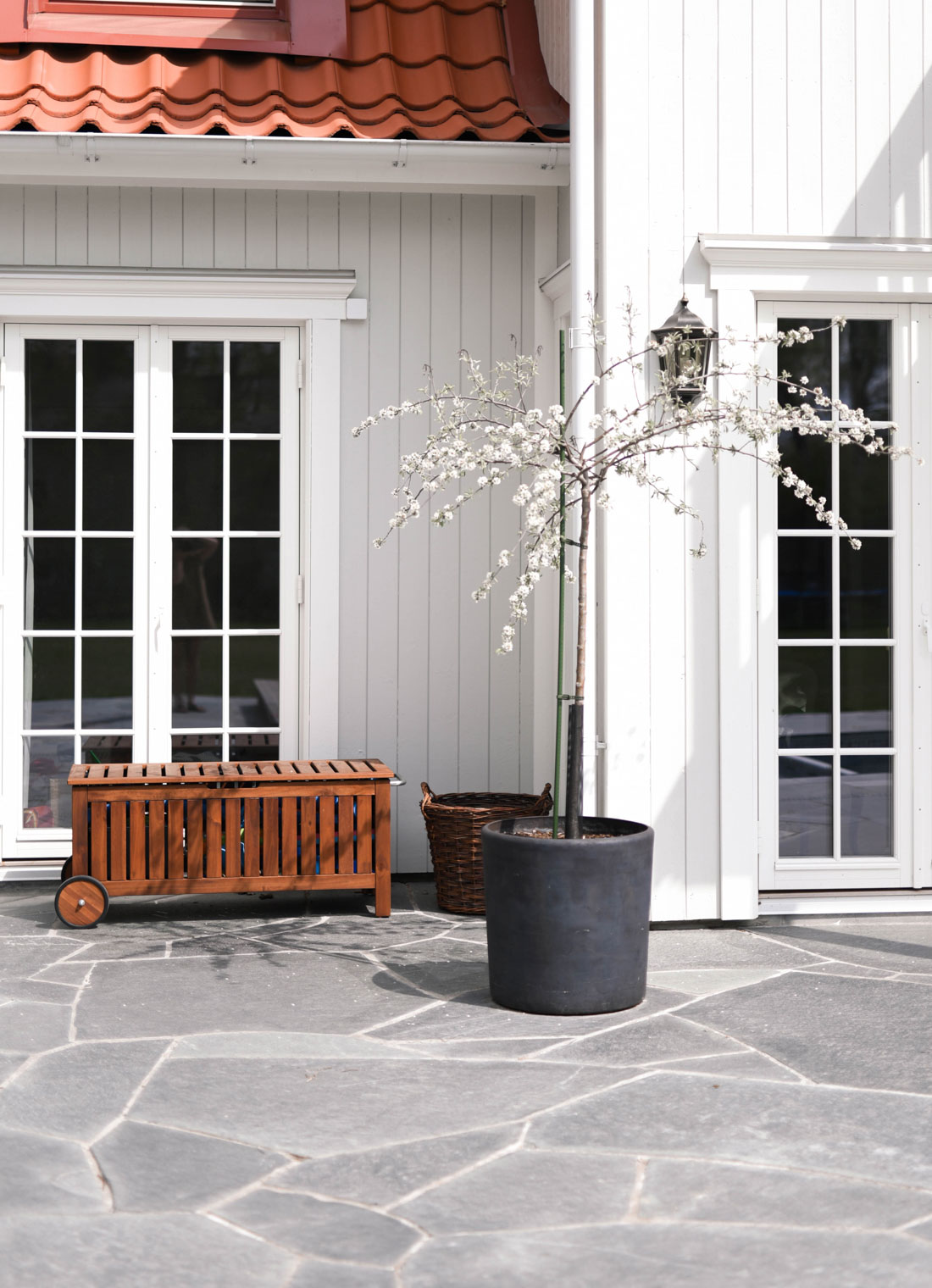
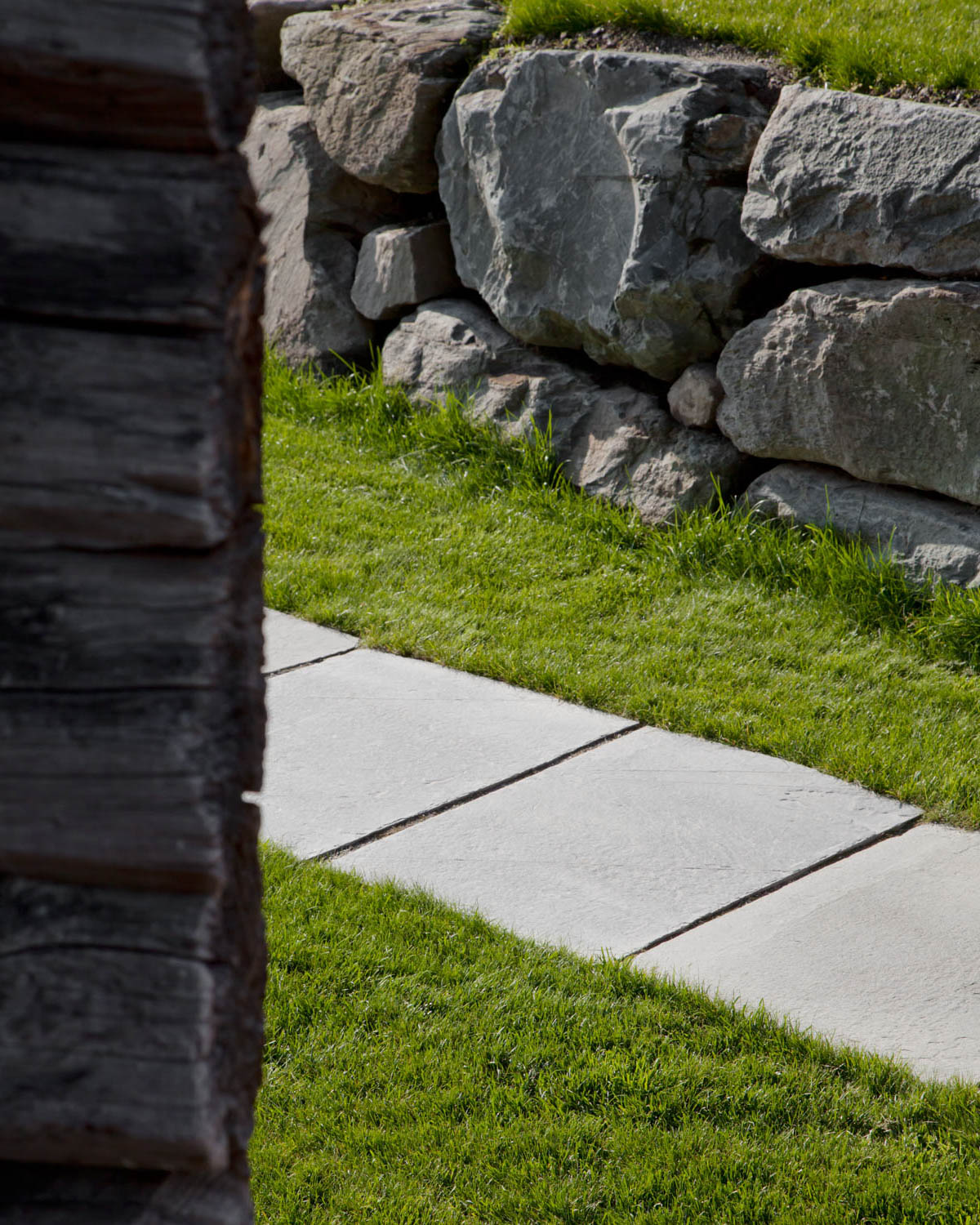
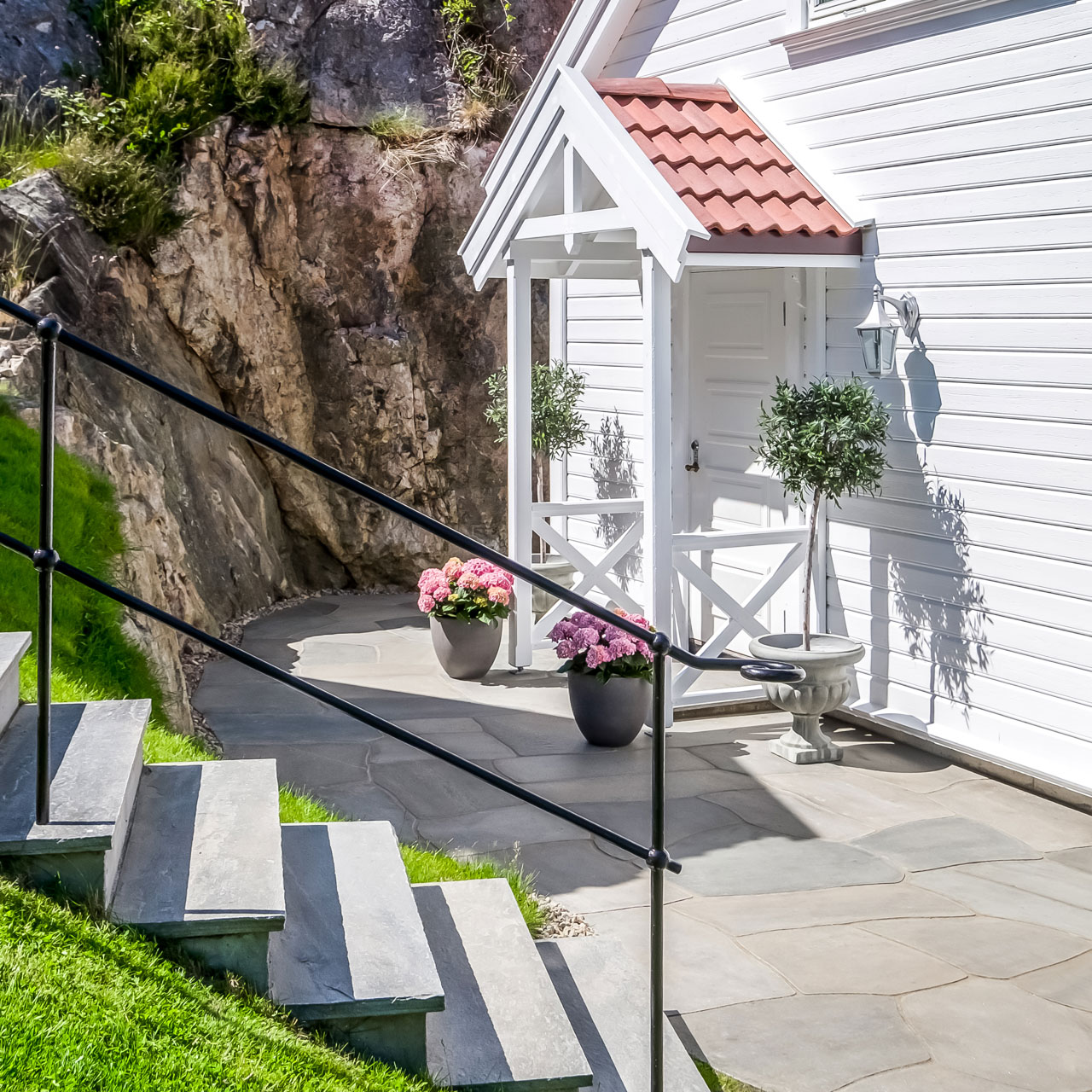
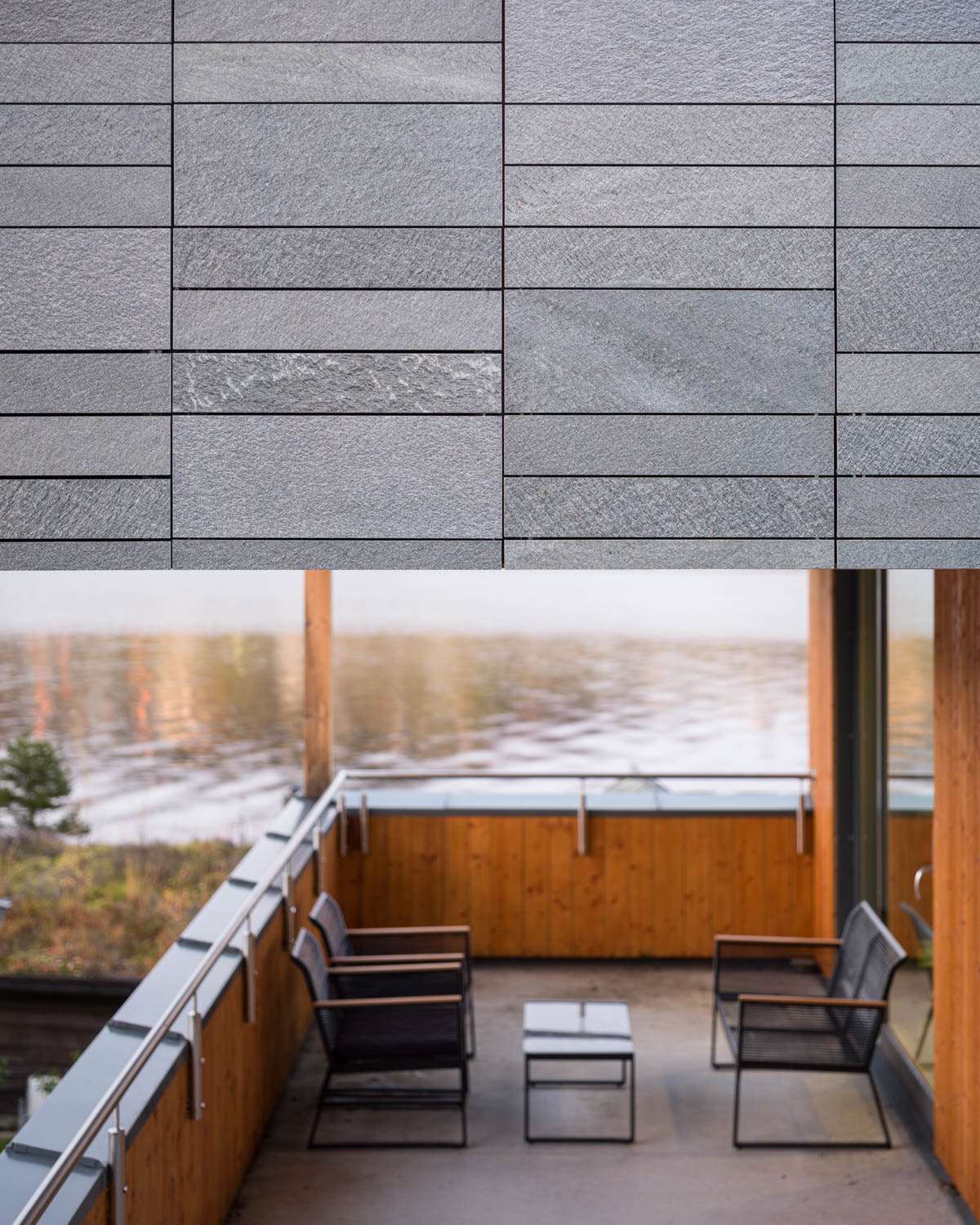
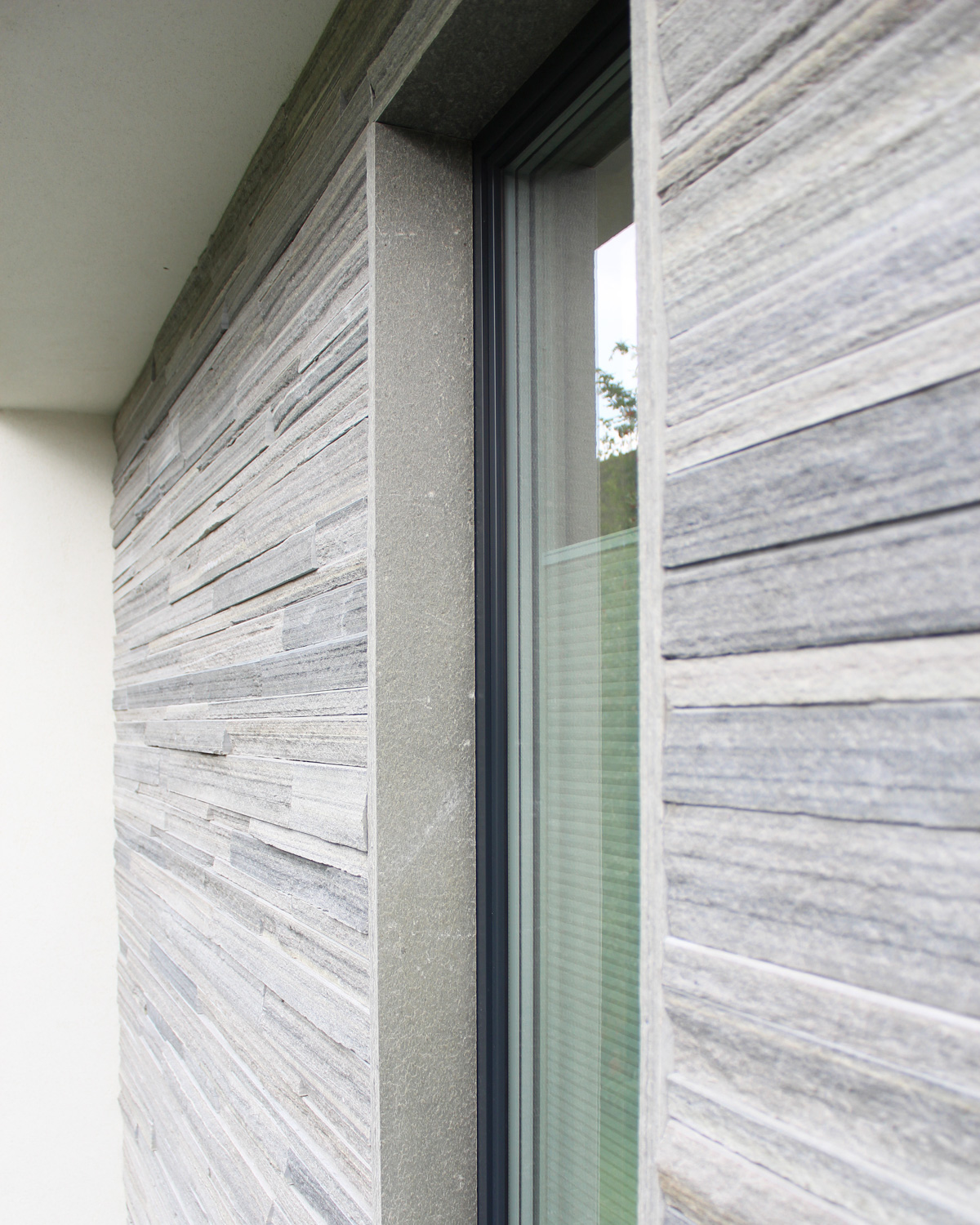
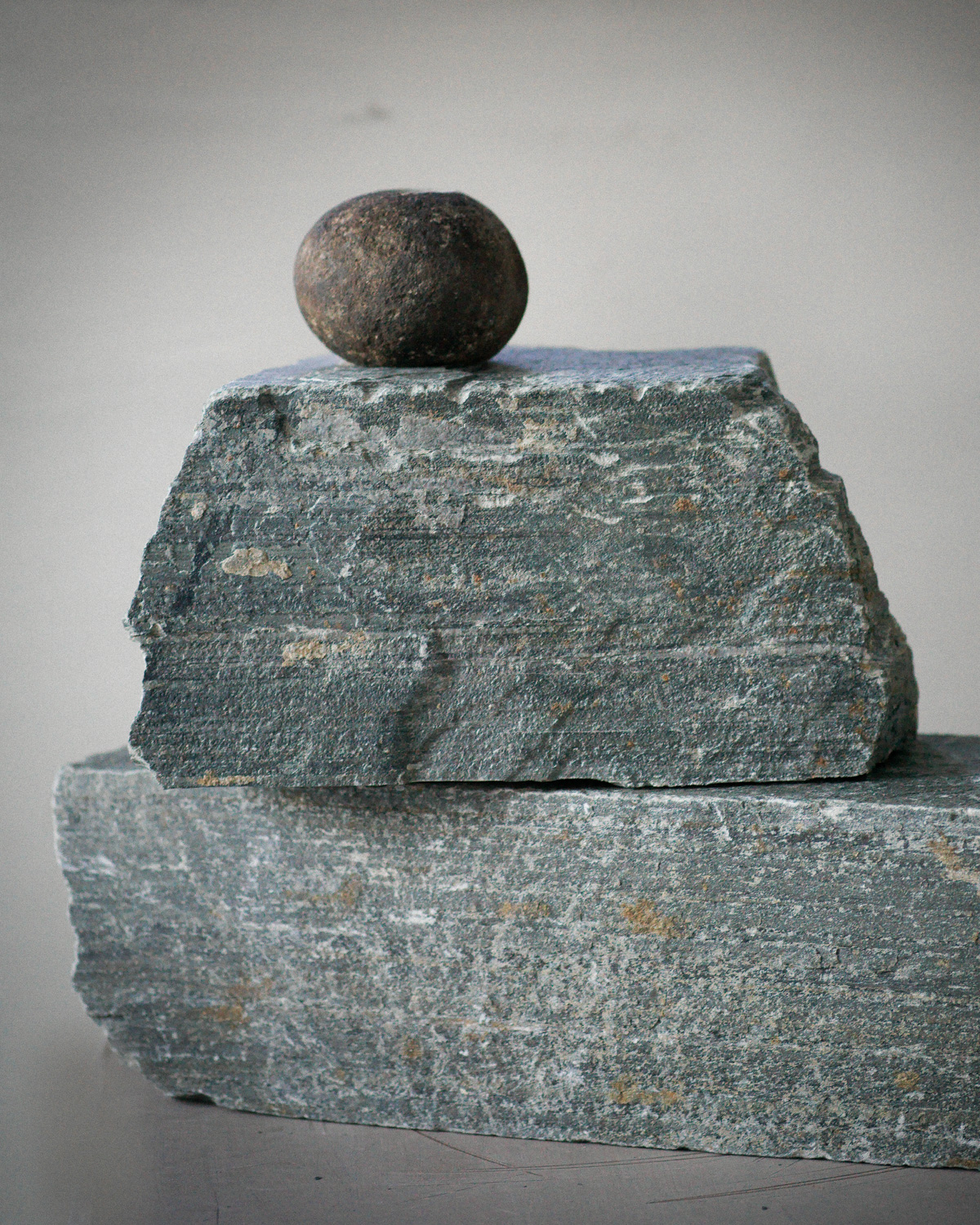
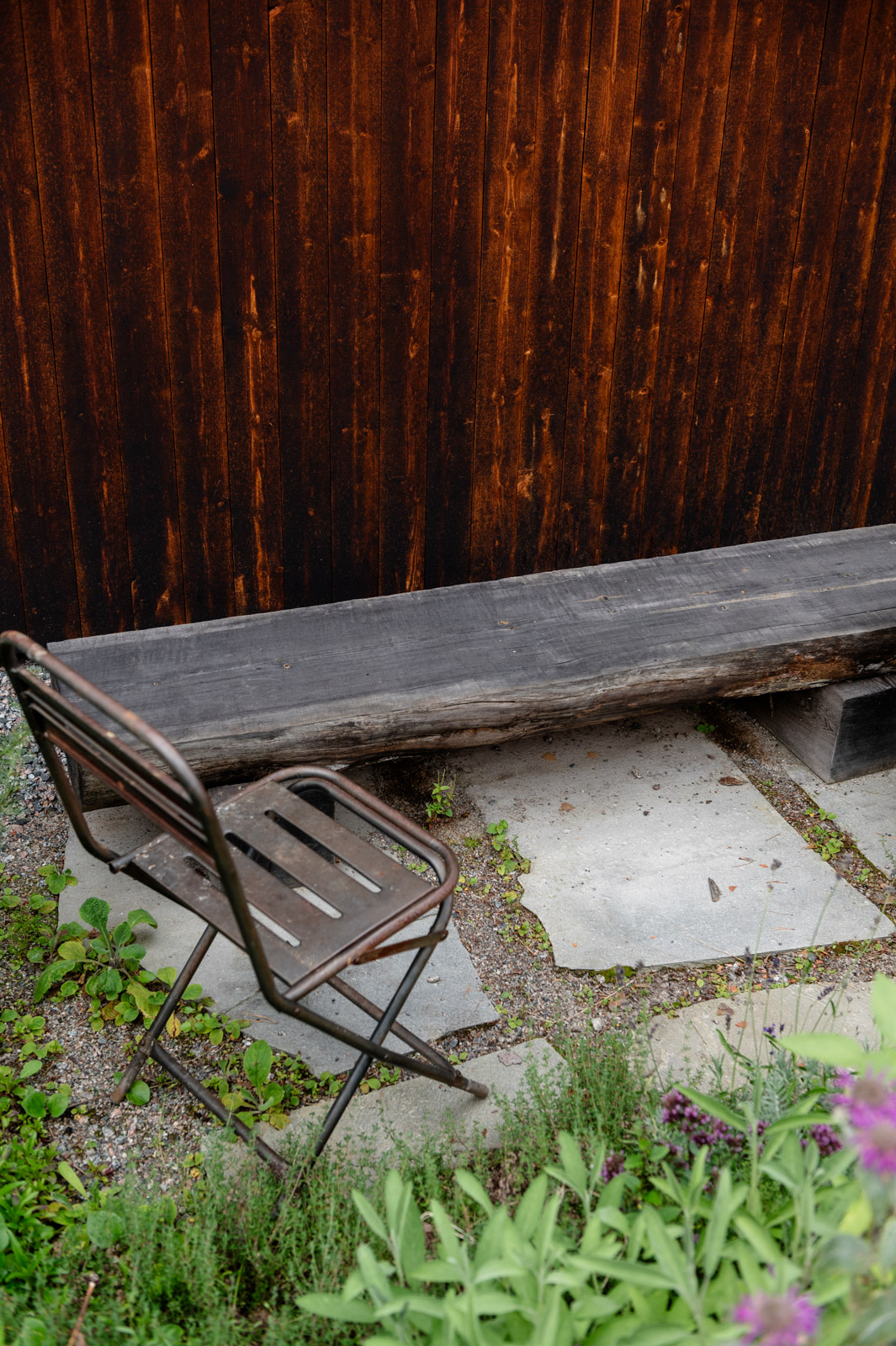
Oppdal slate is used throughout the garden, in pathways, seating areas and stepping stones.
– The light, slightly warm tone worked very well with what was already here, she explains.
The slate creates a soft transition between the designed areas and the surrounding landscape, acting as a unifying element throughout the garden.
At the same time, it is a material that can be reused and repositioned.
– There’s something special about natural materials. They last over time and can be reused.
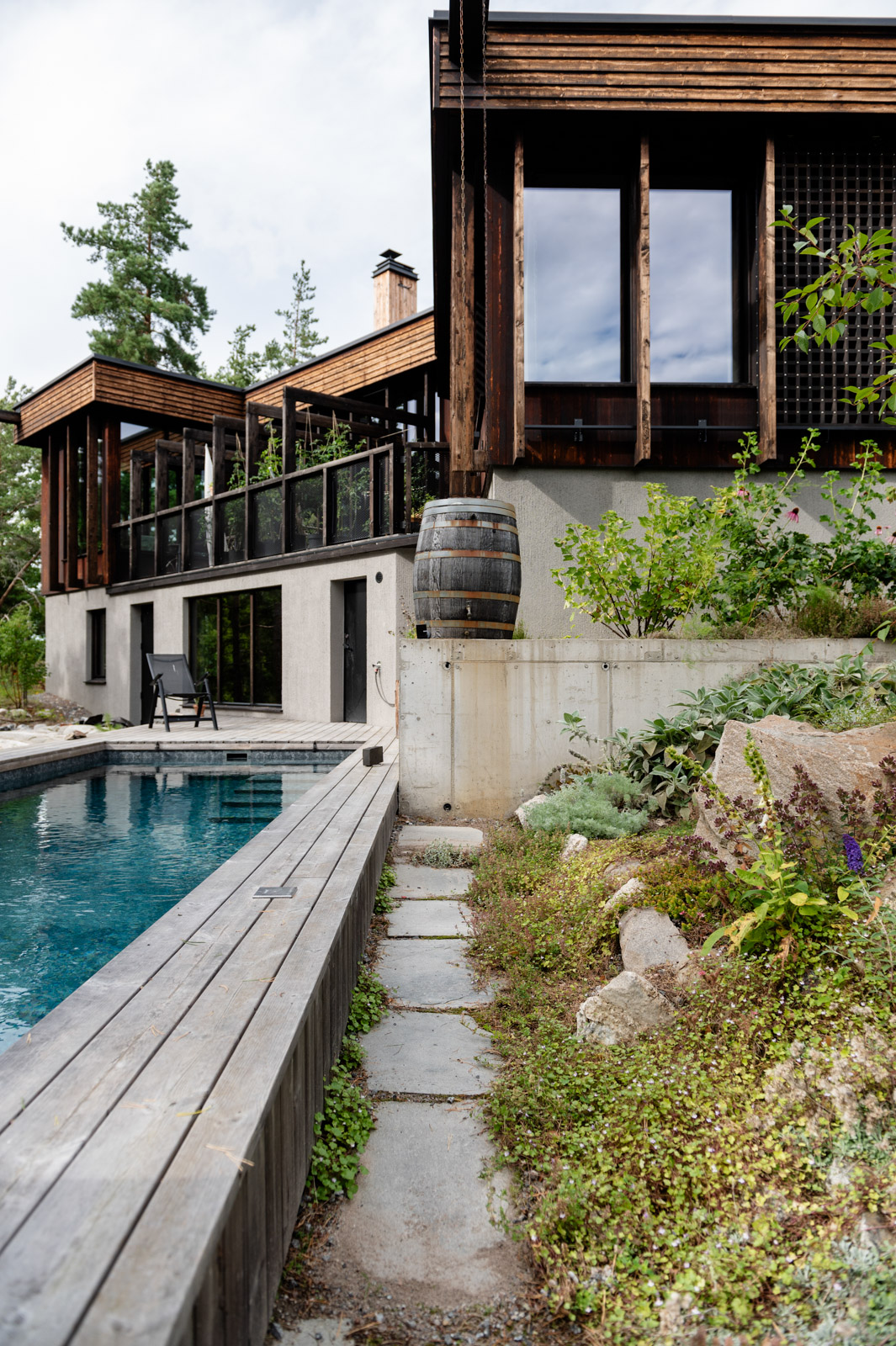
A key decision in the project was how the slate was laid.
– To achieve a natural feel, it couldn’t be too perfect.
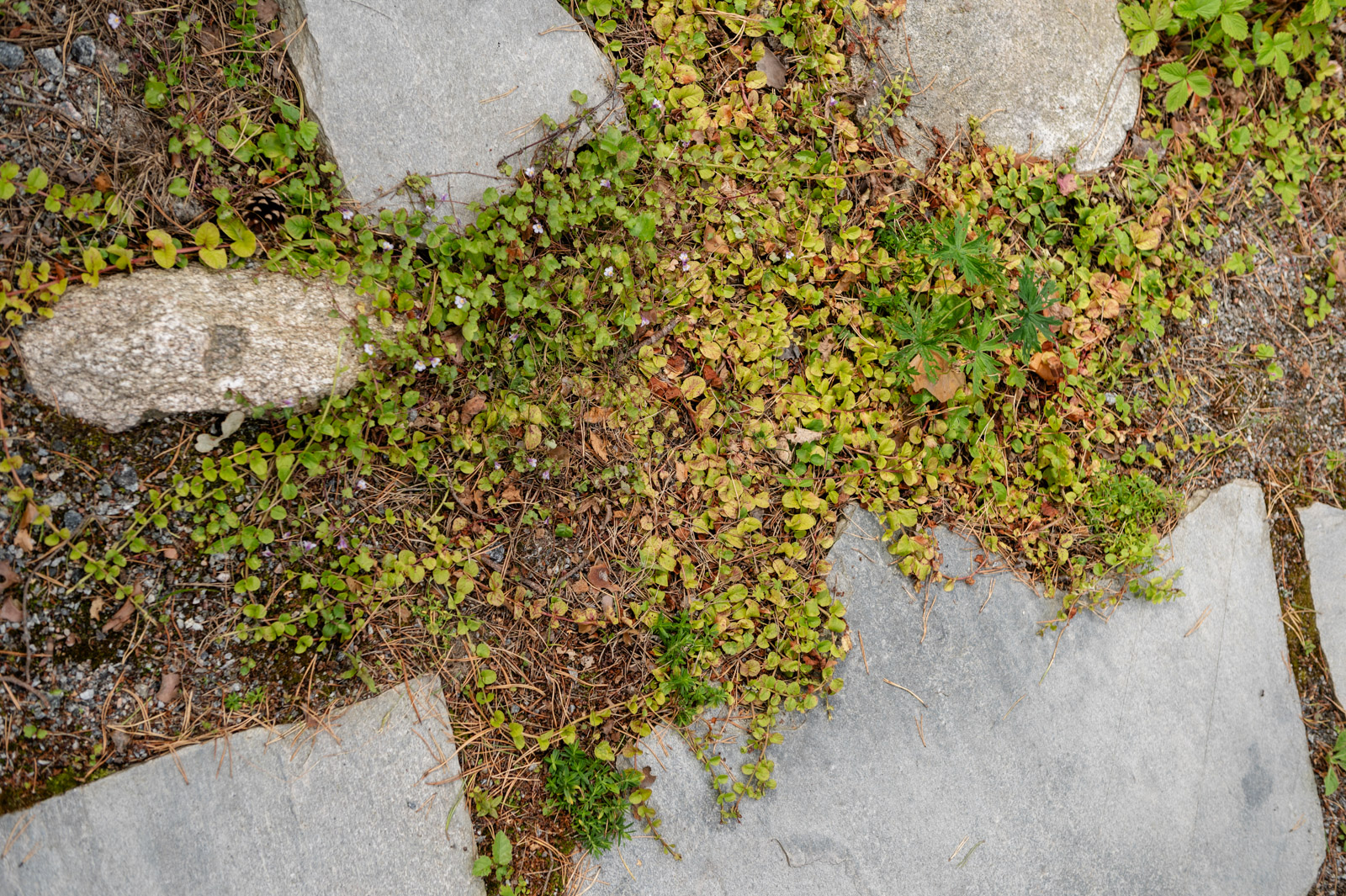
The stones are laid with varying joint widths – from tight joints to wider gaps where plants and moss can grow.
In some areas, the slate is laid as stepping stones with larger spacing. In others, the shapes have been intentionally made more irregular.
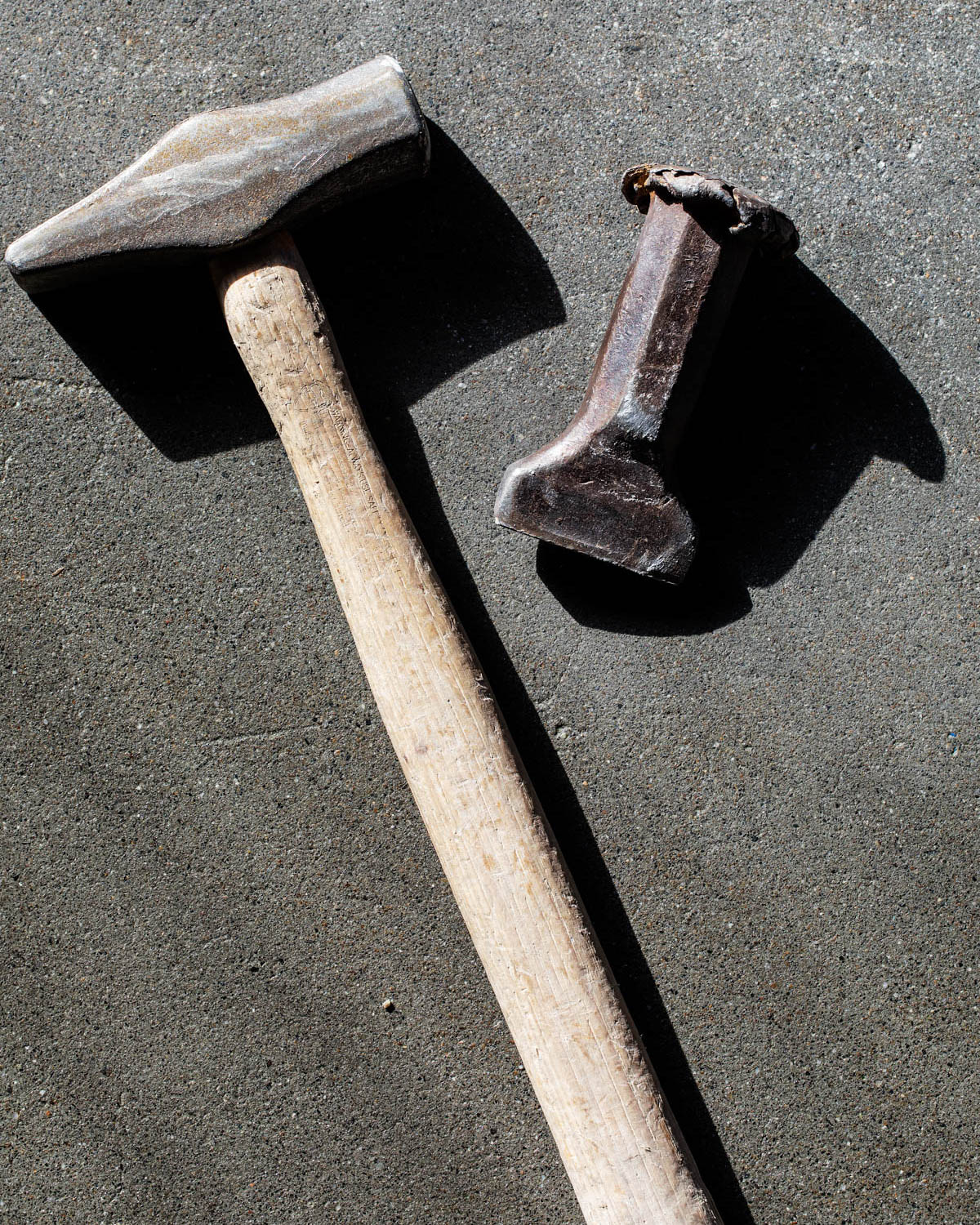
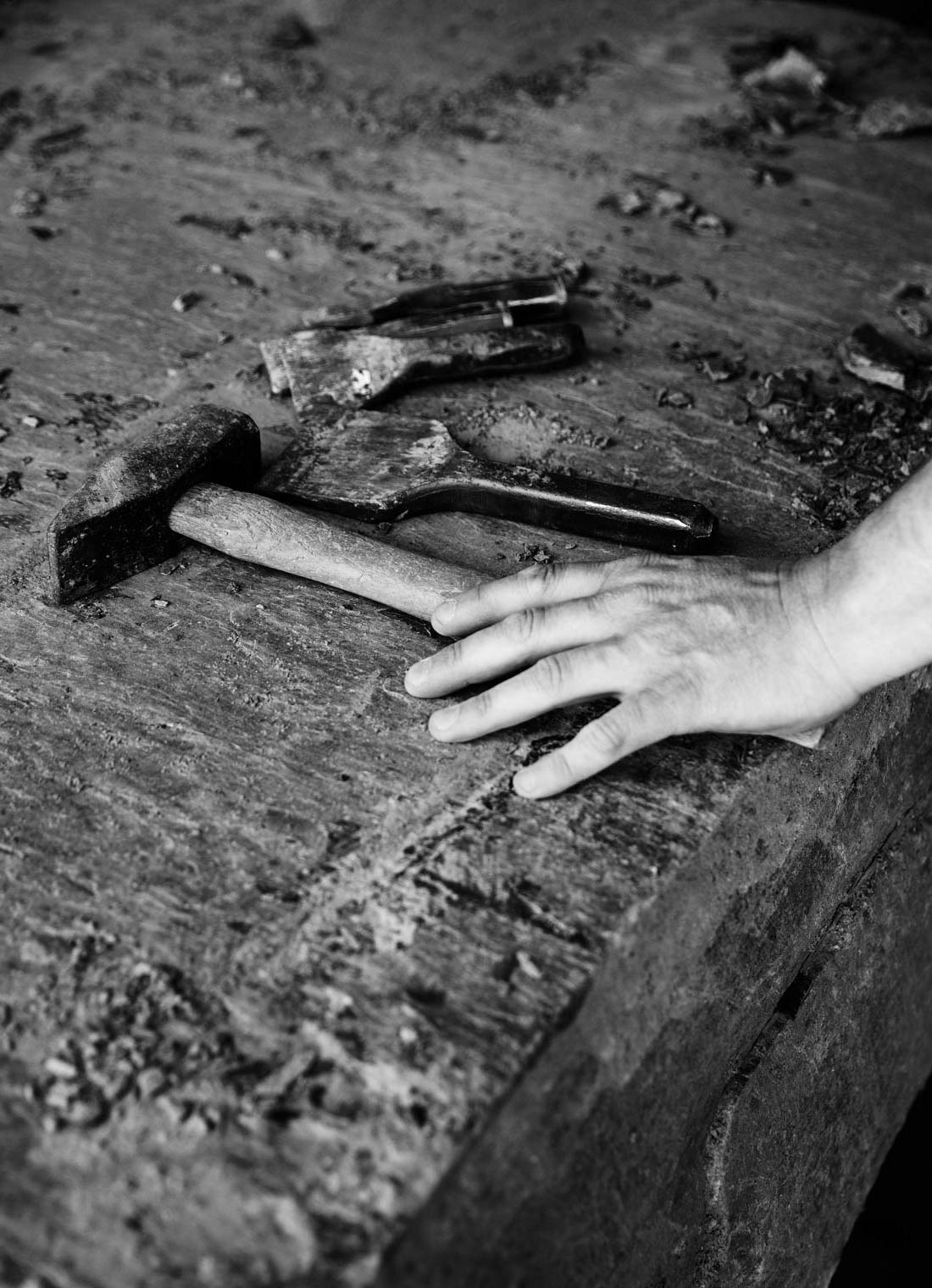
– Some pieces were too straight, so I asked for the corners to be broken off.
The result is a surface that doesn’t feel constructed, but like a natural part of the site.
An important principle in the garden has been to use everything available – including leftovers.
– There are always leftover materials.
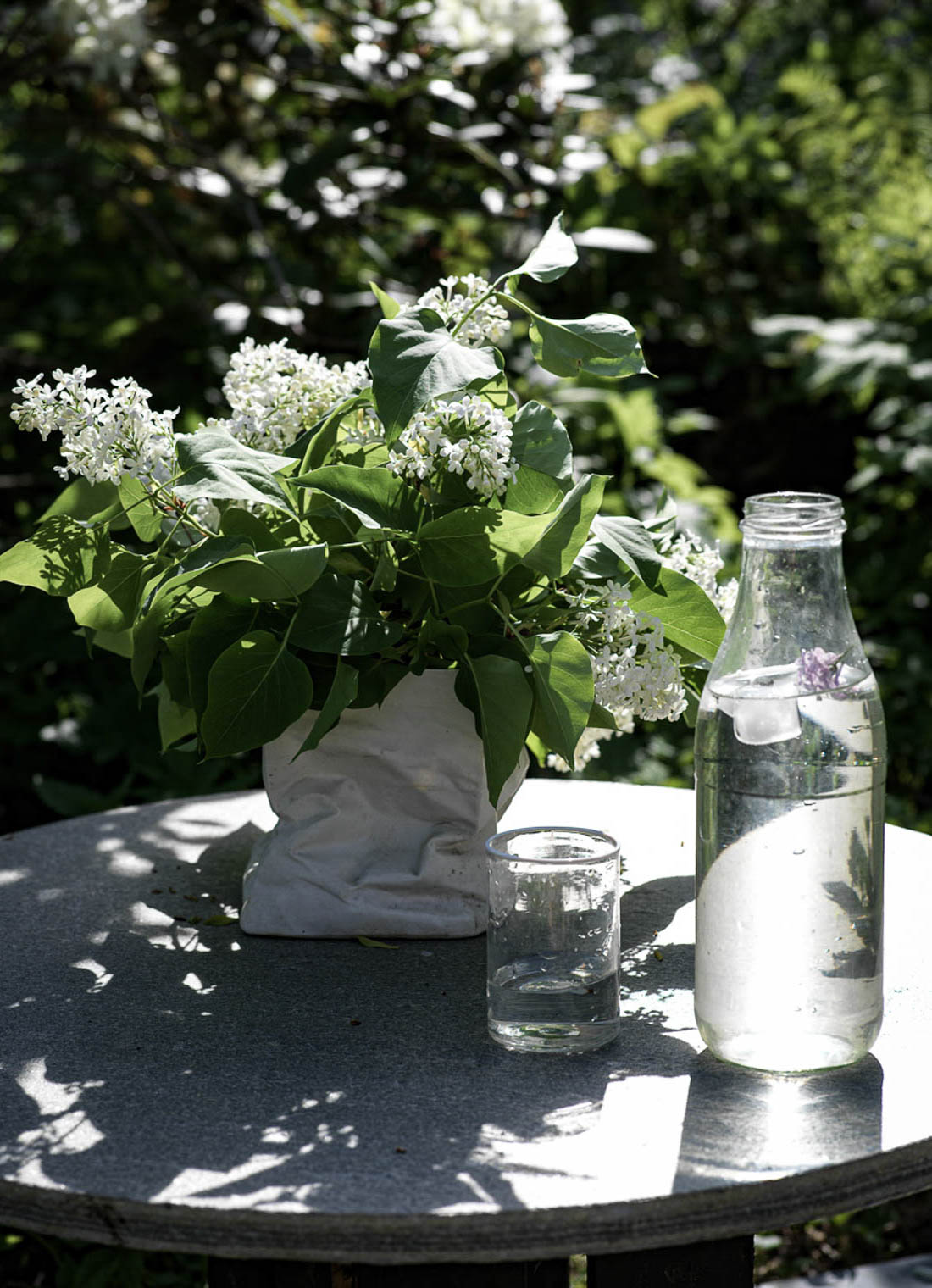
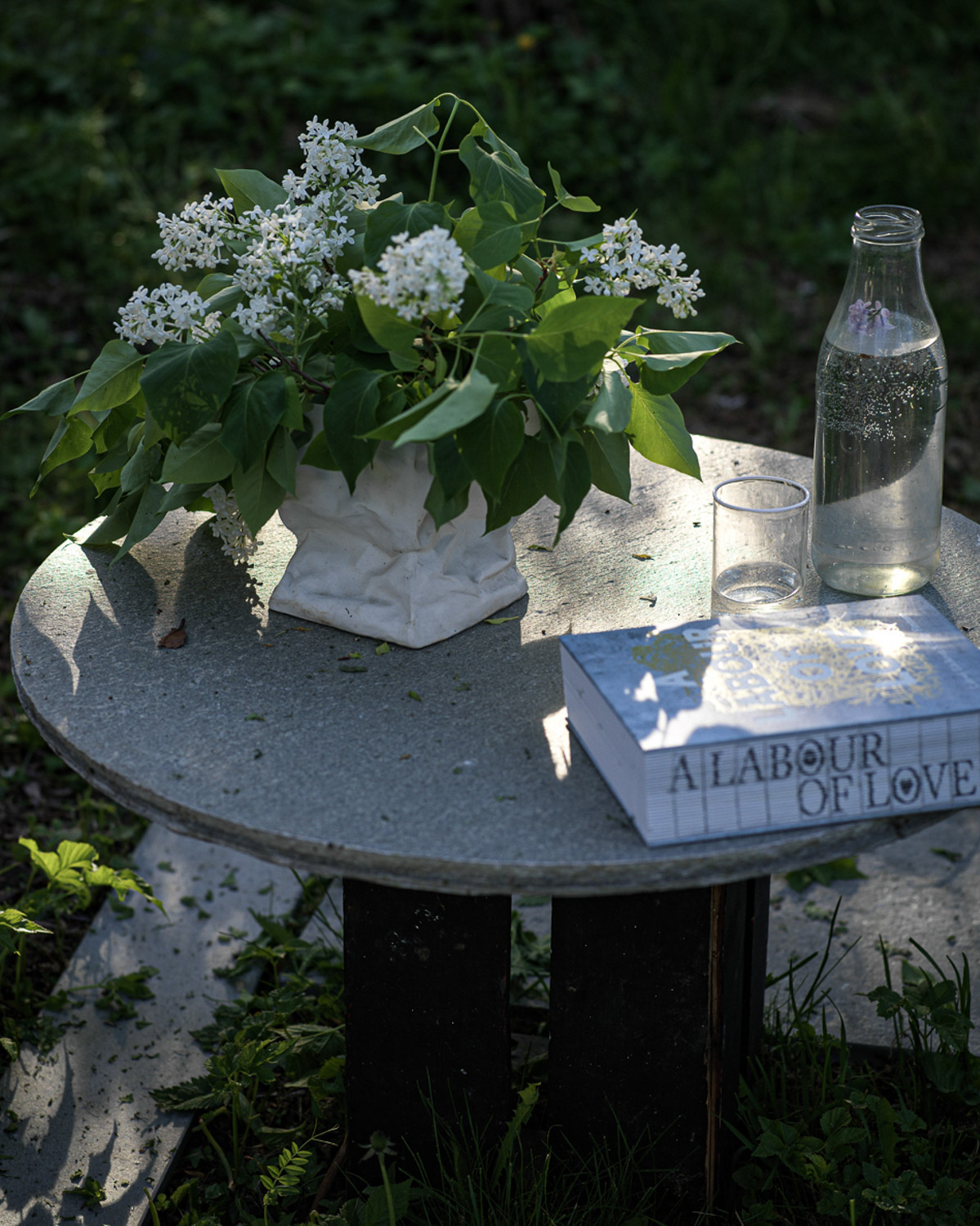
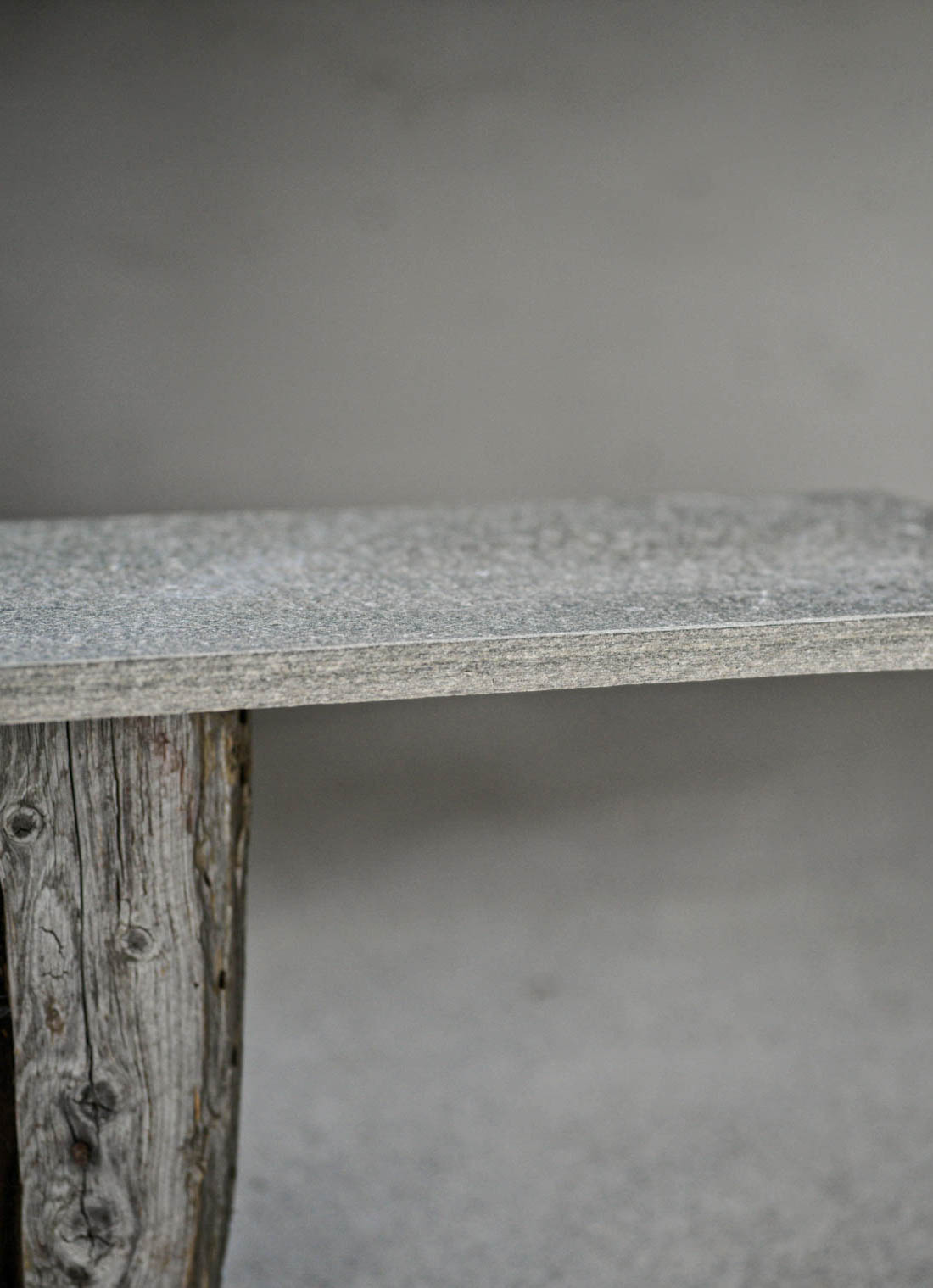
Instead of discarding them, they have been reused. Slate and stone have become simple benches, tables and small seating areas.
– It’s been great to use everything.
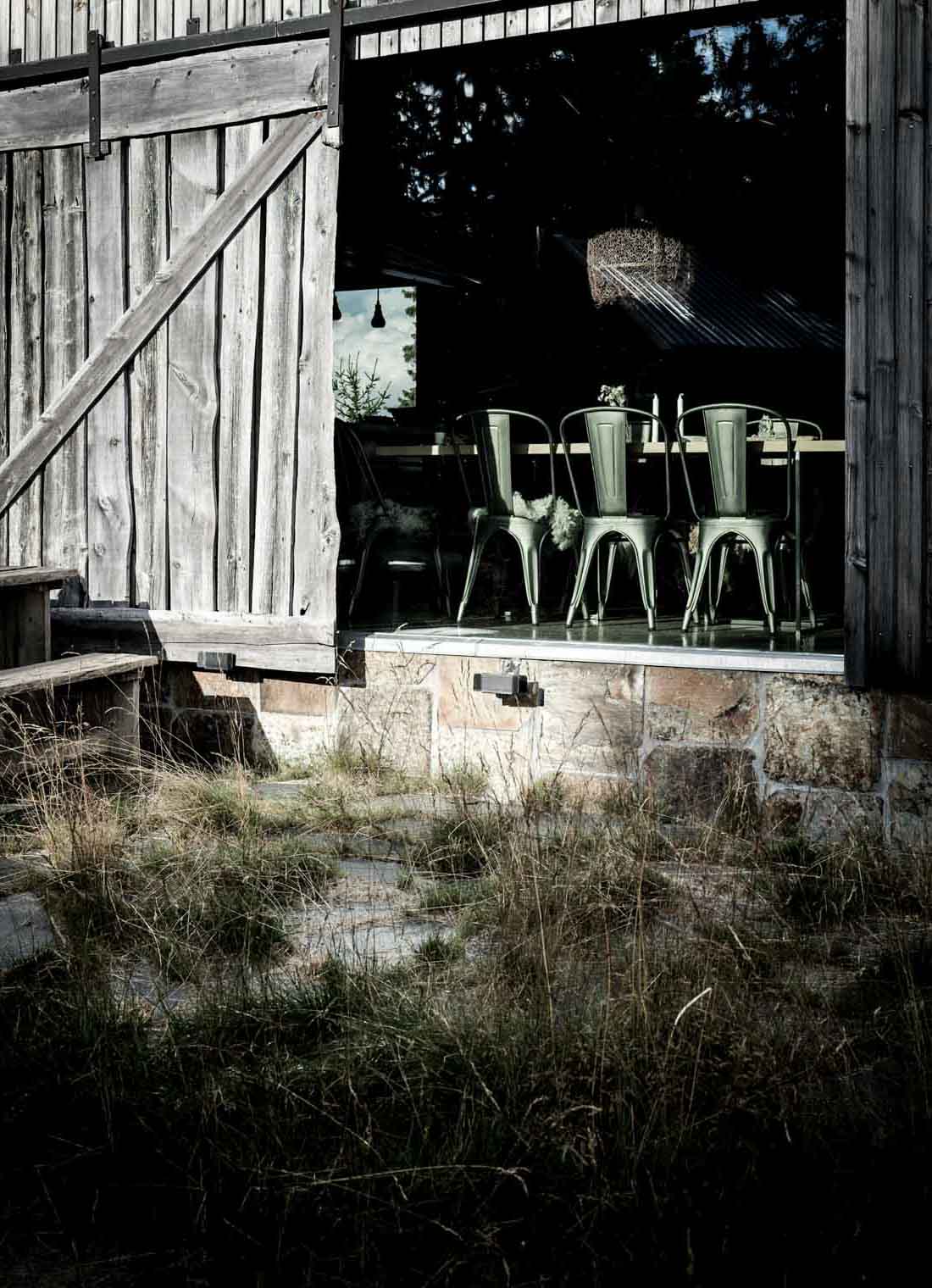
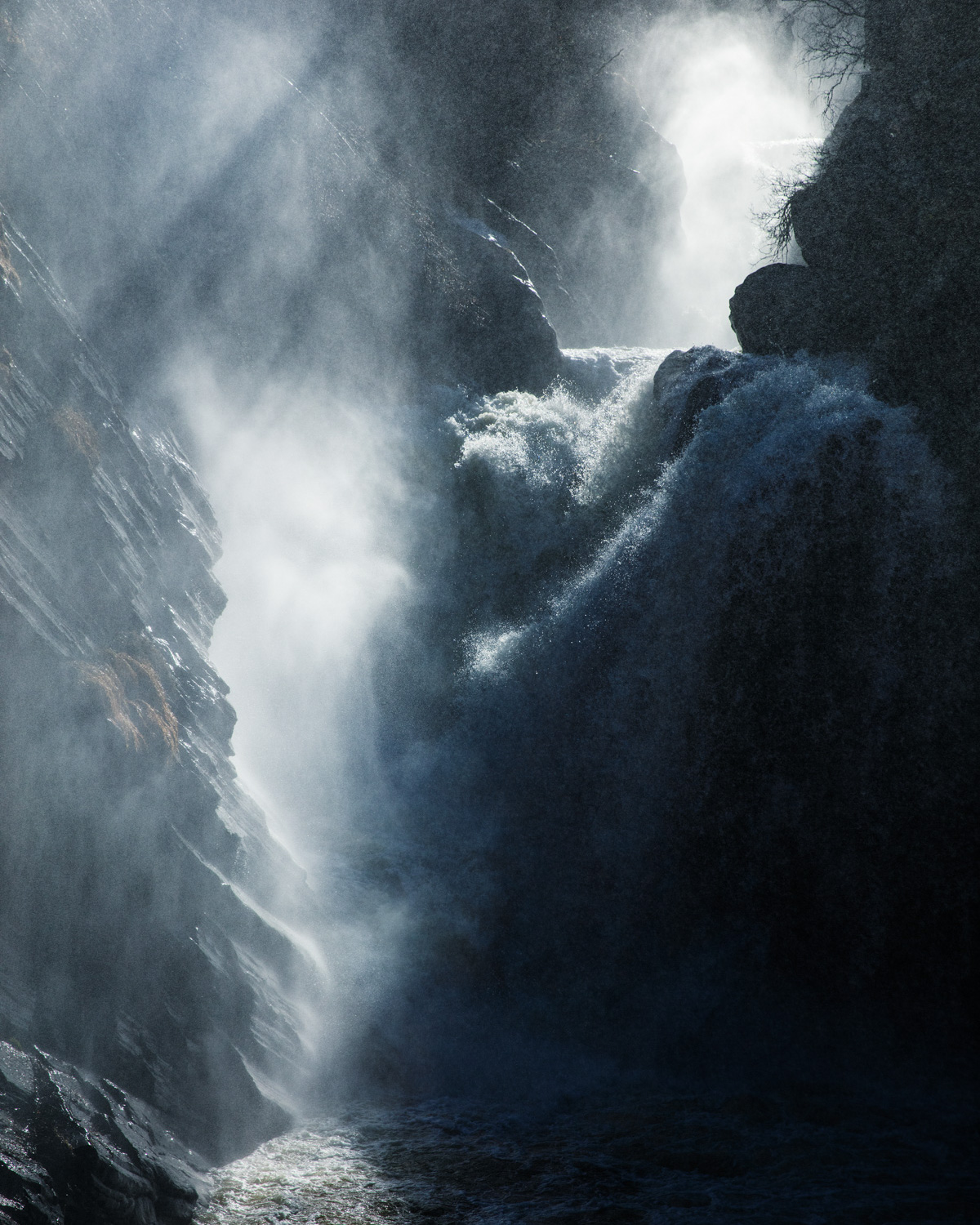
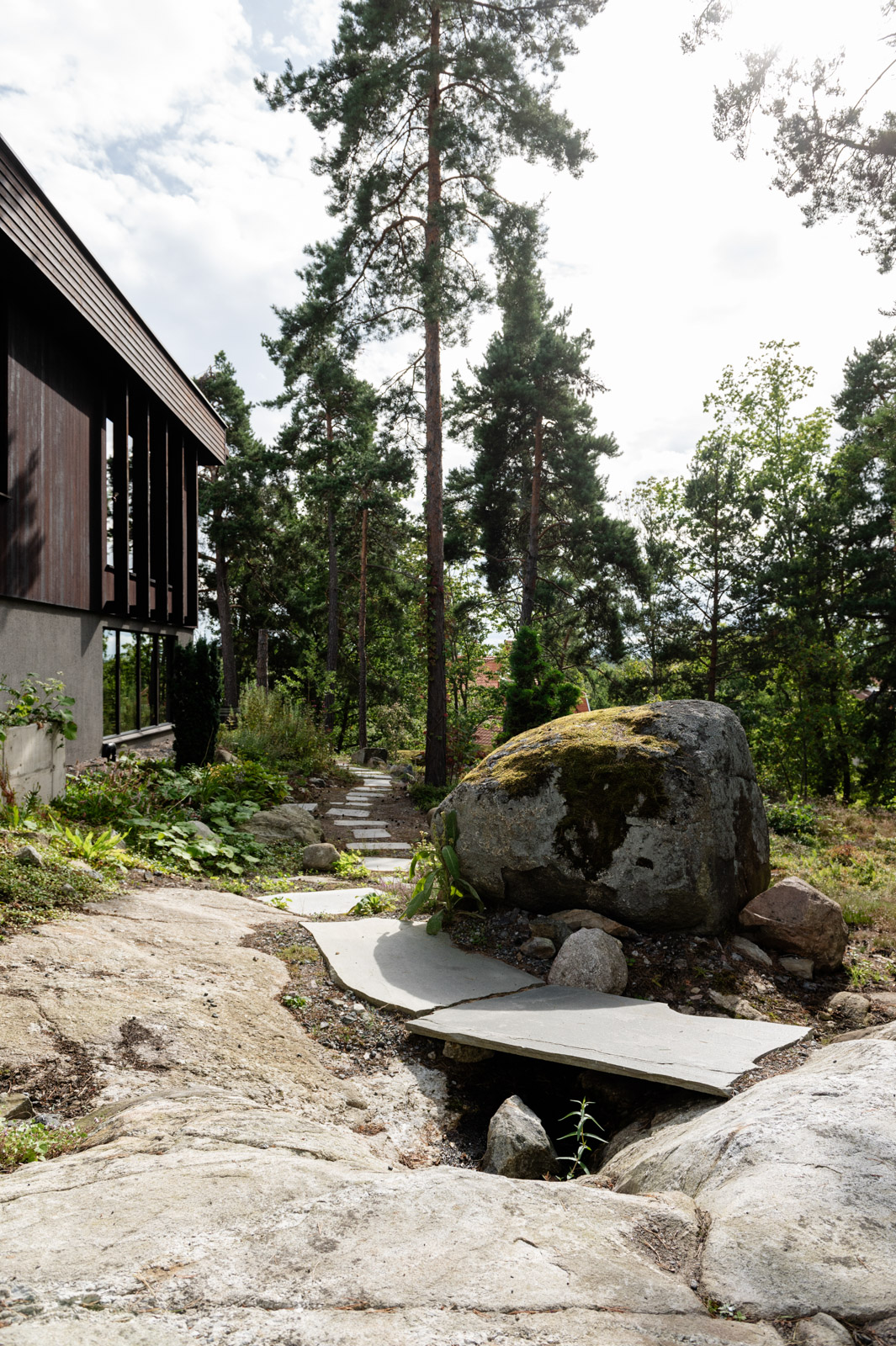
Existing elements on the site were also incorporated. A natural water feature became a small bridge, made from large slate slabs.
– It wasn’t planned. It just happened along the way.
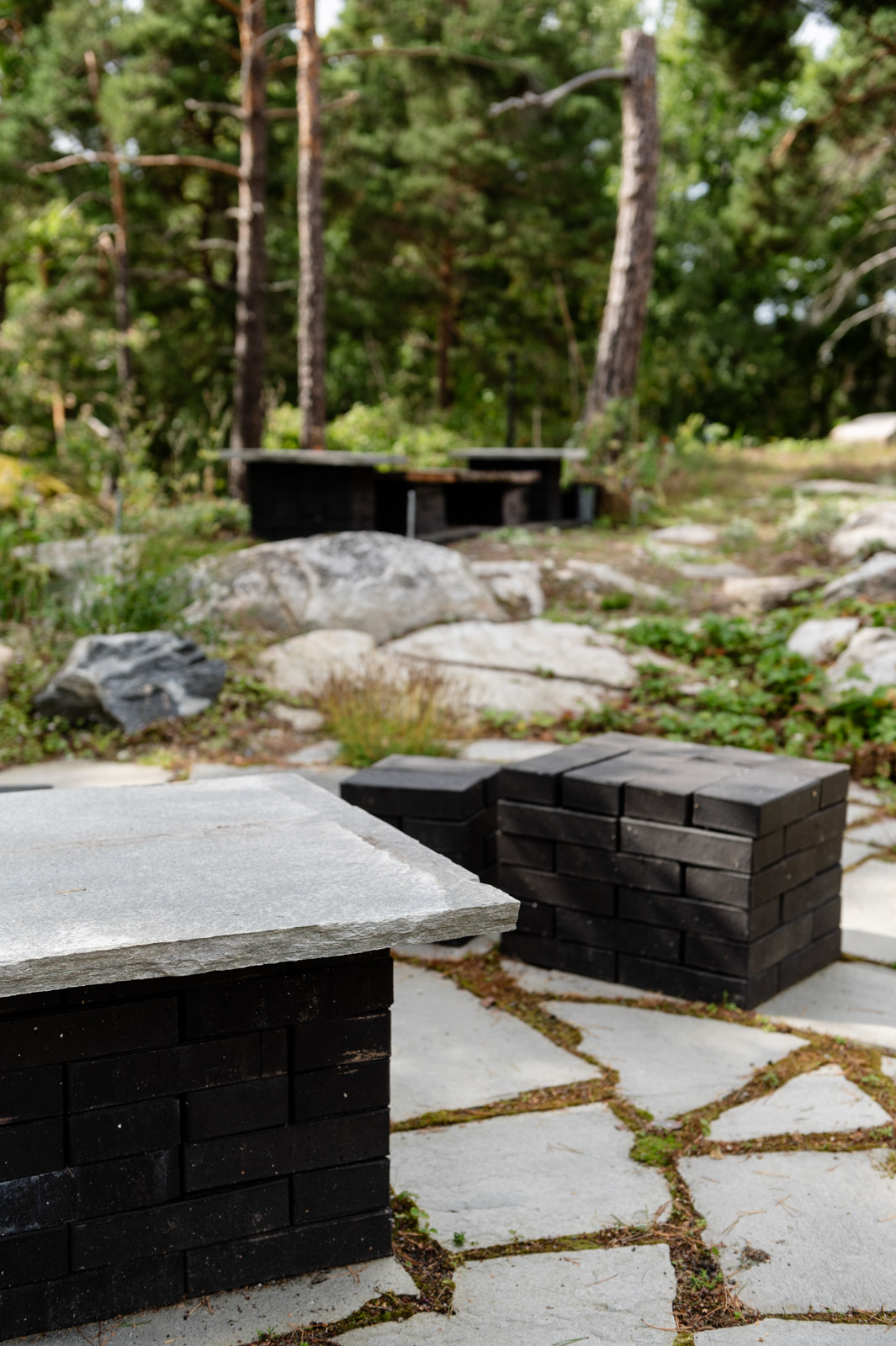
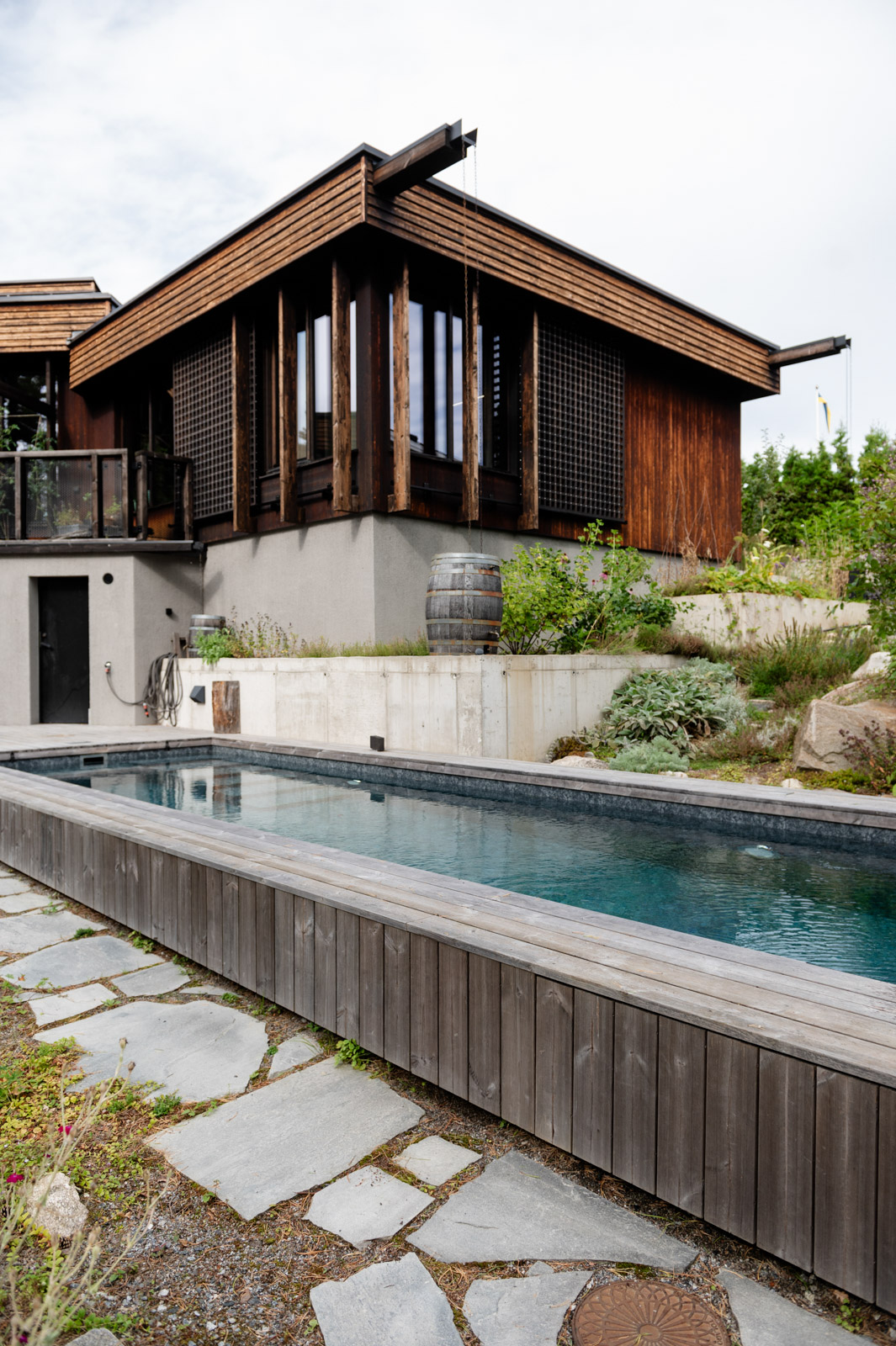
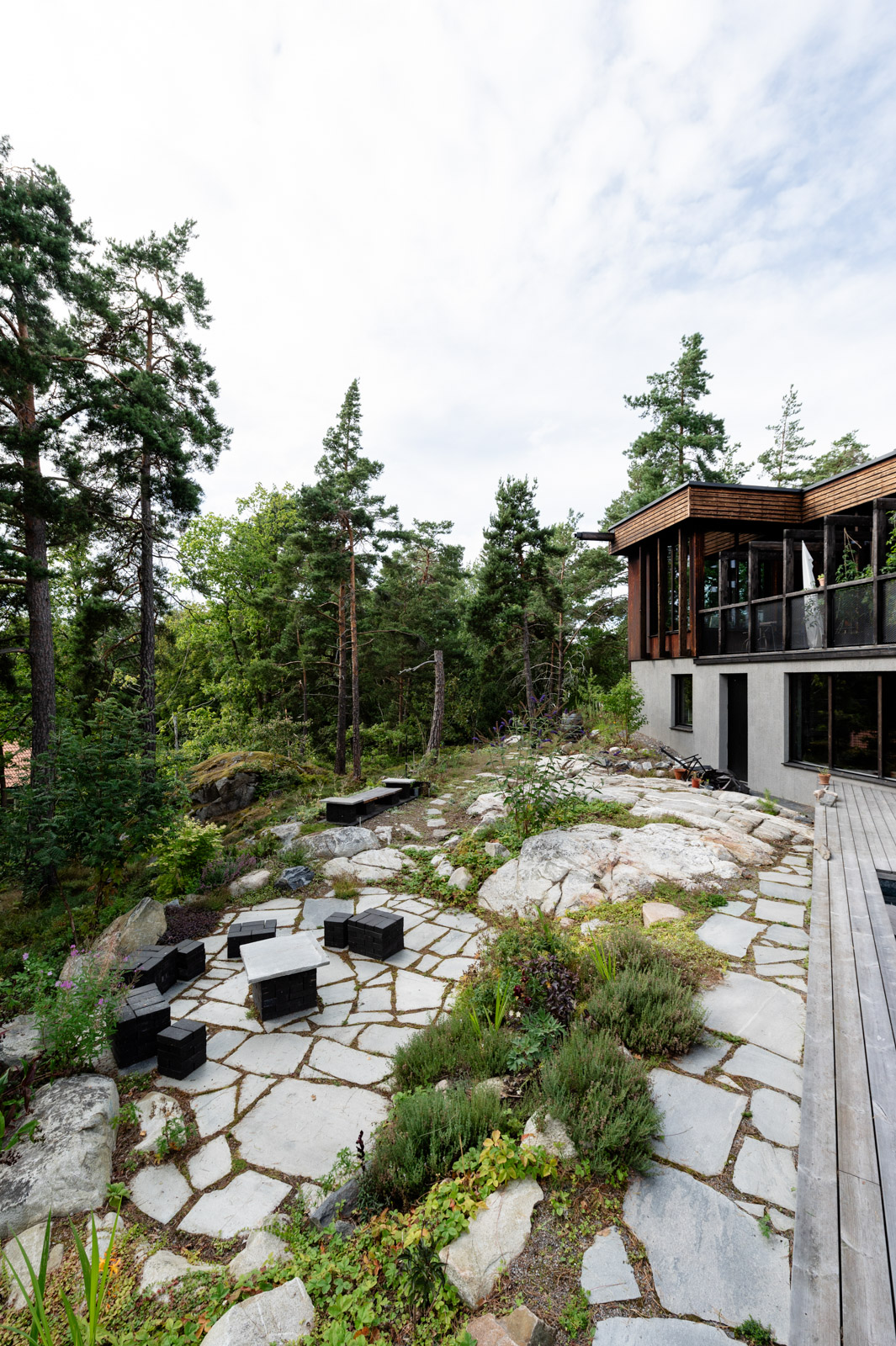
The garden is not built as a fixed structure, but as something that can change.
– It should be possible to adapt.
The slate is laid in gravel rather than fixed permanently, making it easy to lift and reuse.
– That way, you can move things around and adapt over time.
This creates flexibility and allows the garden to evolve without starting over.
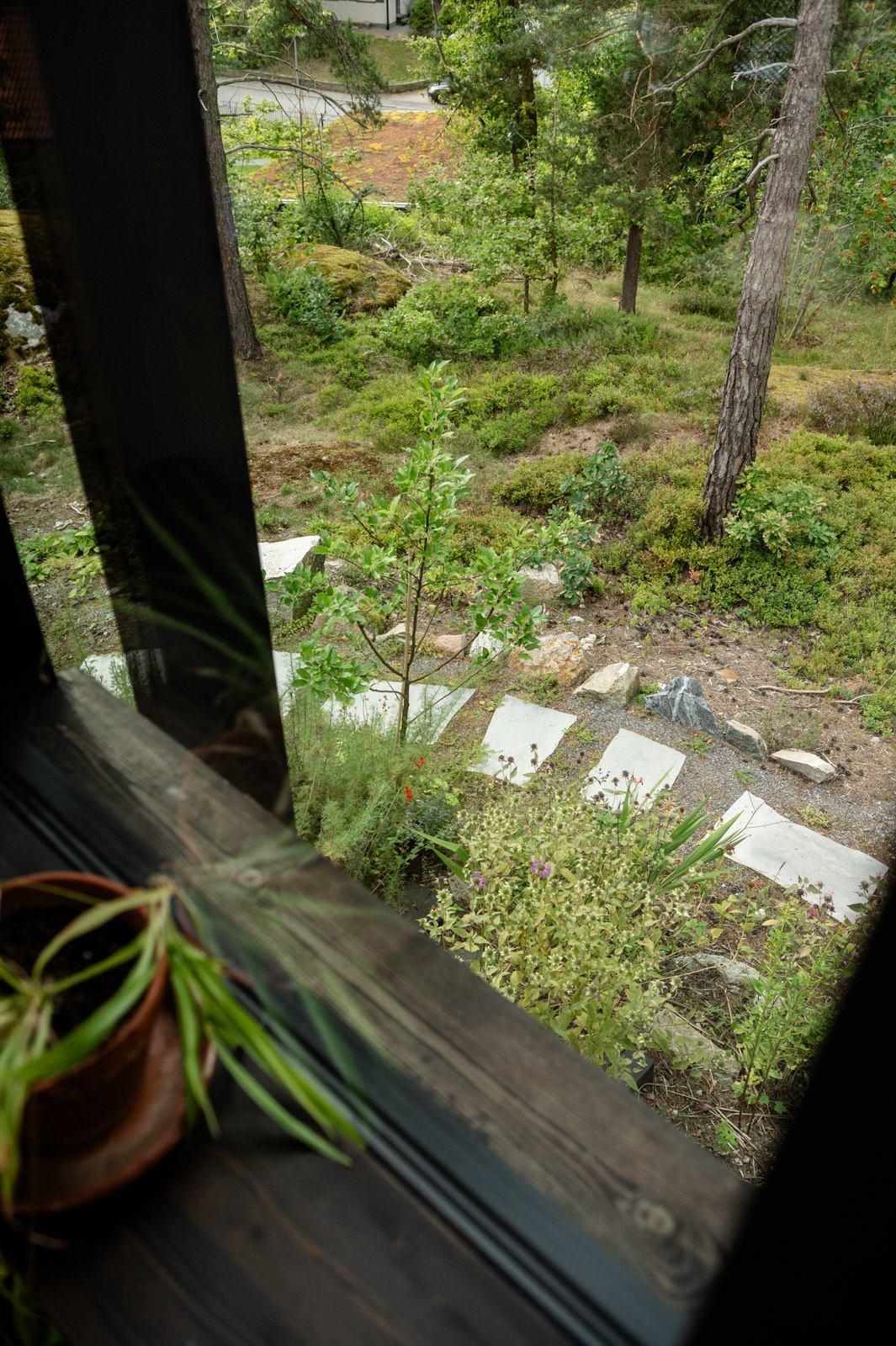
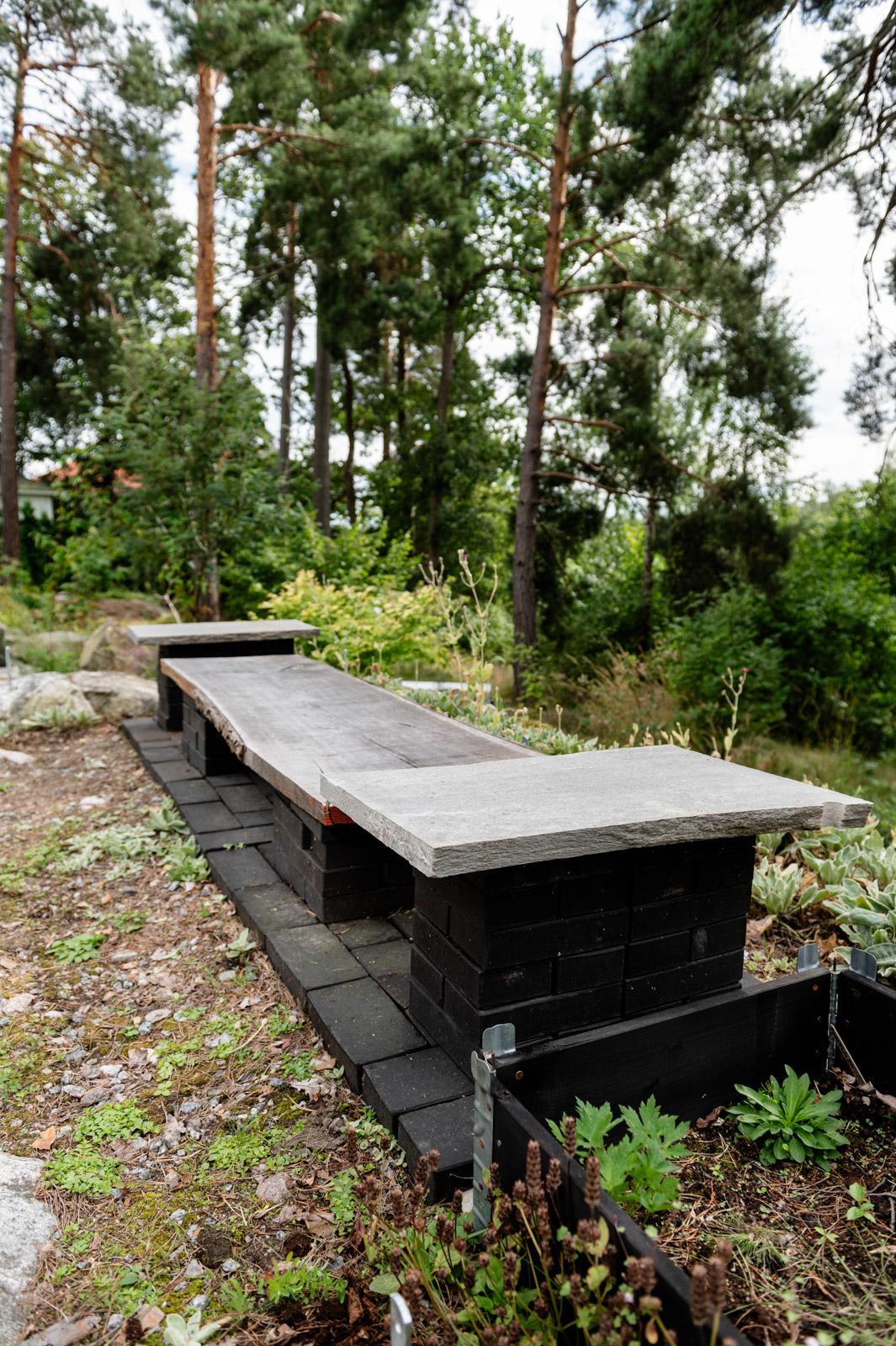
For Julia, the most important thing is not how the garden looks today, but how it works over time.
– The best thing about it is that it’s still alive.
Elements are moved, new ideas emerge, and the garden evolves with changing needs.
– I keep finding new ways to use it.
It creates a different kind of garden – less finished, but more personal.
The garden is not rigid or fully defined. It is allowed to be slightly unpredictable.
– It can be a bit random. A bit imperfect. And that is exactly the quality.
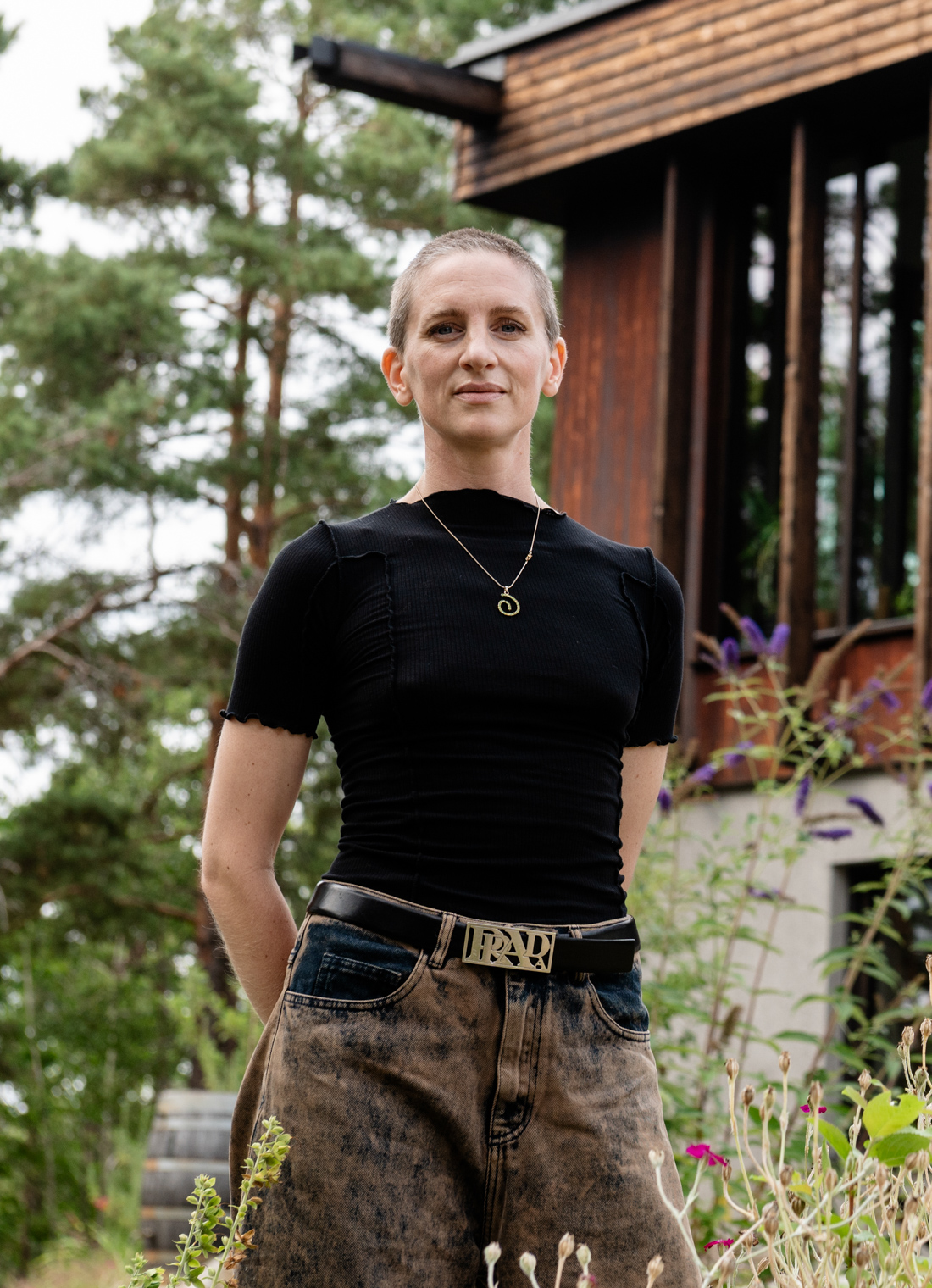
“It shouldn’t be perfect. It should look like it belongs there.”
Julia Eriksson
Julia Eriksson, architect and house owner


We are sorry, but you are using a version of Internet Explorer that is not supported on this site. The browser is no longer updated by Microsoft and may therefore pose a security risk. We recommend that you use a different browser. Welcome back!